

Home / News / Industry News / Single-use Balloon Gastric Tube: Safety, Use & Benefits Guide
Content
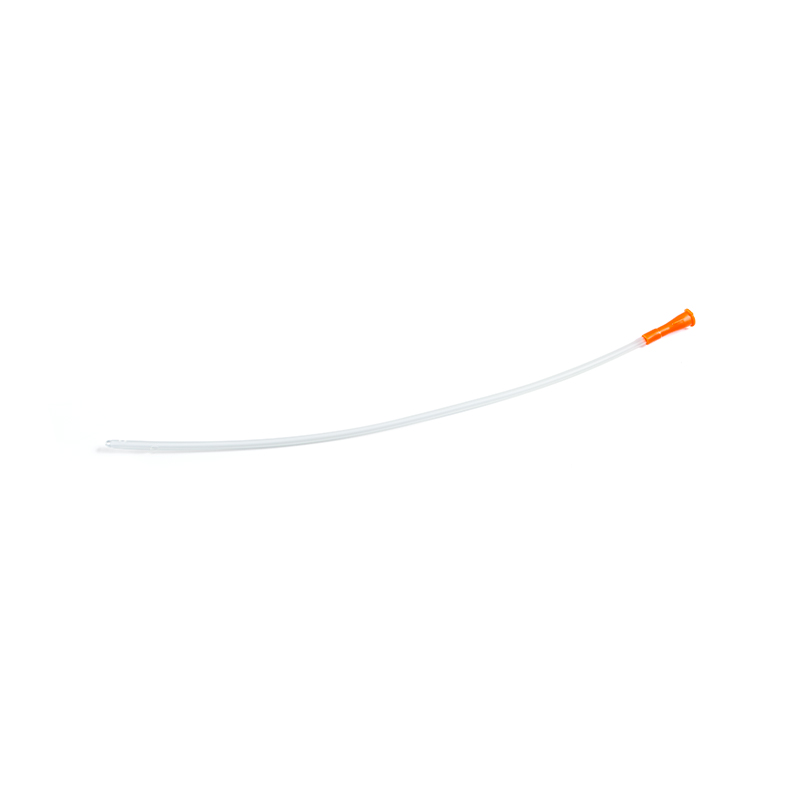
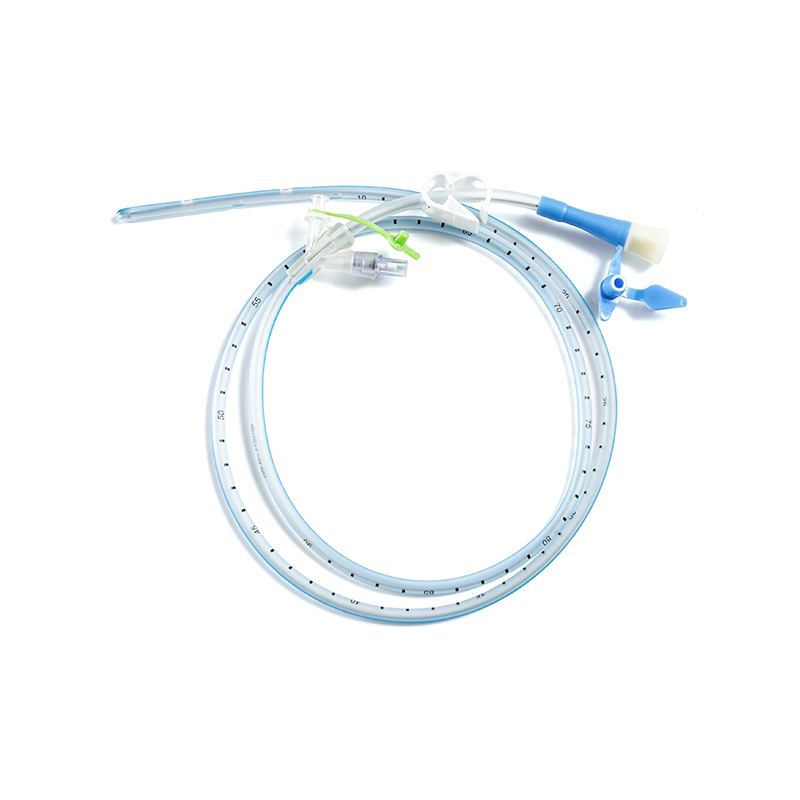
The single-use balloon gastric tube represents a critical advancement in clinical nutrition and patient safety, eliminating the risks associated with cross-contamination and material degradation. By utilizing a sterile, disposable device for each patient, healthcare facilities can reduce hospital-acquired infections by up to 40% compared to reusable systems. These tubes are designed for short-to-medium term enteral feeding or gastric decompression, offering a reliable, cost-effective solution that ensures consistent performance without the need for complex sterilization protocols.
Modern single-use balloon gastric tubes are engineered from high-grade medical materials that prioritize biocompatibility and patient comfort. Understanding these features is essential for selecting the right product for clinical needs.
Most high-quality disposable tubes are made from polyurethane or silicone. Polyurethane offers a thin wall thickness, which allows for a larger internal lumen despite a smaller external diameter. This design reduces trauma to the nasal passage and esophagus during insertion. Silicone options are softer and more flexible, making them ideal for patients with sensitive mucous membranes or those requiring longer-term placement within the disposable timeframe.
Safety during placement is paramount. Single-use tubes typically feature a radiopaque line running along their length, allowing clinicians to verify correct positioning via X-ray. Accurate placement confirmation prevents accidental pulmonary intubation, a serious complication. Additionally, standardized ENFit connectors are now common, preventing misconnection with intravenous lines and ensuring secure attachment to feeding pumps.
While reusable tubes were once standard, the shift toward single-use balloon gastric tubes is driven by compelling clinical and operational benefits.
Reusable tubes require rigorous cleaning and sterilization between patients. Any failure in this process can lead to the transmission of pathogens such as MRSA or C. difficile. Single-use tubes arrive sterile and are discarded after use, completely eliminating the risk of cross-contamination. This is particularly crucial in intensive care units and immunocompromised patient wards.
Repeated sterilization cycles can degrade the material of reusable tubes, leading to stiffness, cracking, or balloon failure. A single-use balloon gastric tube guarantees that every device performs to its original specifications. The integrity of the inflation balloon is critical; a leak can cause the tube to dislodge, requiring painful reinsertion. Disposable tubes ensure consistent balloon strength and valve function for every procedure.
Choosing between different tube types depends on the duration of therapy and patient condition.
| Feature | Single-Use Balloon Tube | Reusable Tube |
|---|---|---|
| Infection Risk | Minimal (Sterile) | Higher (Processing Dependent) |
| Material Integrity | Consistent | Degrades Over Time |
| Preparation Time | Immediate Use | Requires Sterilization |
| Cost Structure | Per-Unit Cost | High Initial + Maintenance |
As shown, single-use tubes offer superior reliability and safety, making them the preferred choice for acute care settings where efficiency and infection control are priorities.
Even with high-quality disposable devices, proper technique is essential for patient safety and comfort.
Before insertion, measure the distance from the tip of the nose to the earlobe and then to the xiphoid process (NEX method) to estimate the required length. Lubricate the tip generously with water-soluble jelly. Insert the tube gently through the nostril, advancing it while the patient swallows if conscious. Once the estimated length is reached, inflate the balloon with the recommended volume of sterile water, usually between 5-10 ml, depending on the manufacturer’s specifications.
Never assume the tube is in the stomach based on external markers alone. Aspirate gastric contents and check pH levels (should be acidic, pH < 5.5) or obtain an X-ray for definitive confirmation. For maintenance, flush the tube with 30ml of warm water before and after each feeding or medication administration to prevent clogging. Since the tube is single-use, replace it immediately if any signs of damage, leakage, or blockage occur.
The shift to single-use medical devices raises questions about waste management. However, the environmental impact must be weighed against the health risks of reusable items.



Product Categories
Contact Us

+86-571-87687066
+86-18106505367

Workshop 1, 1st Floor(Zone B), 3rd Floor; Office Building 3rd&amp;4th Floors, No. 550 Yinhai Street, Baiyang Sub-district, Qiantang District, Hangzhou City, Zhejiang Province, P.R.China
Ready to Begin?
Get in Touch

Now!

sungood

 English
 Español
