Industry Knowledge
How Sampling Swabs Impact Diagnostic Accuracy
The performance of sampling swabs directly influences the reliability of laboratory results. When specimen collection is suboptimal, even the most advanced testing platforms may yield false negatives or inconclusive readings. The design of the sampling head plays a decisive role in this chain of events.
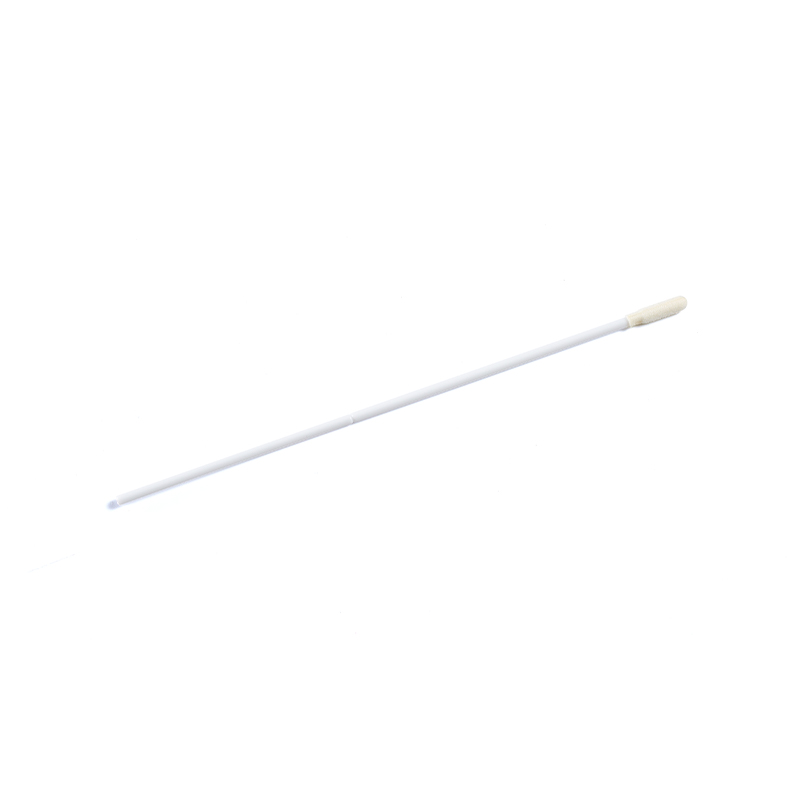
Flocked nylon sampling swabs utilize perpendicular fiber arrays that create a brush-like surface. This architecture increases the surface area in contact with mucosal tissue, capturing up to 35% more cellular material compared to traditional wound fiber designs. The capillary channels between fibers hold the specimen securely during transport while allowing complete elution into liquid media.
Polyester-tipped sampling swabs offer an alternative for applications where fiber shedding must be minimized. Their thermally bonded heads release minimal particulate matter, making them suitable for molecular diagnostics where contaminant-free nucleic acid extraction is critical.
At SUNGOOD, we have observed that laboratories switching to high-retention flocked sampling swabs report fewer repeat collection requests and faster turnaround times. Our manufacturing process ensures consistent fiber density across batches, which translates to reproducible diagnostic workflows.
Key Factors Affecting Specimen Yield
- Fiber orientation and density determine contact area with biological surfaces.
- Swab shaft flexibility must match anatomical depth without causing tissue trauma.
- Breakpoint placement allows safe detachment into transport tubes of varying volumes.
Sterile Packaging and Shelf Stability Considerations
The integrity of sampling swabs extends beyond the product itself to the packaging system. Sterile barrier materials must maintain bioburden control throughout the stated shelf life while remaining easy to open in clinical settings.
Medical-grade paper-film pouches remain the industry standard for individual sampling swab packaging. The breathable Tyvek layer permits ethylene oxide or gamma sterilization penetration, while the transparent film side allows visual inspection of the swab before opening. Peel strength must fall within 1.5–2.5 N to ensure aseptic presentation without tearing.
Humidity is a silent threat to packaged sampling swabs. Excessive moisture can compromise adhesive bonds in flocked heads or promote microbial growth in paper components. Manufacturers typically specify storage conditions of 15–25°C with relative humidity below 60% to preserve product performance.
<<
| Packaging Type |
Sterilization Method |
Typical Shelf Life |
Best Use Case |
| Paper-Film Pouch |
EO or Gamma |
3 years |
General clinical use |
| Blister Pack |
Gamma |
5 years |
Emergency stockpiles |
| Tubed with Medium |
Aseptic fill |
18 months |
Viral transport |
Comparison of common sampling swabs packaging configurations and their stability profiles.
We recommend that procurement teams verify not only the swab specifications but also the packaging validation data. At SUNGOOD, every batch of sampling swabs undergoes accelerated aging studies to confirm that sterility and mechanical properties remain intact through the expiration date.
Anatomical Site Selection and Swab Design Matching
Not all sampling swabs perform equally across anatomical sites. The geometry of the target area, the viscosity of secretions, and the sensitivity of surrounding tissue all dictate which swab design will yield the best specimen.
For nasopharyngeal collection, a flexible shaft with a mini-tip flocked head is preferred. The shaft must navigate the nasal passage without causing epistaxis, while the small head reaches the posterior nasopharynx where viral loads concentrate. Shaft flexibility in the range of 25–35 mm deflection under 50 g load provides the necessary balance between navigation and control.
Oral cavity sampling, including buccal and throat sites, demands a different approach. The swab must absorb saliva while scraping epithelial cells from the mucosal surface. Wider, more absorbent heads with higher fiber density perform better here. The breakpoint should be positioned to allow detachment into standard 2 mL tubes.
Site-Specific Recommendations
<
- Nasopharyngeal: mini-tip flocked, flexible shaft, 80 mm breakpoint.
- Anterior nares: standard flocked tip, semi-rigid shaft, 100 mm breakpoint.
- Oropharyngeal: large foam or flocked head, rigid shaft, 150 mm breakpoint.
- Wound surface: polyester or calcium alginate tip, non-adherent design.
From our experience at SUNGOOD, mismatched swab-site pairings are a leading cause of insufficient specimen volume. We advise clinical teams to maintain a small inventory of multiple sampling swabs configurations rather than relying on a single universal design.
Quality Control Metrics Every Buyer Should Review
When evaluating sampling swabs suppliers, technical datasheets often focus on dimensions and materials while omitting performance metrics that determine real-world utility. Buyers should request specific quality control data before committing to large orders.
The first metric is elution efficiency—the percentage of collected specimen that can be recovered into liquid media. High-quality sampling swabs achieve elution rates exceeding 90%, while inferior products may retain more than half of the sample in the fiber matrix. This directly impacts PCR sensitivity and culture yield.
Fiber retention is equally critical. During collection and processing, loose fibers can detach and interfere with automated liquid handlers or clog microfluidic channels. Acceptable standards specify fewer than 10 visible fibers per swab when tested under 10x magnification after vigorous vortexing.
Cytotoxicity and endotoxin levels must also be documented. Swabs intended for cell culture or molecular applications should carry certificates confirming endotoxin levels below 0.5 EU/mL and passing grades on ISO 10993-5 cytotoxicity testing.
- Request batch-specific COAs rather than generic compliance statements.
- Ask for stability data under both recommended and stressed storage conditions.
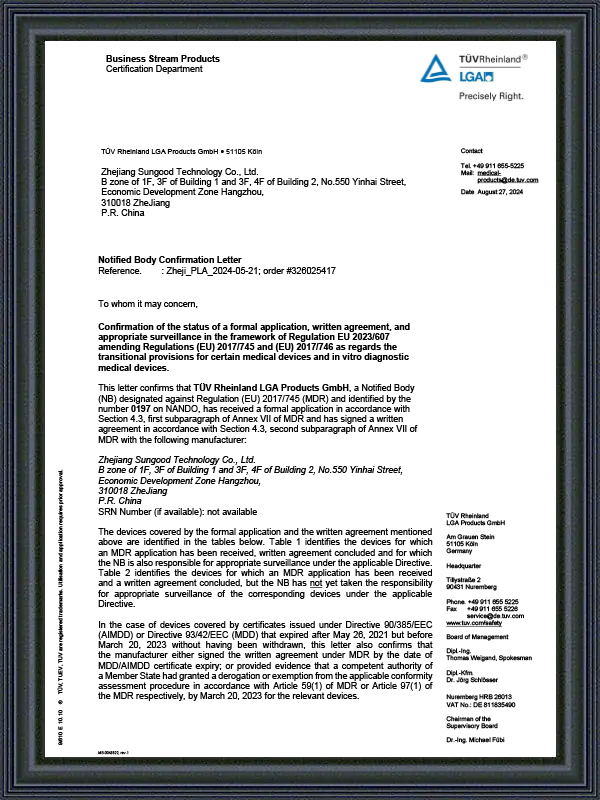
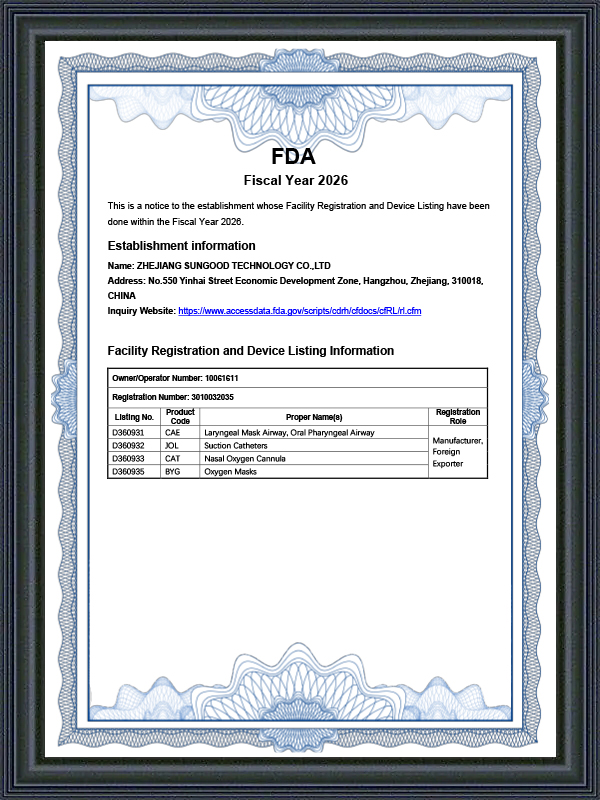
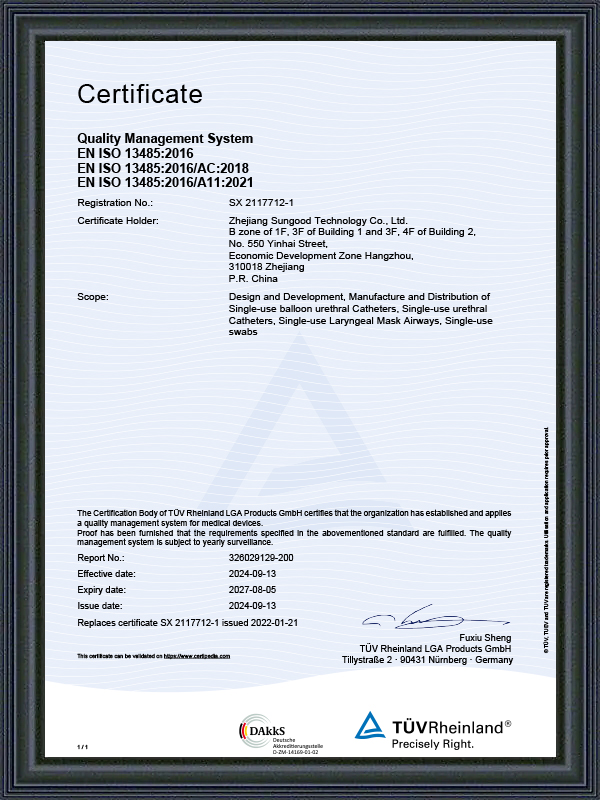
- Verify that the supplier holds ISO 13485 certification and FDA/CE registrations.
At SUNGOOD, we make full QC documentation available to our partners because transparency builds trust. Our sampling swabs are manufactured under ISO 13485 and subjected to 100% visual inspection plus statistical sampling for mechanical and biological performance. We believe that buyers who understand these metrics make better procurement decisions—and ultimately deliver better patient outcomes.

 English
 Español