Industry Knowledge
Cap Color Coding and Additive Matching for Vacuum Blood Collection Tube
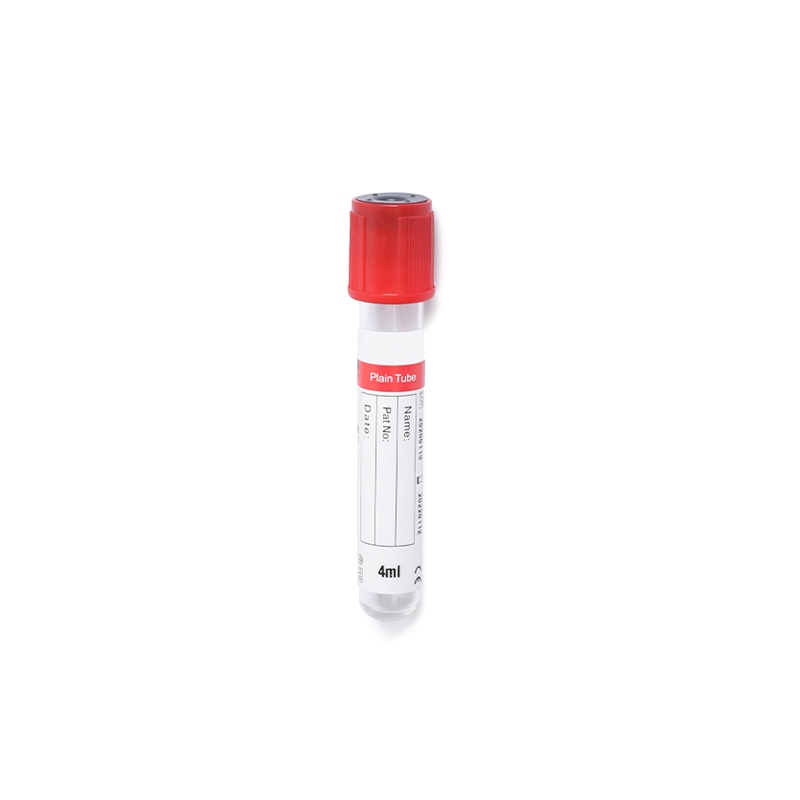
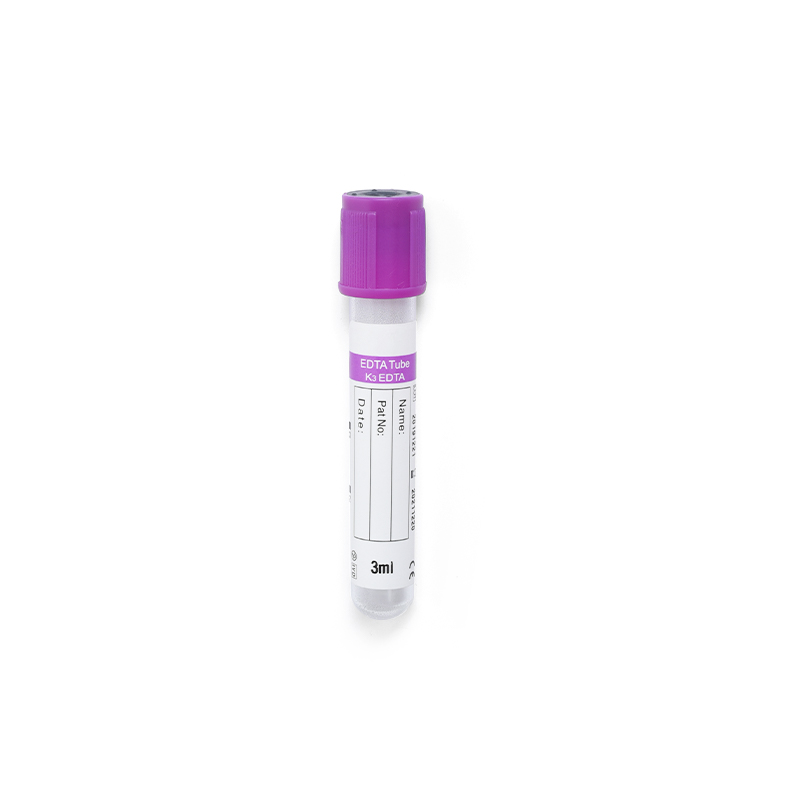
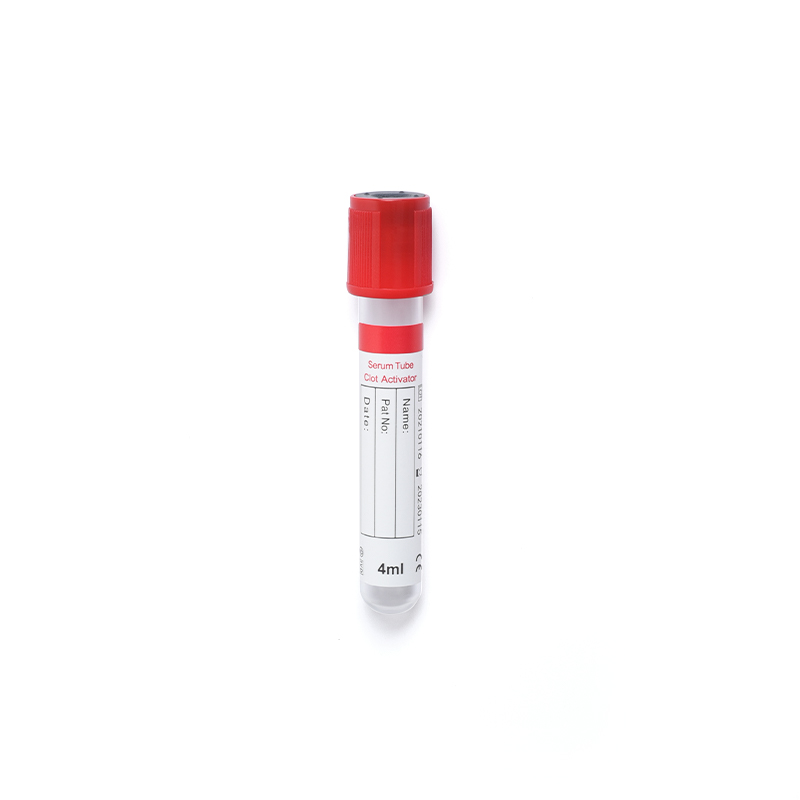
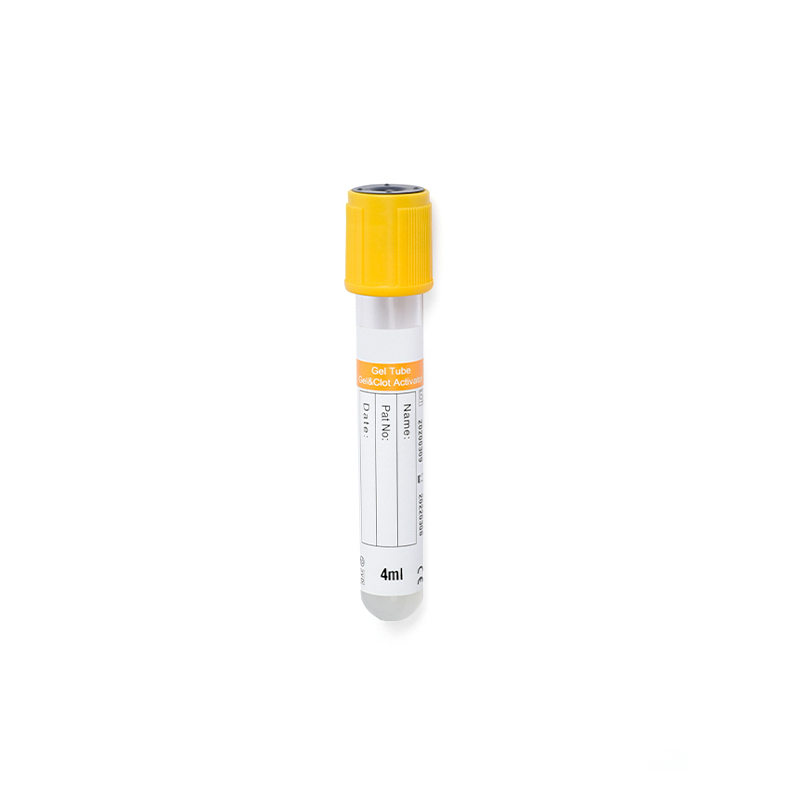
The cap color system for Vacuum Blood Collection Tube is not merely for visual distinction—it directly correlates with the chemical additive inside and the clinical test for which the sample is intended. Misidentification at the point of collection is a leading cause of pre-analytical error, with studies showing that clotted specimens account for approximately 32.23% of all rejected samples in clinical laboratories, often due to incorrect tube selection or inadequate mixing.
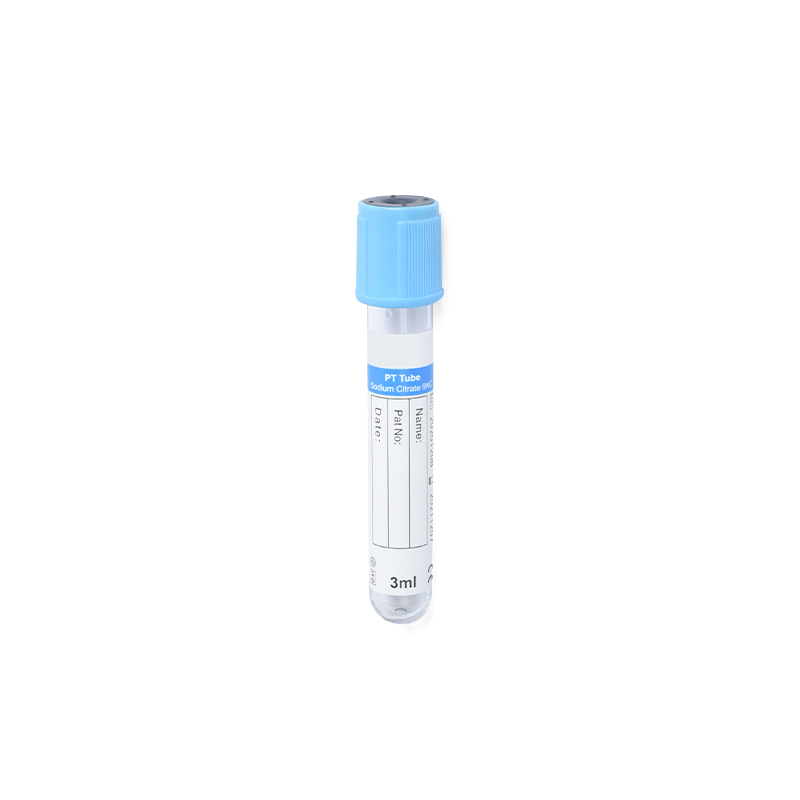
In our daily production at SUNGOOD, we emphasize that the precision of additive dosing must match the exact vacuum draw volume. For instance, light blue-capped tubes used in coagulation studies contain sodium citrate at a concentration of 3.2% (0.109 mol/L), and the blood-to-additive ratio must be strictly maintained at 9:1. Underfilling by even 10% can result in falsely prolonged PT or APTT values, leading to unnecessary clinical interventions.
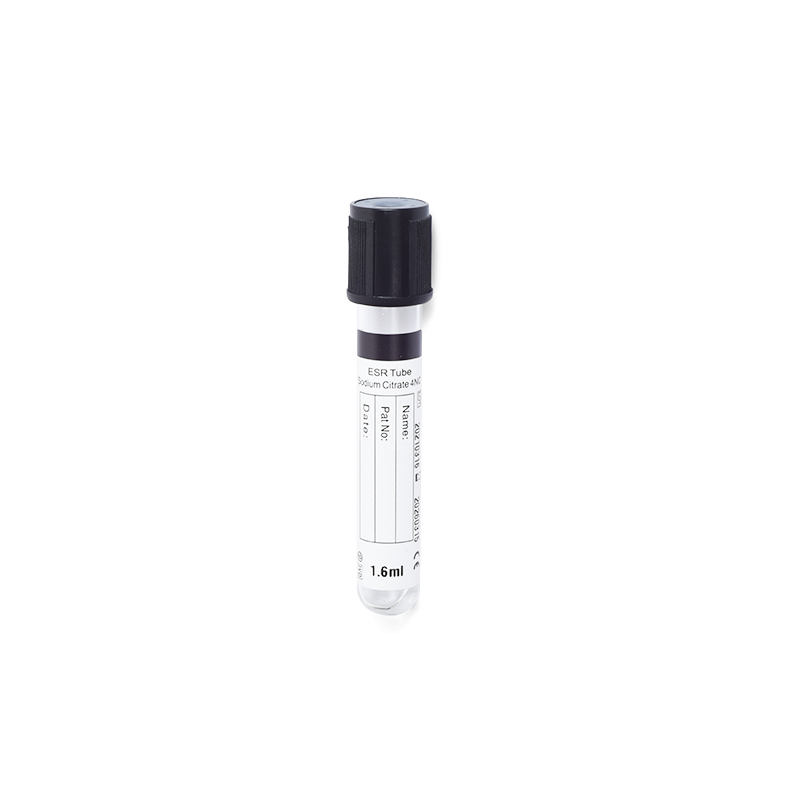
Similarly, black-capped ESR tubes contain sodium citrate at 3.8% (0.129 mol/L), but with a blood-to-additive ratio of 4:1. This difference is critical: using a black-capped tube for coagulation testing—or vice versa—will yield erroneous results. At SUNGOOD, we manufacture both types with distinct vacuum calibrations to prevent such cross-use errors.
| Cap Color |
Additive |
Primary Tests |
Blood:Additive Ratio |
Mixing Requirement |
| Light Blue |
3.2% Sodium Citrate |
PT, APTT, Coagulation Factors |
9:1 |
Invert 3–4 times |
| Black |
3.8% Sodium Citrate |
ESR (Westergren) |
4:1 |
Invert 5–8 times |
| Lavender/Purple |
K2EDTA / K3EDTA |
CBC, HbA1c, Blood Typing |
N/A |
Invert 8–10 times |
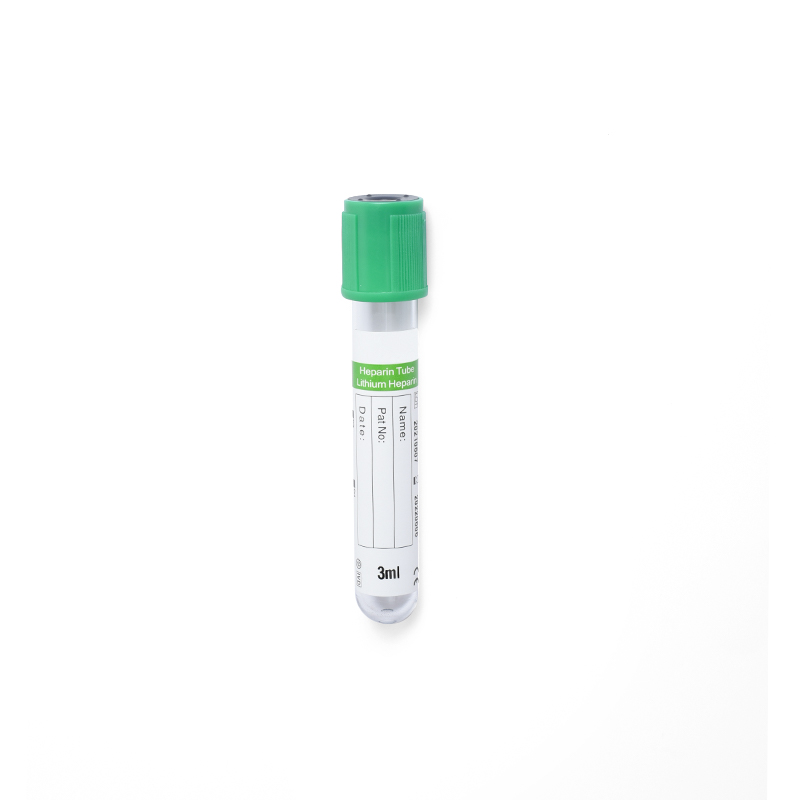
| Green |
Lithium/Sodium Heparin |
Electrolytes, STAT Chemistry |
N/A |
Invert 8–10 times |
| Gold/SST |
Clot Activator + Gel |
Chemistry Panels, Hormones |
N/A |
Invert 5–8 times |
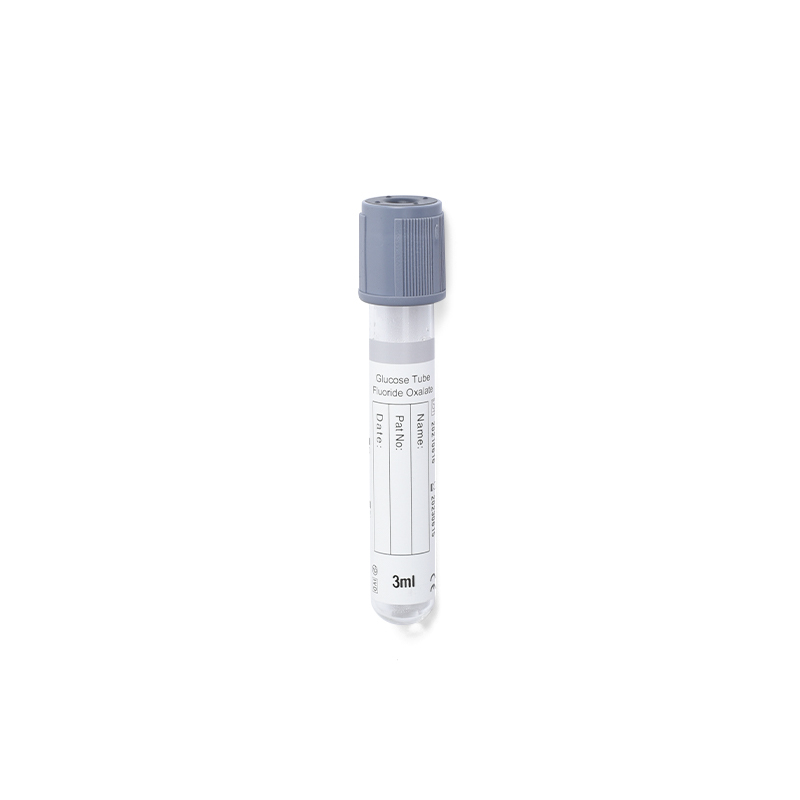
| Gray |
Sodium Fluoride / Oxalate |
Glucose, Lactate, Alcohol |
N/A |
Invert 8 times |
Standard cap color coding and additive specifications for Vacuum Blood Collection Tube used in clinical diagnostics.
When selecting a Vacuum Blood Collection Tube for your laboratory, always verify that the manufacturer provides lot-specific certificates of analysis (CoA) and maintains full traceability from raw materials to finished products. This is particularly important for tubes containing anticoagulants, where concentration deviations as small as 0.1% can alter test outcomes.
Order of Draw: Preventing Cross-Contamination Between Additives
The sequence in which Vacuum Blood Collection Tube are filled during a single venipuncture—known as the "order of draw"—remains one of the most debated yet practically significant topics in phlebotomy. While some studies suggest that modern closed-collection systems minimize carryover risk, meta-analyses confirm that approximately 75% of all analytical mistakes originate in the pre-analytical phase, with additive contamination being a persistent contributor.
The standard order of draw follows this sequence: blood culture bottles first, followed by light blue (citrate), red or gold (serum), green (heparin), lavender (EDTA), and finally gray (fluoride/oxalate). The rationale is straightforward: tubes with no additive or citrate (which chelates calcium) are drawn before tubes containing EDTA or heparin, which could contaminate coagulation studies if carried over via the needle bore or hub.
Practical Evidence and Exceptions
A randomized clinical trial demonstrated that diverting the first 1–2 mL of blood into a discard tube before collecting blood cultures reduced contamination rates from 5.0% to 2.0%—a 60% decrease. This suggests that the initial blood flow carries skin flora that can compromise sterility regardless of surface disinfection.
However, other research indicates that with closed vacuum systems, EDTA carryover into subsequent serum tubes may not be as prevalent as historically assumed. One study found that while 24% of paired samples showed potassium differences exceeding 0.3 mmol/L, no actual EDTA contamination was detected, suggesting that biological variation or hemolysis—not additive carryover—was the primary driver.
At SUNGOOD, we recommend that laboratories continue to follow the standardized order of draw as a risk-mitigation strategy, particularly in high-acuity settings where coagulation results guide critical decisions such as anticoagulant dosing or transfusion protocols. Consistency in protocol reduces cognitive load on phlebotomy staff and ensures reproducible sample integrity across shifts.
Pre-Analytical Error Control: Hemolysis, Clotting, and Volume Accuracy
Even with perfectly manufactured Vacuum Blood Collection Tube, pre-analytical variables at the bedside or collection center can render samples unusable. Hemolysis and clotting represent the two most common rejection causes, with hemolyzed samples interfering with assays for potassium, LDH, AST, and bilirubin, while clotted samples corrupt hematology and coagulation panels.
Root Causes and Corrective Actions
- Hemolysis: Often caused by using alcohol that has not dried for at least 30 seconds, drawing through intravenous catheters (reported hemolysis rate of 29% vs. 1% for straight needle venipuncture), or forcefully transferring blood from syringes into tubes.
- Clotting in anticoagulated tubes: Results from delayed or inadequate mixing. CLSI guidelines recommend gentle inversion 5–10 times immediately after collection; undermixing allows microclots to form, while vigorous shaking induces hemolysis.
- Volume errors: Underfilled citrate tubes alter the 9:1 blood-to-additive ratio, producing falsely elevated clotting times. Overfilling occurs when blood is manually added from a syringe—a practice that should never be performed.
From a manufacturing perspective, vacuum consistency is the first line of defense. At SUNGOOD, our Vacuum Blood Collection Tube undergo vacuum integrity testing with a tolerance of ±5%, ensuring that each tube draws the exact volume required for its additive concentration. We also apply an inner surface silicone coating to reduce shear stress on erythrocytes during collection, directly mitigating hemolysis risk at the source.
Sample Stability and Storage Protocols for Serum and Plasma
Once collected, the stability of analytes within a Vacuum Blood Collection Tube is highly dependent on temperature, time to centrifugation, and whether the sample remains capped. Research demonstrates that open serum or plasma tubes stored at room temperature show clinically significant electrolyte concentration changes within 3 hours due to evaporation, with sodium and chloride rising measurably.
For longer-term storage, freezing at -20°C generally preserves glucose, uric acid, and creatinine more effectively than refrigeration at 2–8°C. However, not all analytes behave predictably: total bilirubin degrades by up to 80.1% after 30 days at -20°C, likely due to photodegradation, while creatinine shows a 22% increase when stored at 2–8°C for the same duration—an effect attributed to evaporation and possible enzymatic activity.
Recommended Storage Parameters
| Analyte Category |
Optimal Storage Temp |
Maximum Stability |
Critical Notes |
| Electrolytes (Na+, K+, Cl-) |
2–8°C, capped |
12–15 hours |
Open tubes unstable after 3 hours at RT |
| Glucose |
-20°C |
30 days |
Refrigeration causes glycolysis; gray tubes with fluoride stabilize for 24 hours |
| Coagulation Factors (PT/APTT) |
18–24°C |
4 hours |
Centrifuge within 1 hour; store plasma separated from cells |
| Bilirubin |
Protected from light, 2–8°C |
4 days |
Freezing causes significant degradation; photo-protection essential |
| ESR Whole Blood |
2–10°C |
72 hours |
Must remain in original black-capped tube; do not centrifuge |
Stability guidelines for samples collected in Vacuum Blood Collection Tube under various storage conditions.
At SUNGOOD, we design our Vacuum Blood Collection Tube with these stability windows in mind. Our serum separator tubes (SST) utilize a thixotropic gel that forms a complete barrier between serum and clot within 30 minutes of centrifugation, maintaining analyte integrity for up to 48 hours when refrigerated. For laboratories operating in high-humidity environments, we also offer tubes with enhanced seal integrity to prevent evaporation during short-term storage.

 English
 Español