

Home / News / Industry News / Signs of Severe Airway Obstruction: What to Recognize
Content
The single clearest sign of severe airway obstruction is the absence of sound. A person with a completely blocked airway cannot cry, speak, cough, or move air at all — there's simply nothing to hear. This is often more alarming to witness than a loud, gasping struggle, because it can look deceptively calm for the first few seconds.
Alongside the silence, most people instinctively clutch their throat with one or both hands. This gesture is recognized clinically and by first-aid organizations as the universal choking sign, and it's often the fastest way a bystander identifies what's happening before any other symptom appears.
Partial obstruction and complete obstruction produce almost opposite acoustic signatures, and the difference comes down to airflow. When an airway is narrowed but not sealed, air still forces its way through a small opening, and that turbulent, high-velocity flow creates the high-pitched sound known as stridor.
Once the airway closes completely, there's no airflow left to generate any sound at all — stridor gives way to silence. That shift from noisy breathing to no breathing at all is itself a warning sign that a partial obstruction has become complete and immediate intervention is needed.
According to a clinical review published through the National Library of Medicine, severe hypoxia from a completely blocked airway can lead to unconsciousness very quickly, which is why recognizing the early signs matters more than waiting to confirm the cause. Details on the full clinical picture are available from the NIH's overview of foreign body airway obstruction.
| Age Group | Common Presentation |
|---|---|
| Infants | Silent cyanosis, weak or absent cough, minimal visible struggle |
| Children | Sudden coughing or gagging that stops abruptly, clutching at the throat |
| Adults | Abrupt coughing during eating, inability to speak, rapid color change |
Infants are the hardest group to read because they rarely show the dramatic struggle adults do — a sudden, unexplained quiet can be the only clue. Adults and older children, by contrast, usually show a clear moment of onset, often mid-meal or mid-conversation.
Bystander response — back blows, abdominal thrusts, or chest compressions depending on age — remains the first line of action outside a hospital. Once a patient reaches a clinical setting, or if the obstruction has a medical cause rather than a foreign object, the response shifts to airway devices matched to severity.
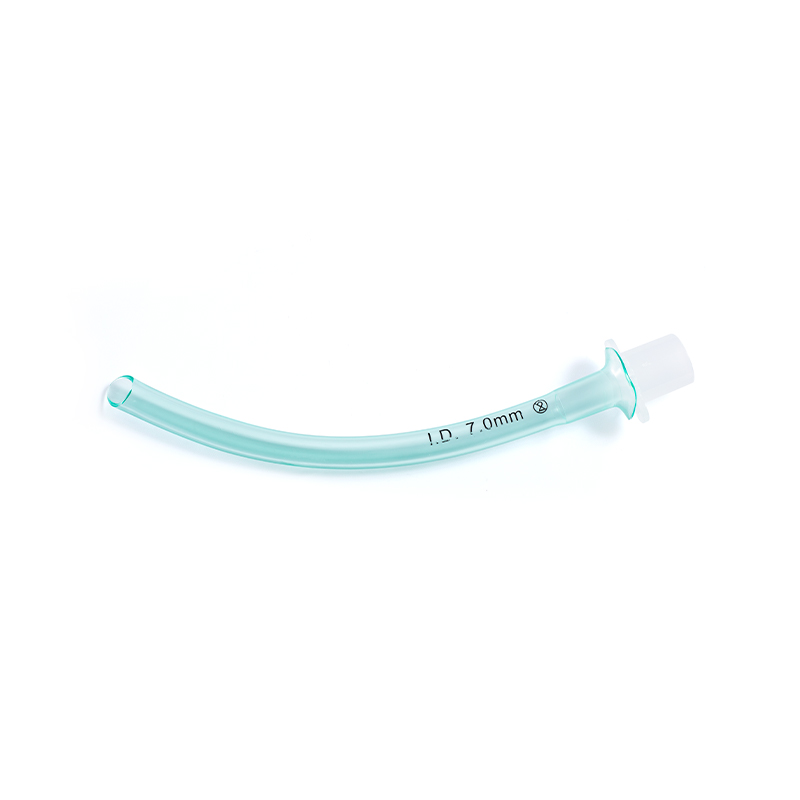
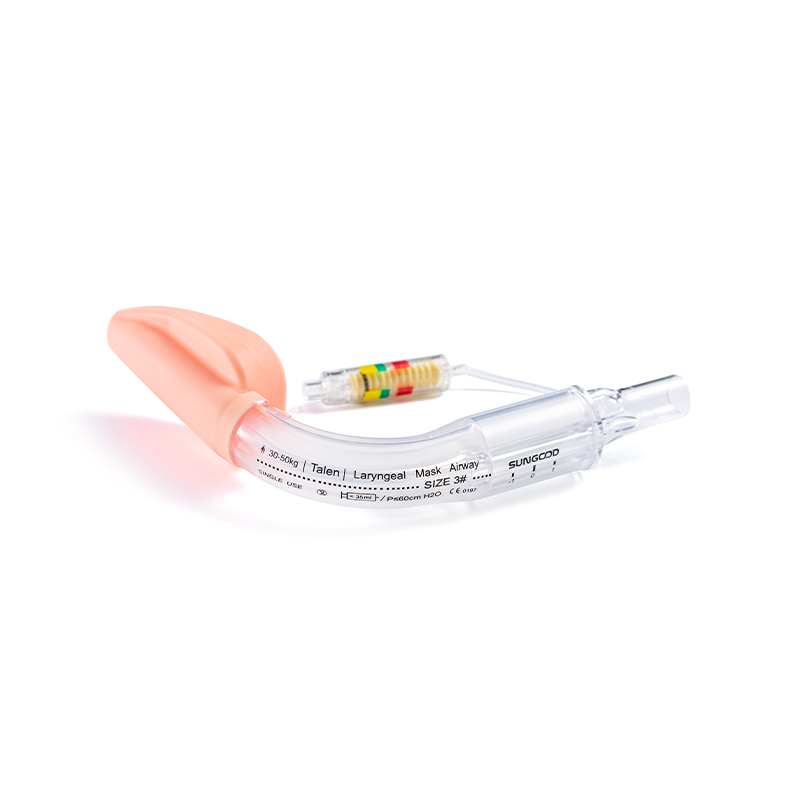
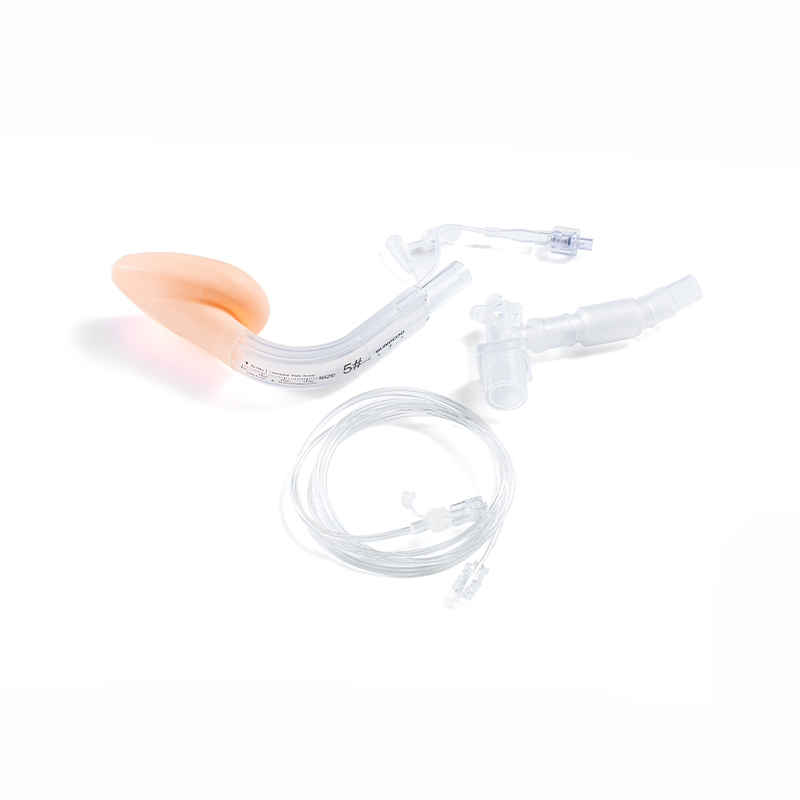
For an unconscious patient whose tongue has fallen back and narrowed the airway, a nasopharyngeal airway to relieve obstruction from tongue retroposition in unconscious patients is often the fastest first step. If bag-mask ventilation alone isn't maintaining adequate oxygenation, teams often move to a laryngeal mask airway as a supraglottic option when bag-mask ventilation alone isn't enough, and for full airway protection or prolonged ventilation, an endotracheal tube for definitive airway protection is the next step up.
Clinical teams building out or restocking an airway cart can review our broader range of airway management devices, and for staff who need a refresher on proper technique, our LMA insertion and sizing guide covers sizing, cuff pressure, and common placement issues in more depth.



Product Categories
Contact Us

+86-571-87687066
+86-18106505367

Workshop 1, 1st Floor(Zone B), 3rd Floor; Office Building 3rd&4th Floors, No. 550 Yinhai Street, Baiyang Sub-district, Qiantang District, Hangzhou City, Zhejiang Province, P.R.China
Ready to Begin?
Get in Touch

Now!

sungood

 English
 Español
