Industry Knowledge
Advanced Verification Techniques for Enteral Feeding Tube Placement
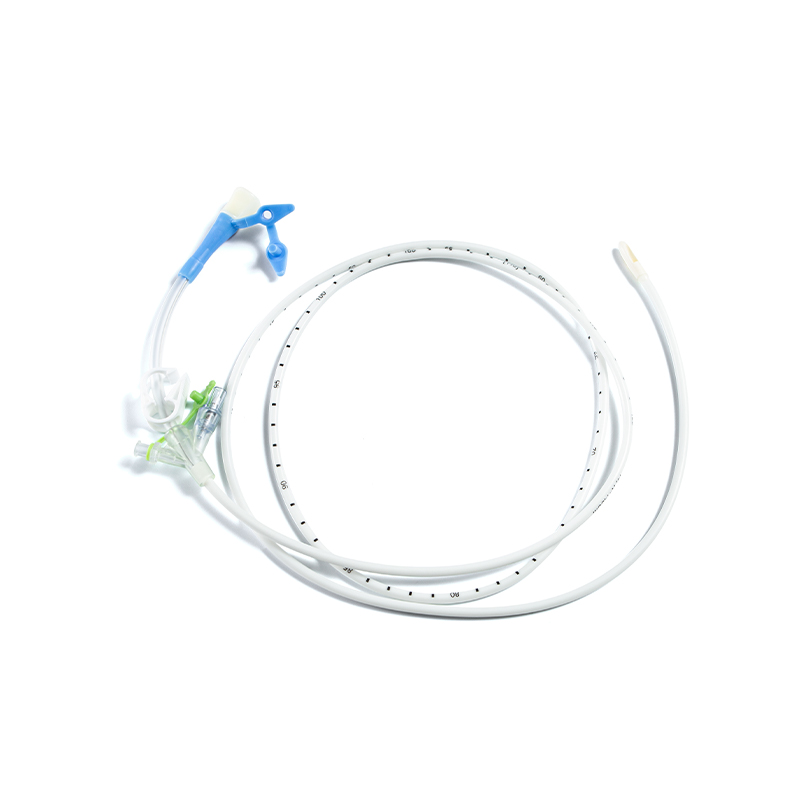
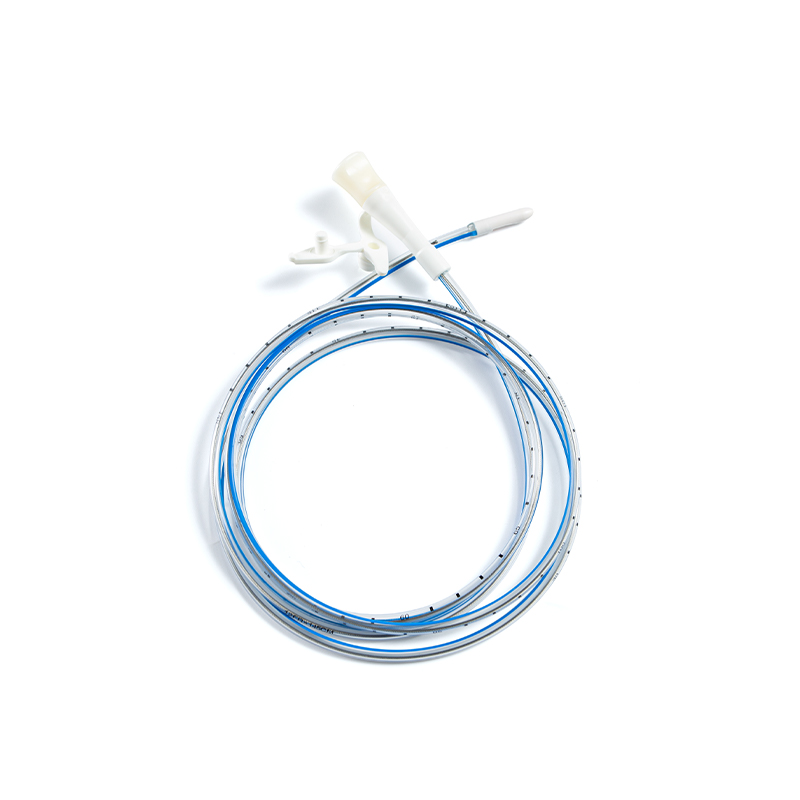
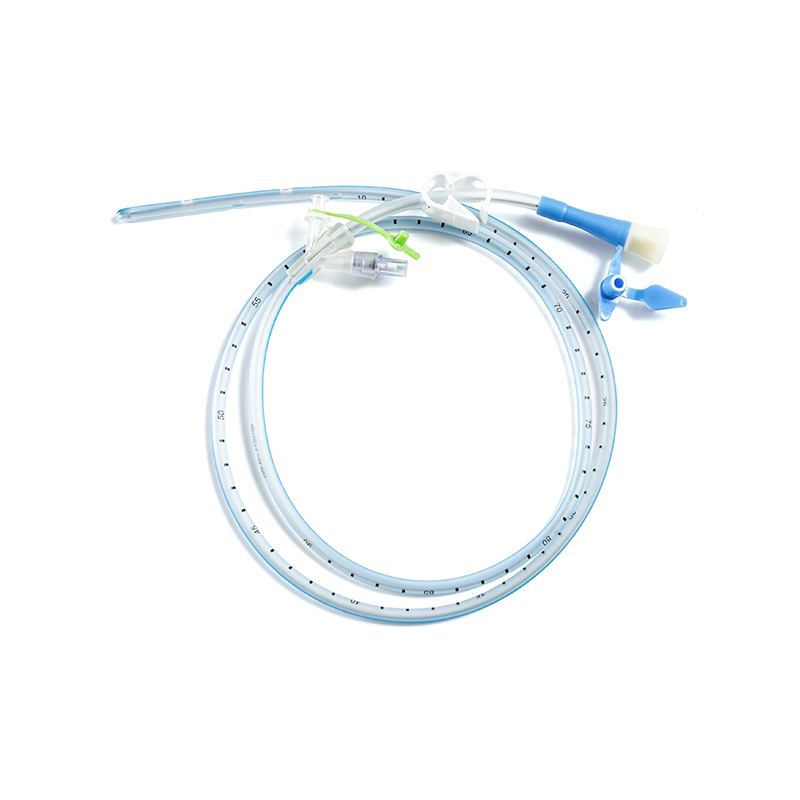
Confirming correct placement of enteral feeding tubes remains a critical safety step in gastrointestinal care, particularly when managing patients with altered anatomy or impaired gag reflexes. While pH testing of aspirate is commonly used, its reliability can be compromised by proton pump inhibitor therapy or continuous enteral feeding. Emerging techniques such as electromagnetic tracking systems and point-of-care ultrasound offer real-time visualization of tube trajectory, significantly reducing the risk of inadvertent pulmonary placement. Zhejiang Sungood Technology Co., Ltd. integrates radiopaque markers and clear depth indicators into our feeding tubes to support these advanced verification methods, reflecting our commitment to innovation in disposable medical catheters for gastroenterology applications.
Clinicians should adopt a multimodal verification approach: initial placement confirmation via X-ray remains the gold standard for blind insertions, while electromagnetic guidance can streamline bedside placements in critical care settings. Additionally, capnography monitoring during insertion provides immediate feedback if the tube enters the tracheobronchial tree, offering an extra layer of safety. As a high-tech enterprise based in Hangzhou and subsidiary of the Shuguang Proprietary Group since 2006, SUNGOOD ensures that every Gastrointestinal Care Device undergoes rigorous quality control to support accurate, safe placement across diverse clinical environments.
Material Innovations Enhancing Biocompatibility in Enteral Nutrition Devices
The evolution of material science has profoundly impacted the design of Gastrointestinal Care Devices, with medical-grade silicone and thermoplastic polyurethane now preferred over traditional PVC for long-term enteral access. Silicone offers superior thermal responsiveness, softening at body temperature to reduce mucosal irritation, while polyurethane provides exceptional kink-resistance and tensile strength for narrow-bore applications. Hydrophilic coatings, a specialty of Zhejiang Sungood Technology Co., Ltd., further enhance patient comfort by minimizing insertion friction and reducing the risk of tissue trauma during both initial placement and routine tube exchanges. These material advancements align with our philosophy of "integrity, cooperation, and mutual success," ensuring that our products support both clinical efficacy and patient dignity.
Biocompatibility extends beyond material selection to surface engineering that resists biofilm formation and bacterial colonization. Advanced manufacturing techniques enable uniform coating distribution and precise lumen geometry, which facilitate consistent formula delivery and simplify flushing protocols. As China LMA Manufacturers expanding expertise into comprehensive gastrointestinal solutions, SUNGOOD invests in R&D to refine material properties that balance flexibility, durability, and infection resistance—critical factors for devices used in urology, gastroenterology, and respiratory care settings where cross-contamination risks must be minimized.
Clinical Decision Framework for Selecting Enteral Access Routes
Choosing the appropriate enteral access route requires careful consideration of patient physiology, anticipated duration of support, and risk factors for complications. Nasogastric tubes offer rapid, non-invasive access for short-term nutrition but carry higher risks of displacement and sinusitis. Nasojejunal tubes bypass gastric emptying issues but require specialized placement techniques. Percutaneous endoscopic gastrostomy (PEG) and jejunostomy (PEJ) devices provide stable long-term access yet involve procedural risks and require meticulous site care. Zhejiang Sungood Technology Co., Ltd. supports clinicians across this spectrum by manufacturing a comprehensive range of feeding tubes designed for specific anatomical and procedural requirements, ensuring that every Gastrointestinal Care Device meets the demands of modern anesthesiology and respiratory care protocols.
The following table summarizes key selection criteria to guide clinical decision-making:
| Access Route |
Ideal Duration |
Key Indications |
Primary Considerations |
| Nasogastric (NG) |
< 4-6 weeks |
Acute dysphagia, post-operative nutrition |
Risk of aspiration, sinusitis, displacement |
| Nasojejunal (NJ) |
< 4-6 weeks |
Gastroparesis, high aspiration risk |
Requires fluoroscopic/endoscopic placement |
| PEG |
> 4-6 weeks |
Chronic neurological impairment, head/neck cancer |
Procedural risks, site infection, tube care |
| PEJ |
> 4-6 weeks |
Severe GERD, recurrent aspiration with PEG |
Higher occlusion risk, specialized formula requirements |
Infection Prevention Protocols for Long-Term Gastrointestinal Device Management
Maintaining sterility and preventing biofilm formation are paramount in long-term management of Gastrointestinal Care Devices. Evidence-based protocols emphasize regular flushing with sterile water before and after medication administration, scheduled tube replacement per manufacturer guidelines, and meticulous peristomal skin care for PEG/PEJ sites. Zhejiang Sungood Technology Co., Ltd. manufactures all feeding tubes in ISO-certified cleanroom environments, ensuring each unit meets stringent sterility assurance levels. Our hydrophilic coated catheters further reduce bacterial adhesion potential, supporting infection control efforts in gastroenterology and critical care settings where vulnerable patients require extended nutritional support.
- Flush enteral tubes with 30 mL sterile water before and after each medication dose to prevent occlusion and drug-nutrient interactions.
- Inspect peristomal sites daily for erythema, drainage, or granulation tissue; document findings and intervene promptly to prevent cellulitis or abscess formation.
- Replace feeding administration sets every 24 hours and formula containers every 4-8 hours to minimize bacterial proliferation risks.
- Educate caregivers on proper hand hygiene, aseptic technique, and emergency troubleshooting to ensure continuity of safe care beyond the clinical setting.
By integrating these evidence-based practices with high-quality disposable medical catheters from trusted sources like Zhejiang Sungood Technology Co., Ltd., healthcare facilities can enhance outcomes across gastroenterology, anesthesiology, and respiratory care. Our commitment to continuous innovation ensures that every Gastrointestinal Care Device we produce supports clinicians in delivering safe, effective, and compassionate patient care worldwide, fostering collaboration with partners to create a promising future together.

 English
 Español