
Home / News / Industry News / A in CAB Stands for Airway: CPR Sequence & Airway Devices Explained
Content
In the CAB sequence used for CPR, A stands for Airway. The full sequence runs Circulation, Airway, Breathing — chest compressions first, then opening the airway, then rescue breaths. This replaced the older ABC order (Airway, Breathing, Circulation), which put airway management before compressions.
The change matters because it changes what a rescuer does first when someone collapses. Under CAB, compressions start immediately to get blood moving. Only after 30 compressions does the rescuer pause to open the airway and deliver two breaths, following a 30:2 ratio for a single rescuer.
The American Heart Association shifted its CPR sequence from ABC to CAB in 2010, and the reasoning came down to timing. Under the old ABC model, rescuers often lost precious seconds trying to open an airway and deliver breaths before starting compressions — and in cardiac arrest, blood flow to the brain and heart is the most urgent priority. The AHA's guidelines note that most cardiac arrests occur in adults, where chest compressions are the single most critical intervention for survival, and that airway-focused delays discouraged bystanders from acting at all.
Starting with compressions doesn't mean airway management is optional — it just moves to second in line. Delaying it by roughly 20 seconds, the time it takes to complete the first set of compressions, turned out to matter far less than getting blood circulating without hesitation.
Once compressions are underway, opening the airway is a fast, physical step. The standard method is the head-tilt, chin-lift maneuver: tilt the head back gently while lifting the chin forward, which pulls the tongue away from the back of the throat and clears the path for air. If a spinal injury is suspected, rescuers use the jaw-thrust maneuver instead, which avoids moving the neck.
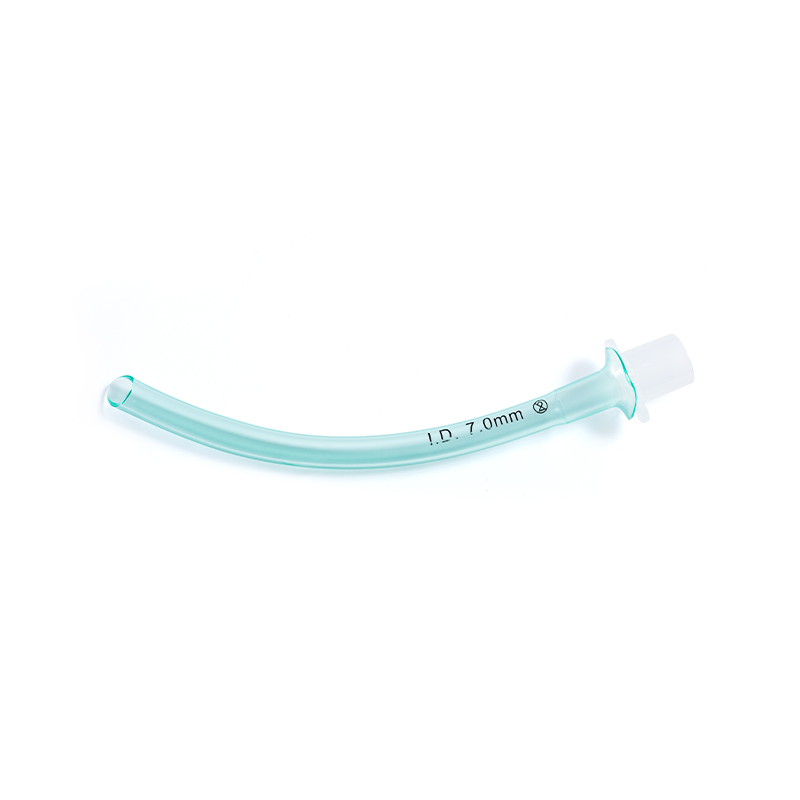
These bare-hands techniques work for most emergency situations, but they don't hold the airway open indefinitely — a rescuer has to maintain the position through every cycle of compressions and breaths. In clinical settings where a patient needs airway support over a longer stretch, a soft, disposable nasopharyngeal airway used to maintain patency in spontaneously breathing patients takes over that job without requiring continuous manual positioning.
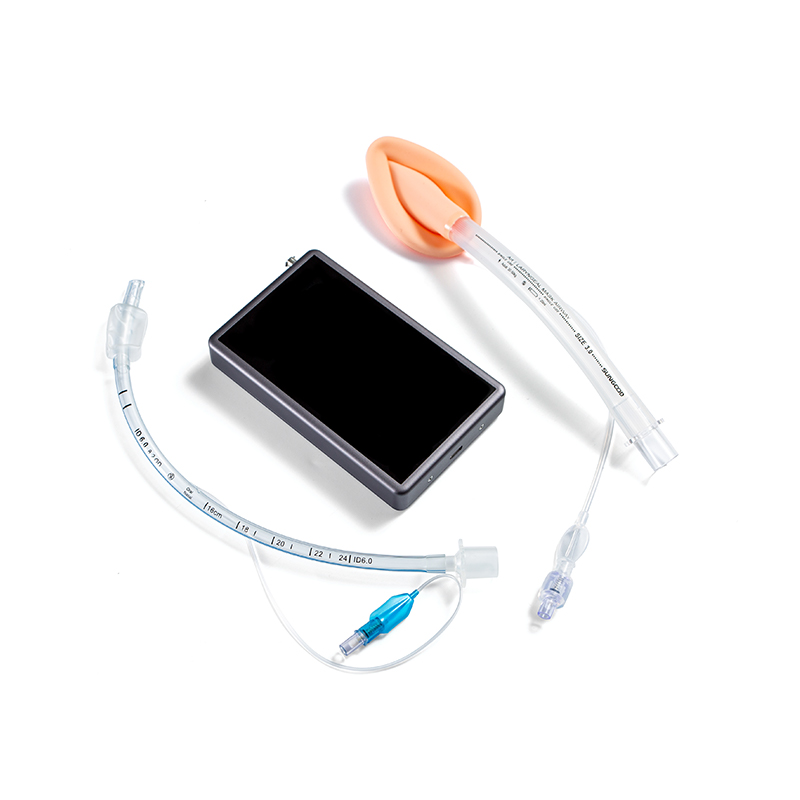
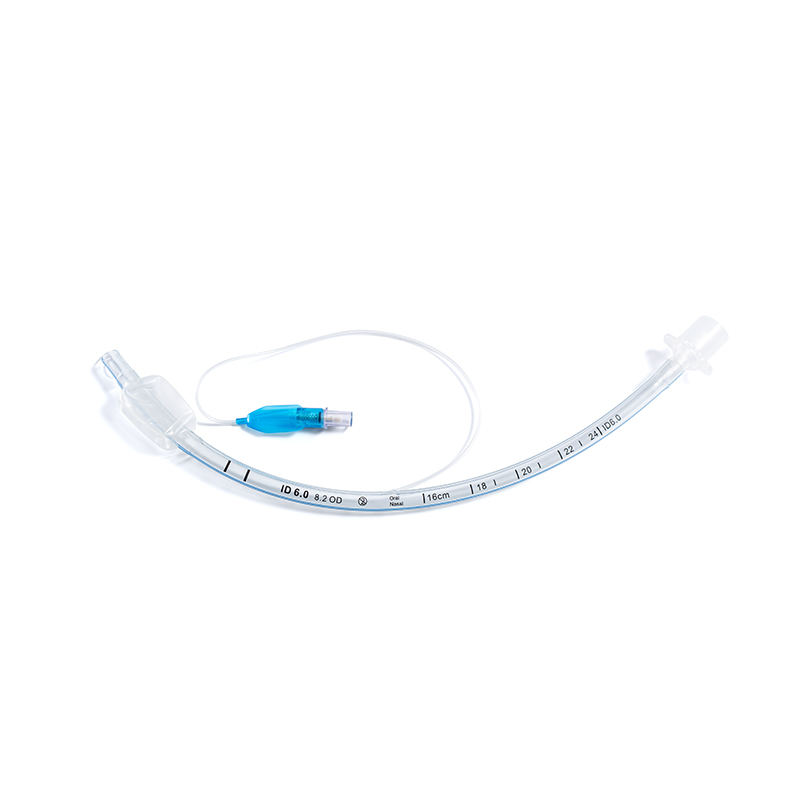
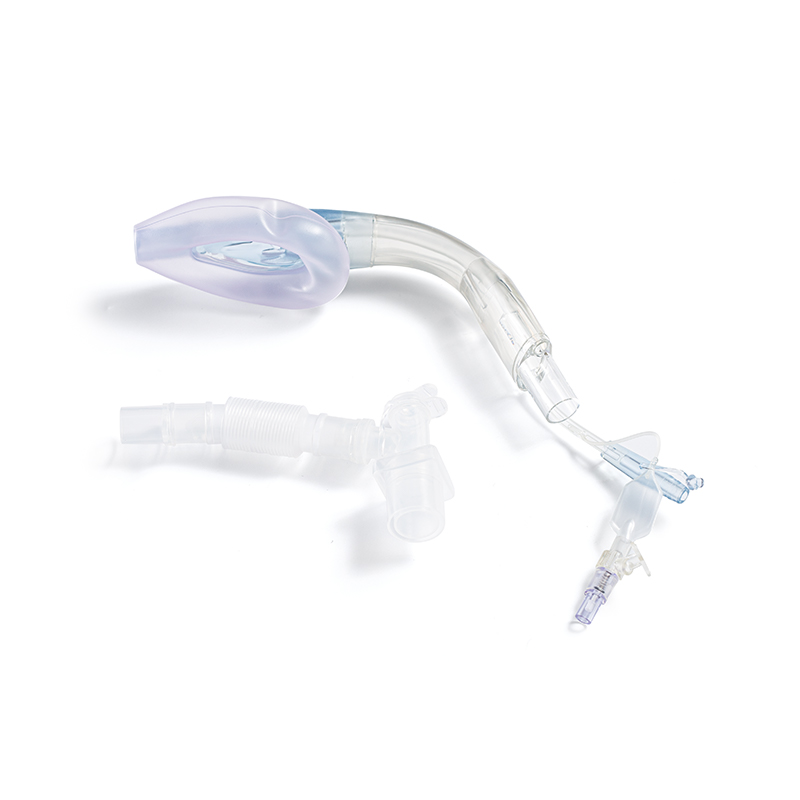
Bystander CPR relies on manual airway techniques because they require no equipment and can be performed by anyone. But in hospitals, ambulances, and operating rooms, airway management often needs to go further than tilting a head back.
The choice between these depends on how long the airway needs support, how invasive the intervention can be, and whether the patient is breathing spontaneously or needs full ventilatory control.
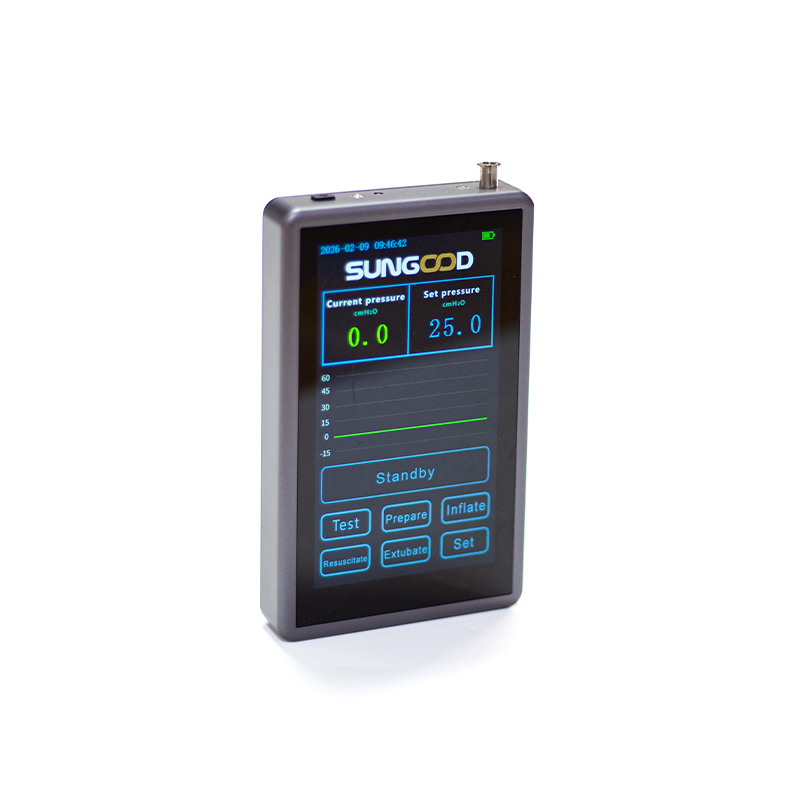
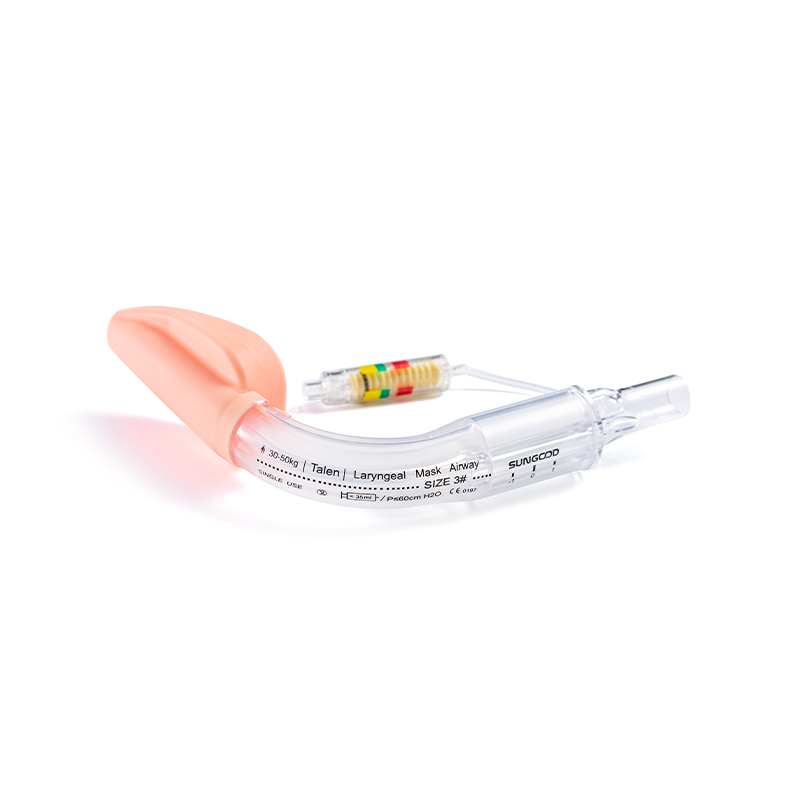
Airway devices don't operate in isolation — proper use includes monitoring, not just insertion. Overinflating or underinflating a cuffed airway device can cause tissue damage or an air leak, which is why a cuff pressure monitoring system that helps prevent under- or over-inflation during airway management has become standard equipment alongside laryngeal masks and endotracheal tubes in many facilities.
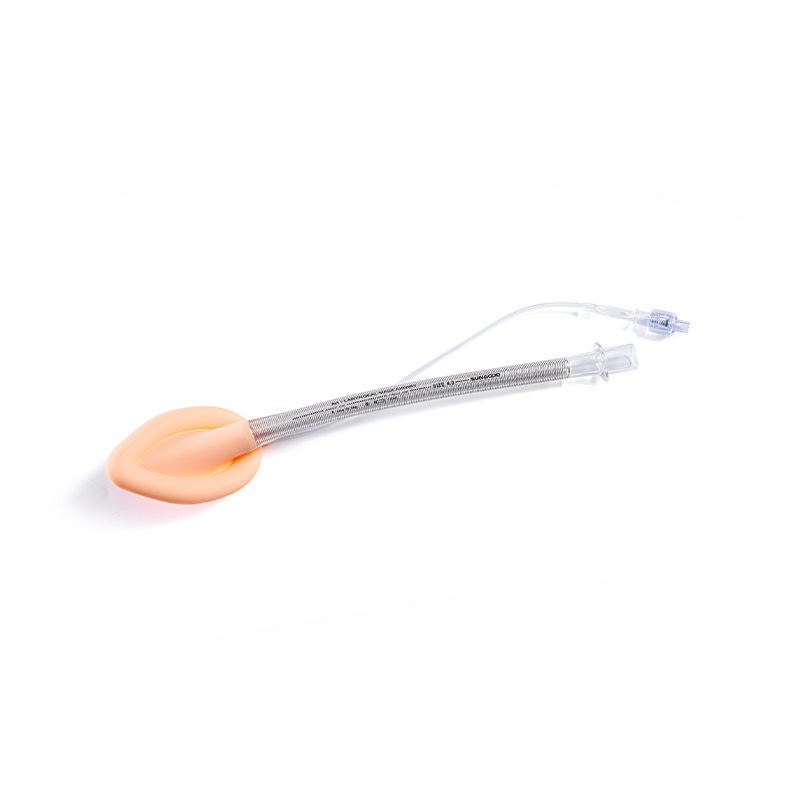
For teams evaluating laryngeal mask airway options specifically, sizing and insertion technique affect both first-attempt success and patient comfort. our detailed guide on laryngeal mask airway insertion and sizing covers the practical decisions that come after the device itself has been chosen.
Product Categories
Contact Us

+86-571-87687066
+86-18106505367

Workshop 1, 1st Floor(Zone B), 3rd Floor; Office Building 3rd&4th Floors, No. 550 Yinhai Street, Baiyang Sub-district, Qiantang District, Hangzhou City, Zhejiang Province, P.R.China
Ready to Begin?
Get in Touch

Now!

sungood

 English
 Español