
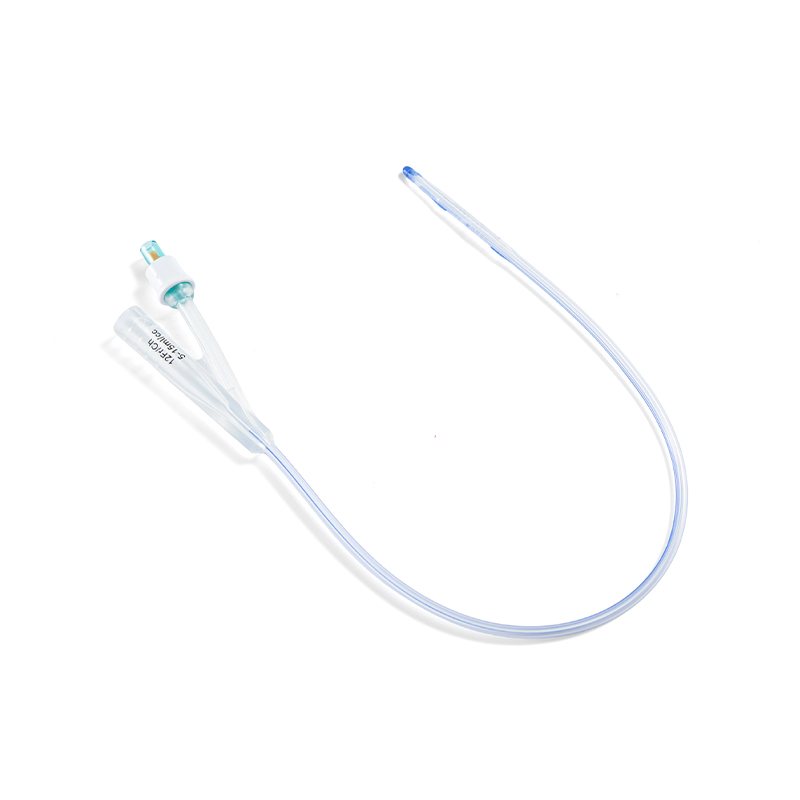


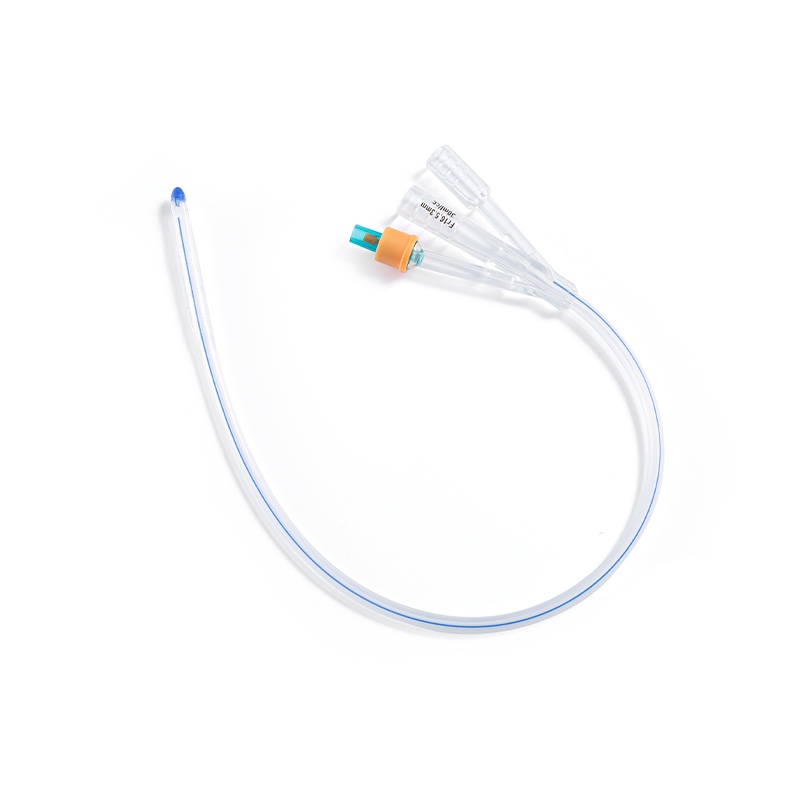
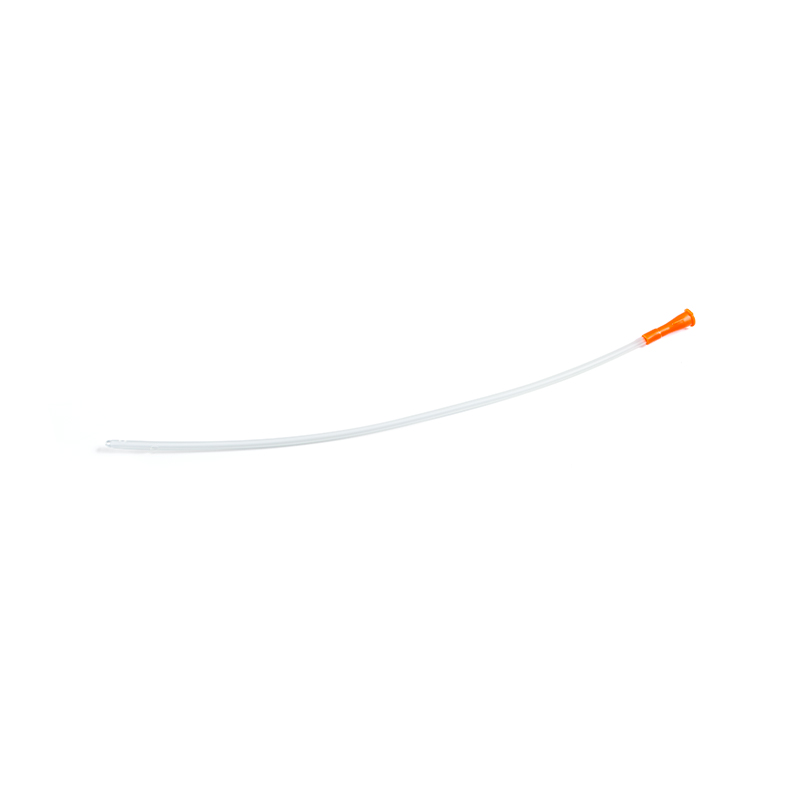
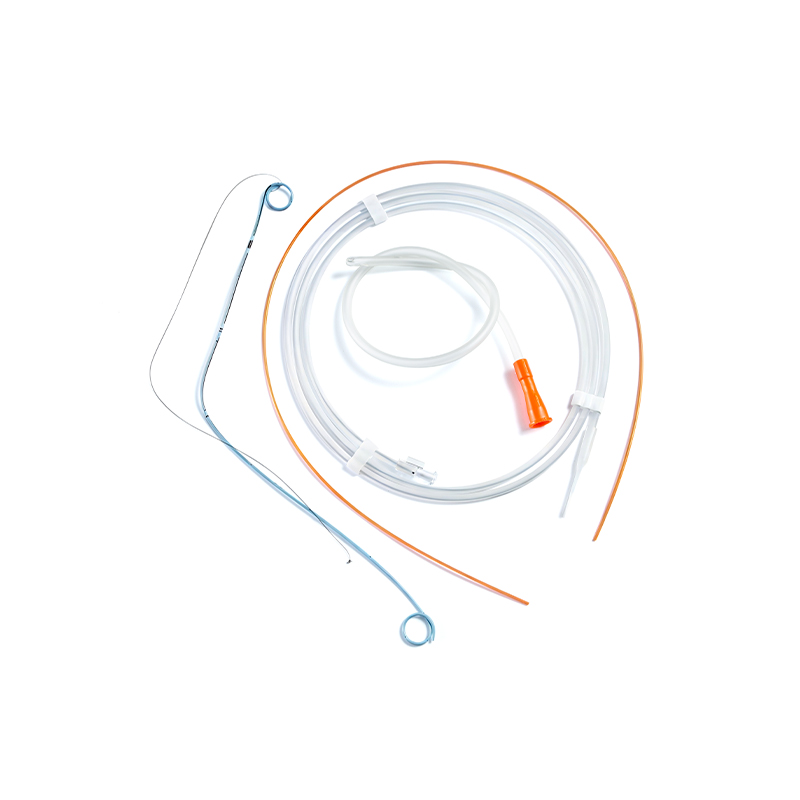
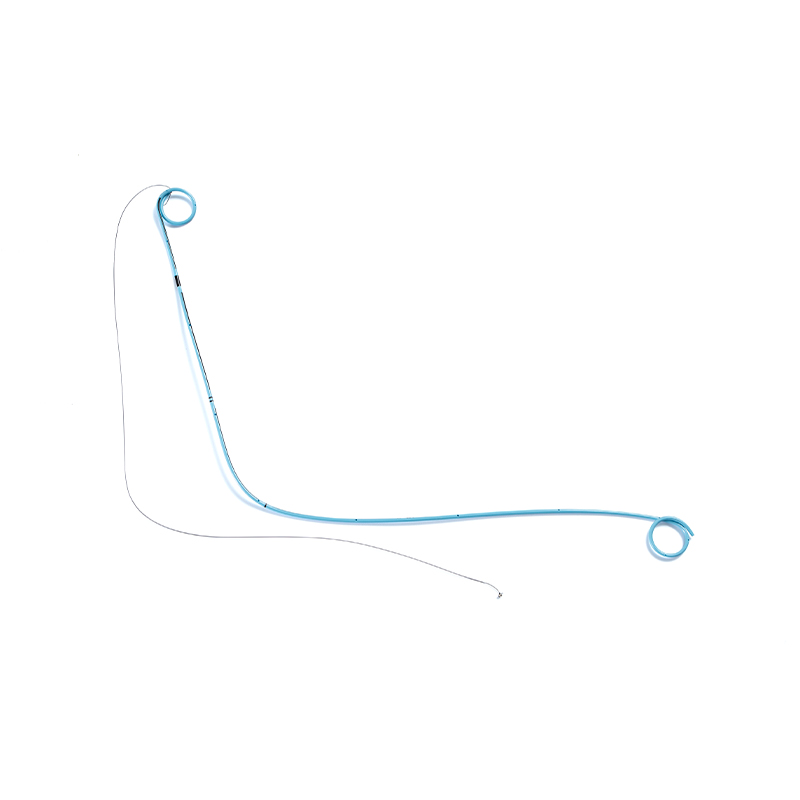
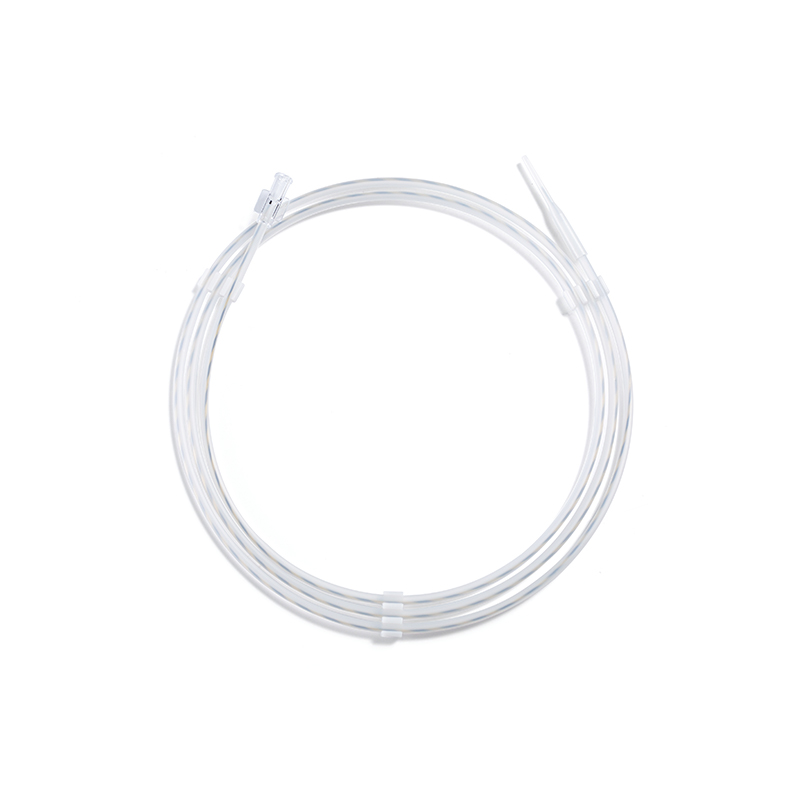
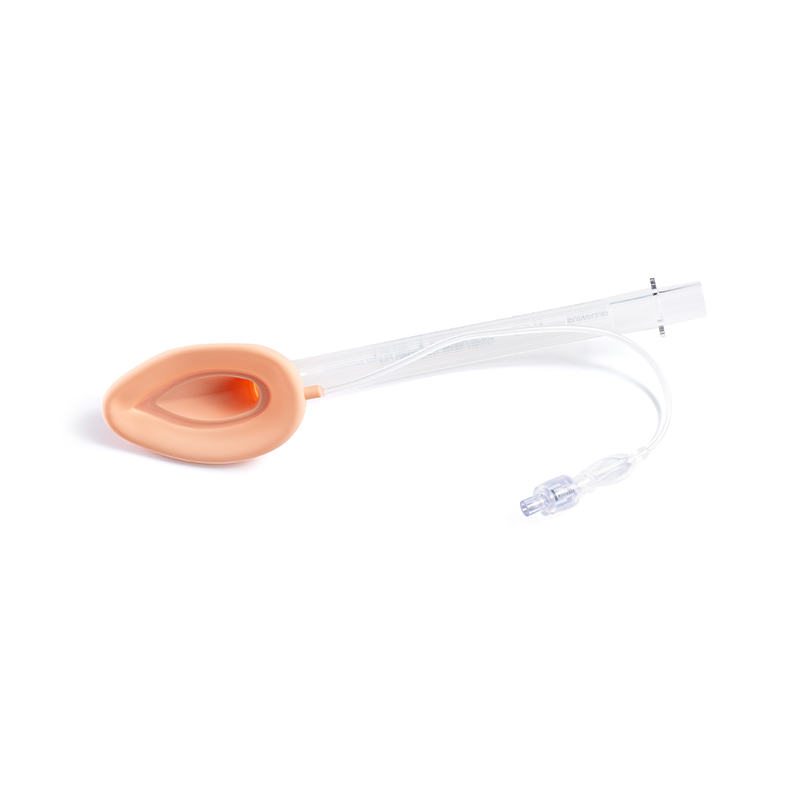
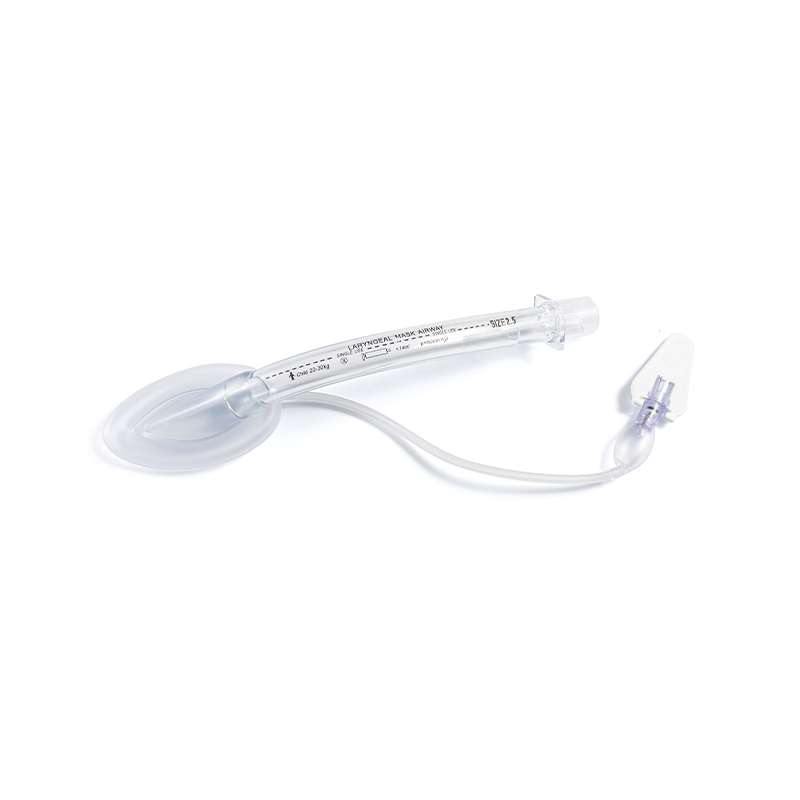
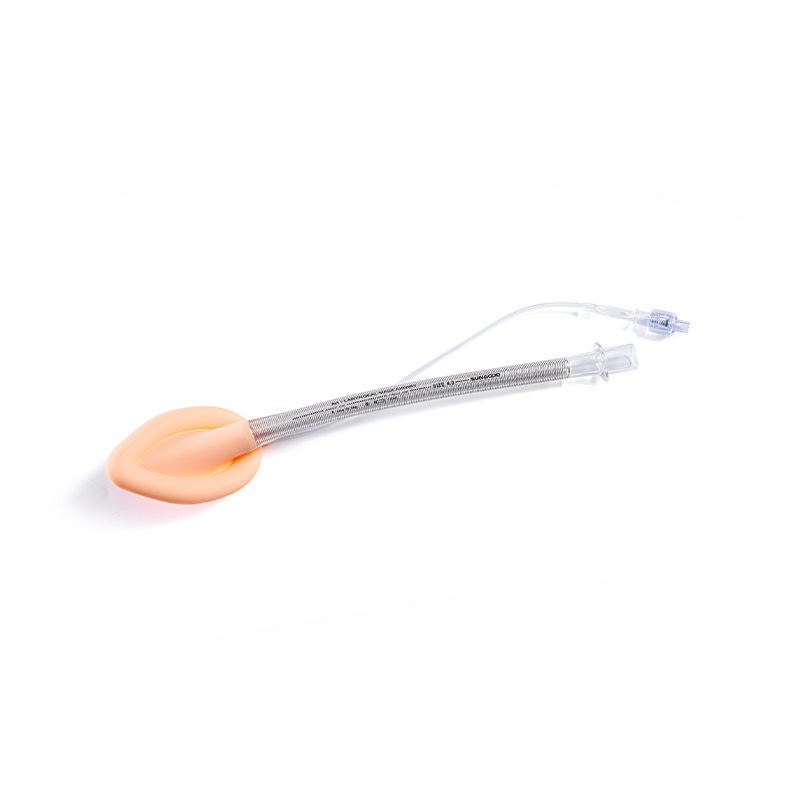
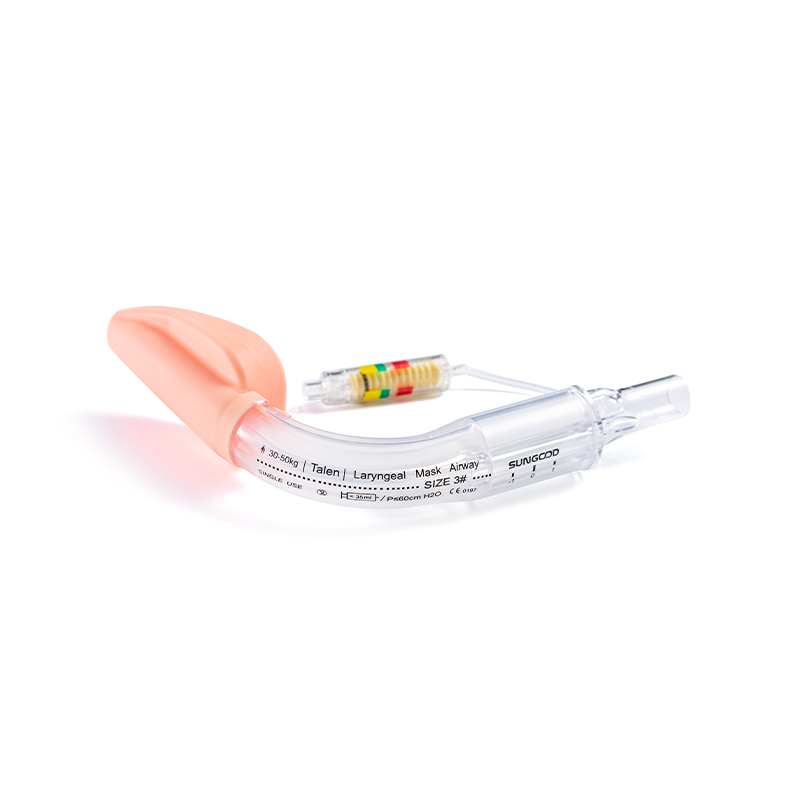
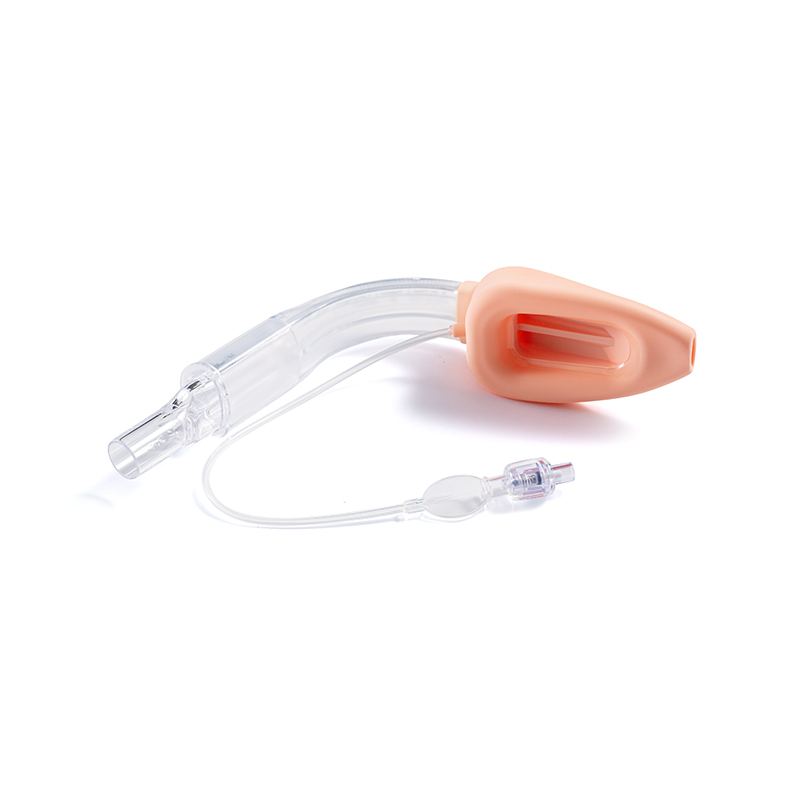
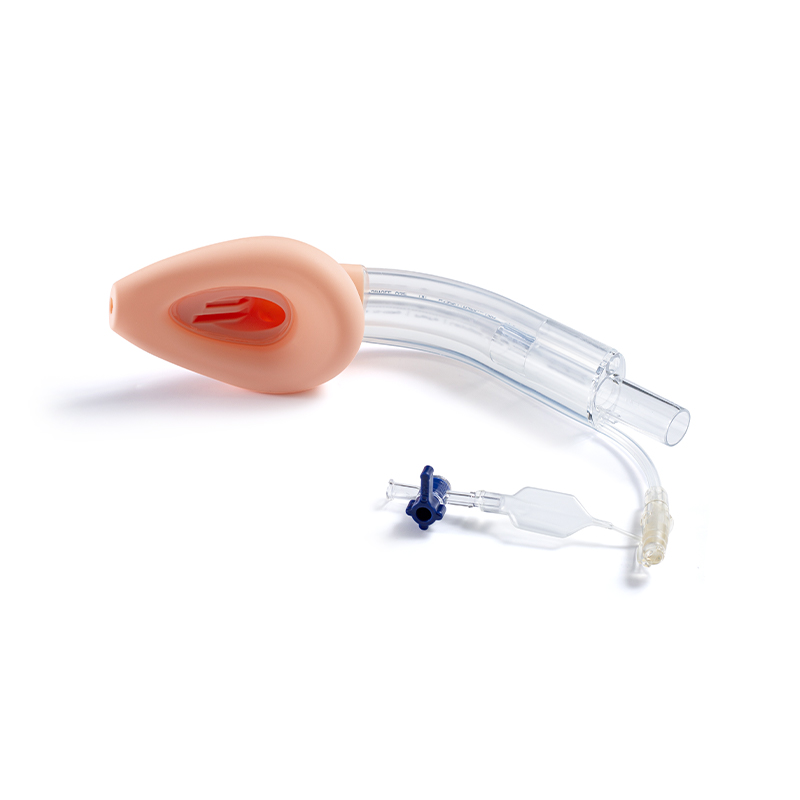
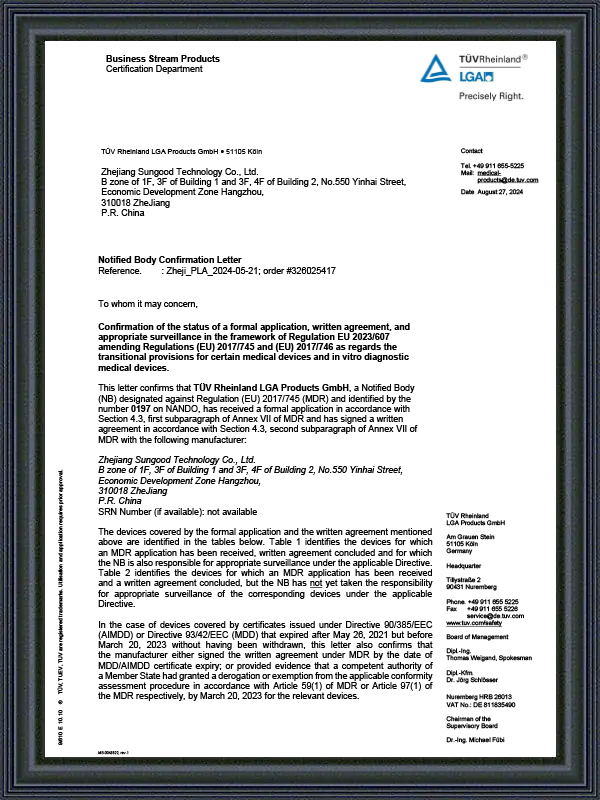
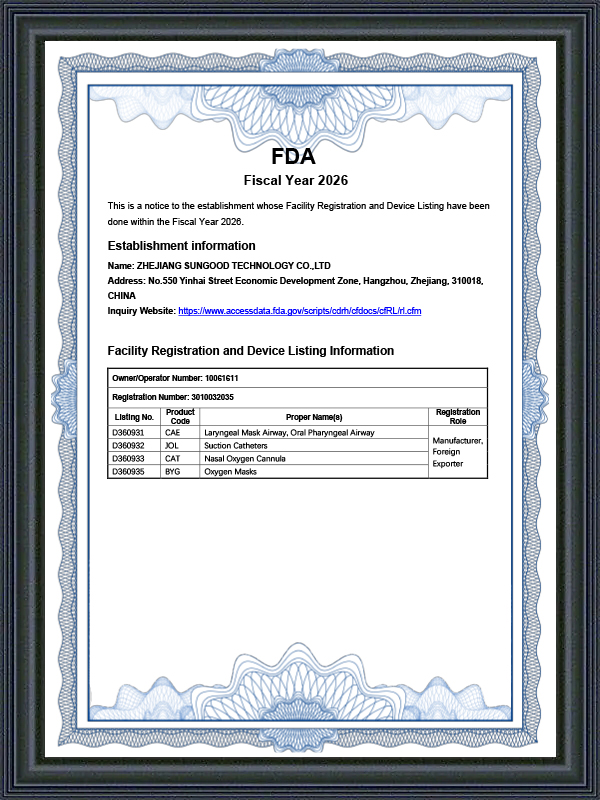
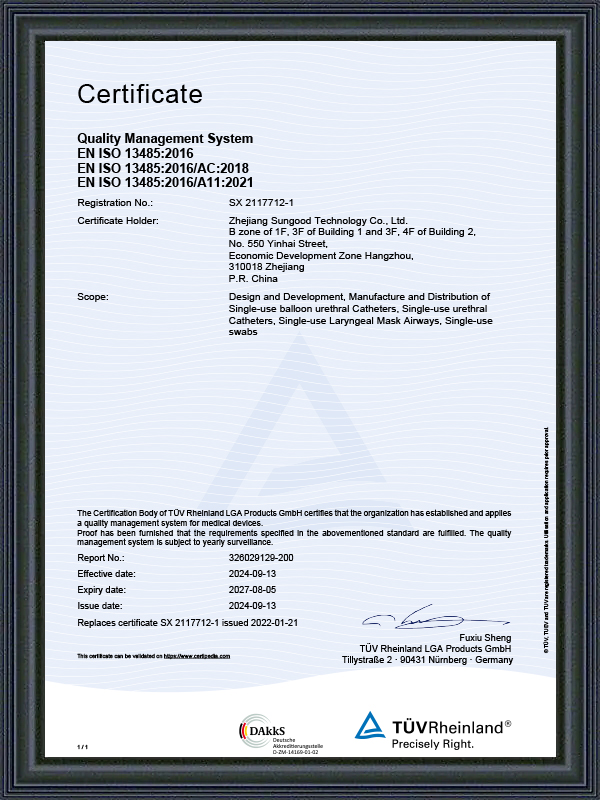
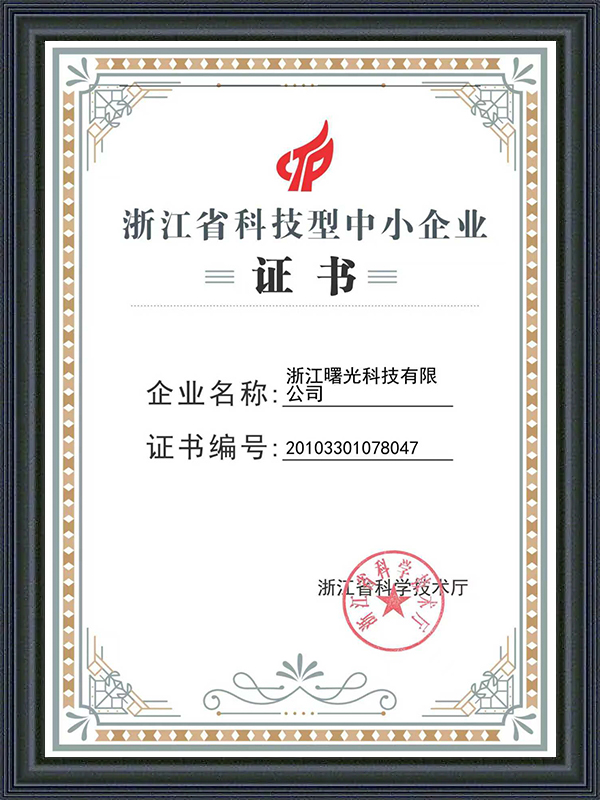
SUNGOOD, established in 2006 as a subsidiary of the Shuguang Proprietary Group, is a high-tech enterprise based in Hangzhou. We specialize in the development and manufacturing of high-quality disposable medical catheters, including hydrophilic coated catheters, laryngeal mask airways, and feeding tubes. As Medical Catheters Suppliers and Medical Catheter Supplies Company in China, our products are widely used in urology, gastroenterology, anesthesiology, and respiratory care.
Guided by our philosophy of “integrity, cooperation, and mutual success,” we are committed to continuous innovation and building an independent brand in the field of medical consumables in China. Disposable Medical Catheters for sale. We strive to contribute to the medical industry and look forward to collaborating with partners to create a promising future together.

0+
years
Industry Experience

0
m²
Factory Area

0
m²
Standard Laboratory

0+
Technical Personnel

Picture an in-hospital code where the team is using a bag-mask device. One rescuer pushes 30 times, stops, opens the airway, gives two breaths, then resumes compressions. Now picture the same code after an advanced airway has been placed. The pauses vanish. Chest compressions become a continuous ba...
A patient in respiratory arrest lies on the stretcher. Bag-mask ventilation produces a gurgling sound with each squeeze, and the chest barely rises. Someone hands you an oropharyngeal airway (OPA). The first step in its use is not measuring, and it is not positioning the head. It is clearing the ai...
Zhejiang Sungood Technology Co., Ltd. showcased its full range of core products—spanning respiratory anesthesia and urological intervention—at the 22nd Zhejiang International Medical Exhibition and Innovation Technology Exchange, joining industry peers to explore new pathways for the high-quality d...
Hydrophilic coated catheters significantly reduce friction during insertion, minimizing discomfort for patients and lowering the risk of urethral trauma. The coating absorbs water and creates a smooth, lubricated surface. Studies show that hydrophilic catheters can reduce catheterization pain by up to 50% compared to standard uncoated catheters.
We always focus on user comfort, ensuring each catheter has a uniform hydrophilic layer that activates immediately upon contact with water.
Disposable medical catheters are designed for single-use, which greatly reduces the risk of cross-contamination and urinary tract infections (UTIs). Reusable catheters, while economical, require thorough sterilization, which is often inconsistent outside clinical settings.
Medical guidelines increasingly favor disposable catheters for outpatient and home use due to their superior safety profile.
Catheters are commonly made from PVC, silicone, or latex. Each material has distinct characteristics:
| Material | Advantages | Limitations |
|---|---|---|
| PVC | Economical, flexible | Less biocompatible, may cause irritation |
| Silicone | Highly biocompatible, smooth surface | More expensive |
| Latex | Flexible, good elasticity | Risk of allergic reactions |
We prioritize high-quality, biocompatible materials to ensure safety and reliability in every product we provide.
Catheter selection depends on patient anatomy, urinary retention type, and frequency of use. For intermittent catheterization, hydrophilic disposable catheters are preferred. Indwelling catheters may require silicone-based materials to reduce encrustation and infection risk.
Proper selection reduces complications and improves patient adherence to long-term therapy.
Disposable catheters must be stored in a cool, dry environment to maintain sterility and material integrity. Exposure to high humidity or direct sunlight can degrade hydrophilic coatings or compromise packaging.
We implement rigorous quality control and long-term storage testing to guarantee the performance of each batch.
Modern disposable catheters often feature ergonomically designed tips or handles that simplify self-catheterization, especially for patients with limited hand mobility.
Pre-lubricated options reduce the need for external gels, improving hygiene and convenience. This design is particularly useful for home care settings.
Our product line integrates these advanced designs to make catheterization as safe and comfortable as possible.
Product Categories
Contact Us

+86-571-87687066
+86-18106505367

Workshop 1, 1st Floor(Zone B), 3rd Floor; Office Building 3rd&4th Floors, No. 550 Yinhai Street, Baiyang Sub-district, Qiantang District, Hangzhou City, Zhejiang Province, P.R.China
Ready to Begin?
Get in Touch

Now!
SUNGOOD

 English
 Español


