
Home / News / Industry News / Oropharyngeal and Nasopharyngeal Airways: Selection, Sizing, and Safe Use
Content
A patient in the recovery room is breathing spontaneously but drowsy, with a weak gag and no signs of midface trauma. The nurse reaches for an airway adjunct. An oropharyngeal airway may trigger retching and raise the risk of aspiration; a nasopharyngeal airway is often better tolerated, but it is the wrong choice if a basilar skull fracture is suspected. The decision comes down to consciousness, gag reflex, nasal patency, and the intended duration of support. Both devices are temporary bridges that relieve tongue-based obstruction; neither isolates the trachea or prevents aspiration. Get the selection and sizing right, and the adjunct buys time for definitive care. Get them wrong, and the tube can worsen obstruction, cause bleeding, or delay intubation.
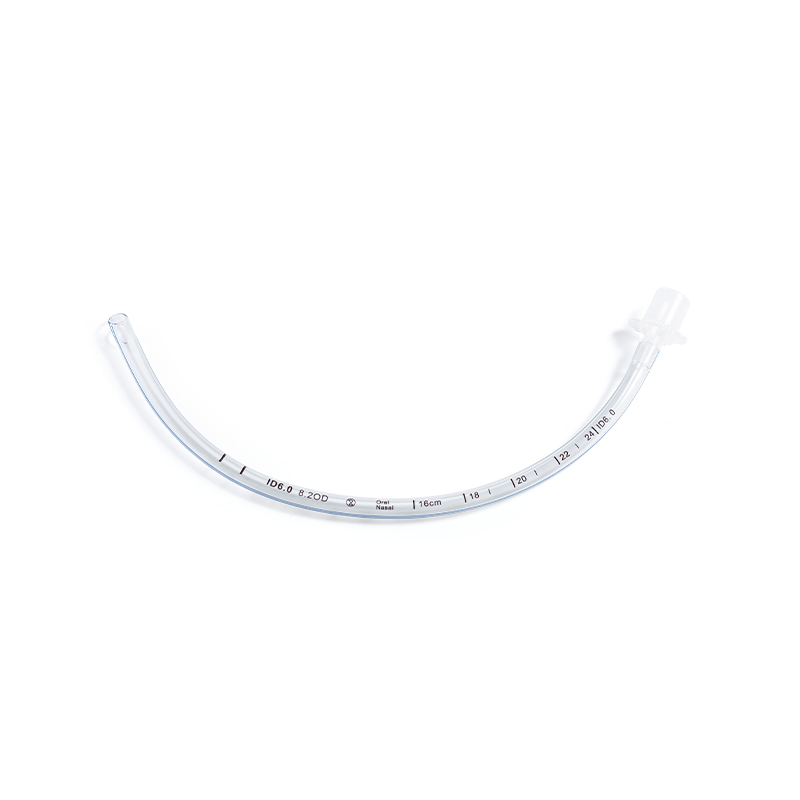
An oropharyngeal airway is a rigid, curved plastic device inserted through the mouth. It sits between the tongue and posterior pharyngeal wall, holding the tongue forward and creating a passage for ventilation and suction. Because it occupies the oral cavity, an oropharyngeal airway is best suited to a patient who is unconscious or deeply sedated and has no protective gag reflex. Inserting one in a patient who can gag can provoke vomiting, laryngospasm, or biting.
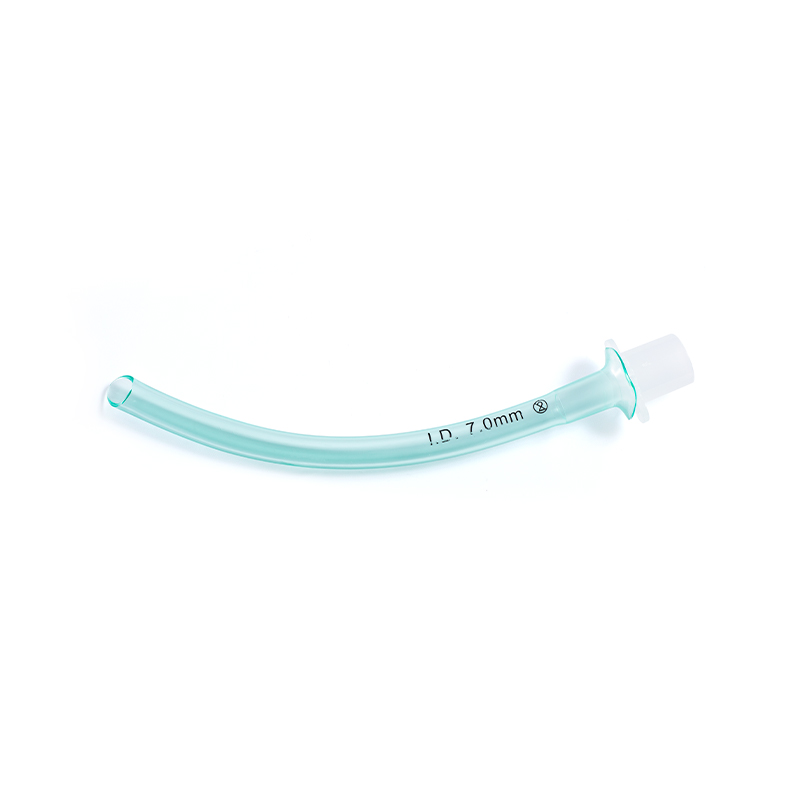
A nasopharyngeal airway is a soft, flexible tube passed through a nostril along the floor of the nasal cavity into the posterior pharynx. It bypasses the tongue base and any nasal obstruction, and it usually causes less gagging. That makes it useful in a semi-conscious patient with an intact gag, clenched teeth, or limited mouth opening. The trade-off is nasal trauma: epistaxis, submucosal false passage, and, with prolonged use, sinusitis or pressure necrosis. Suspected basilar skull fracture and severe coagulopathy are relative contraindications.
| Feature | Oropharyngeal airway | Nasopharyngeal airway |
|---|---|---|
| Route | Oral | Nasal |
| Primary action | Holds the tongue away from the posterior pharynx | Bypasses the tongue base and nasal obstruction |
| Tolerance | Poor if a gag reflex is present | Usually better tolerated in semi-conscious patients |
| Sizing landmark | Corner of the mouth to the angle of the mandible or earlobe | Nostril to the tragus or angle of the mandible |
| Key risks | Gagging, vomiting, laryngospasm, dental trauma | Epistaxis, false passage, sinusitis, pressure necrosis |
Sizing is not a guess. An oropharyngeal airway that is too short can allow the tongue to fold over the distal tip and obstruct the airway; one that is too long can push the epiglottis or provoke laryngospasm. Measure from the corner of the mouth to the angle of the mandible or earlobe before insertion. In adults, the device is often inserted with the curve reversed and rotated 180 degrees as it passes the palate; in children, a tongue blade is safer to avoid rotating against the soft palate. Stop if the patient gags, coughs repeatedly, or bites.
Nasopharyngeal airway sizing uses the nostril-to-tragus distance, not tube length alone. The diameter should fit the nostril without blanching the ala or causing pain. Lubricate the tube with a water-soluble gel, insert it perpendicular to the face and along the nasal floor, and advance gently. Do not angle the tip upward toward the cribriform plate. If resistance is met, withdraw and try a smaller tube or the other nostril; forcing the tube is how false passages and serious bleeding occur. The flange should rest at the nostril without tension.
Before insertion, confirm the indication and have suction ready. After insertion, verify that the airway is patent by watching chest rise, listening for air movement, and checking that the patient is not gagging or vocalizing around the tube. Reassess after any change in position, sedation, or ventilation. An airway adjunct does not replace bag-mask technique, capnography, or a plan for definitive airway management. Teams that want a deeper technical reference can review technical articles on airway management.
In preoxygenation and bag-mask ventilation, an oropharyngeal airway can improve ventilation in an unconscious patient by lifting the tongue off the posterior pharynx. It also gives a channel for suction. The same patient may not tolerate an oropharyngeal airway after sedation lightens; a nasopharyngeal airway may be the better bridge during recovery. In a patient with trismus, clenched teeth, or limited mouth opening, the nasal route may be the only practical adjunct, provided there is no contraindication. In suspected midface trauma or basilar skull fracture, avoid the nasal route and follow the local trauma pathway.
Neither device protects the lower airway. If the patient is vomiting, has a full stomach, or has a depressed gag and cannot protect the airway, the priority is suction, positioning, and definitive airway management, not a bigger adjunct. In children, size down and use the same anatomical landmarks; a child's airway is more sensitive to pressure and obstruction. Prolonged nasopharyngeal airway use in hospitalized patients requires regular inspection for nasal erosion, bleeding, and sinus infection.
Single-use devices reduce cross-contamination risk and support consistent sizing. A soft, atraumatic tip and a clear size label matter more than a low unit price when a team is standardizing a crash cart or an anesthesia cart.
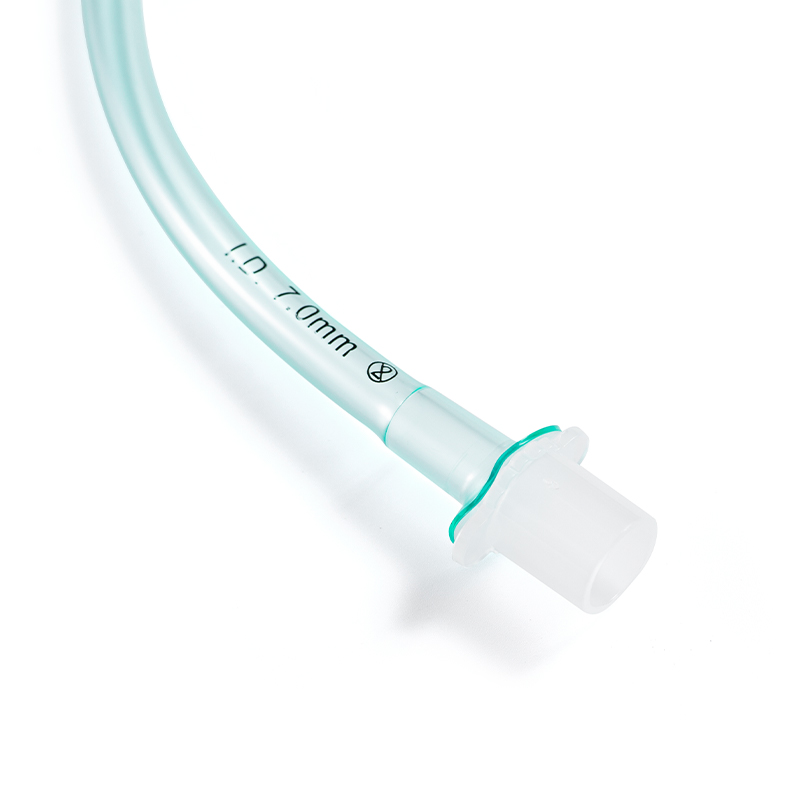 Single-Use Nasopharyngeal Airway for Airway ManagementSingle-use nasopharyngeal airway in infant to adult sizes, with soft PVC or silicone construction for maintaining airway patency in anesthesia, ICU, and emergency settings.View Product →
Purchasing airway adjuncts is not a commodity decision. A useful order set includes multiple sizes, clear color coding or labels, individual sterile packaging, and instructions for use. Check that the material is appropriate for the intended duration: PVC is common for short-term nasal and oral adjuncts, while softer materials may improve tolerance but can be harder to insert. Confirm single-use labeling, biocompatibility documentation, and quality certification such as ISO 13485 or CE marking where applicable. Standardize sizes across units so a code cart in the emergency department matches the operating room and the intensive care unit.
Training should cover sizing, insertion, suction, and removal, with a competency check for both routes. Teams often rehearse intubation but rarely rehearse oropharyngeal and nasopharyngeal airway insertion under time pressure. A short simulation with a task trainer can expose common errors: measuring to the wrong landmark, angling the nasal tube upward, forcing resistance, and leaving an adjunct in place after the patient's gag returns. SUNGOOD's other airway management devices include a single-use nasopharyngeal airway and cuff pressure monitoring system; buyers should still verify size range, packaging, and local regulatory clearance before adding a product to formulary.
The oropharyngeal airway is for the patient who cannot gag and needs a short-term oral channel; the nasopharyngeal airway is for the patient who needs a nasal bypass and can tolerate it. Measure both against anatomical landmarks, have suction ready, and reassess after every change. Use the smallest device that relieves obstruction, document the size and insertion depth, and escalate if the patient remains obstructed or cannot protect the airway. The best adjunct is the one that fits the patient's anatomy and the clinical timeline, not the one that happens to be on top of the cart.
Product Categories
Contact Us

+86-571-87687066
+86-18106505367

Workshop 1, 1st Floor(Zone B), 3rd Floor; Office Building 3rd&4th Floors, No. 550 Yinhai Street, Baiyang Sub-district, Qiantang District, Hangzhou City, Zhejiang Province, P.R.China
Ready to Begin?
Get in Touch

Now!

sungood

 English
 Español