
Home / News / Industry News / Recognizing the Signs of a Severe Airway Obstruction: Silence and Cyanosis
Content
A patient who cannot answer a simple question, cough, or move air is not having a mild choking episode. That presentation is a severe airway obstruction until proven otherwise. The most reliable signs are loss of speech, a silent or absent cough, and little or no air movement; cyanosis and altered consciousness often follow quickly.
Airflow matters more than noise. A noisy partial obstruction can sound dramatic, while a complete obstruction can be almost silent. In clinical settings, severe obstruction is a bedside diagnosis. Waiting for imaging, a full set of vital signs, or laboratory results wastes time the patient does not have.
Severe obstruction means the airway is critically narrowed or blocked. The patient may be awake and panicked but unable to phonate. The following hard signs should trigger immediate help:
Stridor or wheeze may be present, but their absence is not reassuring. A patient who is fighting to breathe without moving air is more concerning than a patient who is coughing forcefully and speaking in full sentences.
Severity is judged by airflow, speech, cough strength, and mental status. The table below separates the presentations that can be watched from those that require immediate intervention.
| Feature | Mild or partial | Severe | Complete |
|---|---|---|---|
| Speech or cry | Can speak or cry | Unable to speak or cry | Silent |
| Cough | Forceful cough | Weak, silent, or absent cough | No cough |
| Air movement | Audible air movement | Minimal air movement | No air movement |
| Mental status | Alert and anxious | Panic, confusion, decreasing consciousness | Unconscious |
| Noise | Stridor or wheeze possible | Stridor may be soft or absent | Often silent |
| First action | Encourage coughing and monitor | Call for help and prepare to intervene | Start CPR if unresponsive |
The universal choking sign is useful, but it is not universal. Some adults freeze, some panic silently, and some continue to make weak sounds until they deteriorate. A patient who can speak or cough forcefully does not have a complete obstruction; encourage coughing and monitor closely. A patient who cannot speak, has a silent cough, or is turning blue needs immediate action.
Do not perform blind finger sweeps in an awake patient. If the patient is conscious and severely obstructed, abdominal thrusts are appropriate for most adults and children over one year. If the patient becomes unresponsive, start CPR and inspect the mouth only when a foreign body is visible. Cyanosis is a late sign; absent airflow and fading consciousness are earlier and more actionable.
Infants cannot clutch their throat or answer questions. Severe obstruction may show as a weak or absent cry, cyanosis, nasal flaring, intercostal retractions, grunting, drooling, or lethargy. In older children, stridor may come from croup, a foreign body, or another cause of upper airway narrowing; drooling and a tripod position suggest a more dangerous obstruction.
Once severe obstruction is recognized, the priority is opening the airway, not completing a diagnostic workup. Equipment should be ready before the next case: suction, bag-mask ventilation, supraglottic airways, endotracheal tubes, and a cuff pressure monitor. Clinicians who stock airway carts can review the anesthesia and airway management range to confirm the categories commonly used in these emergencies.
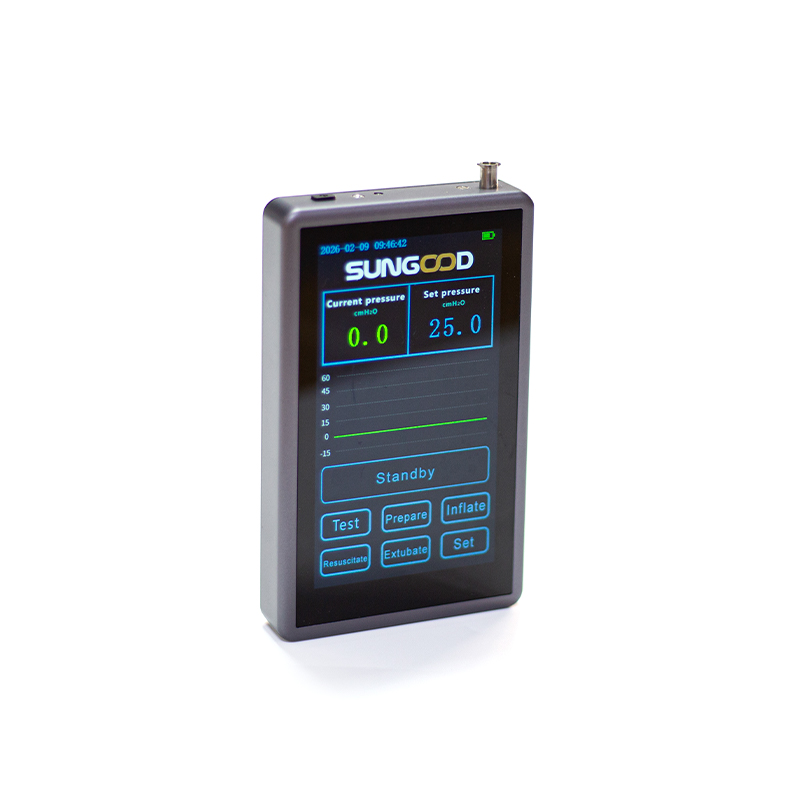
After initial maneuvers, a cuff pressure monitoring system helps keep cuff inflation within a safe range and reduce unnecessary tracheal trauma.
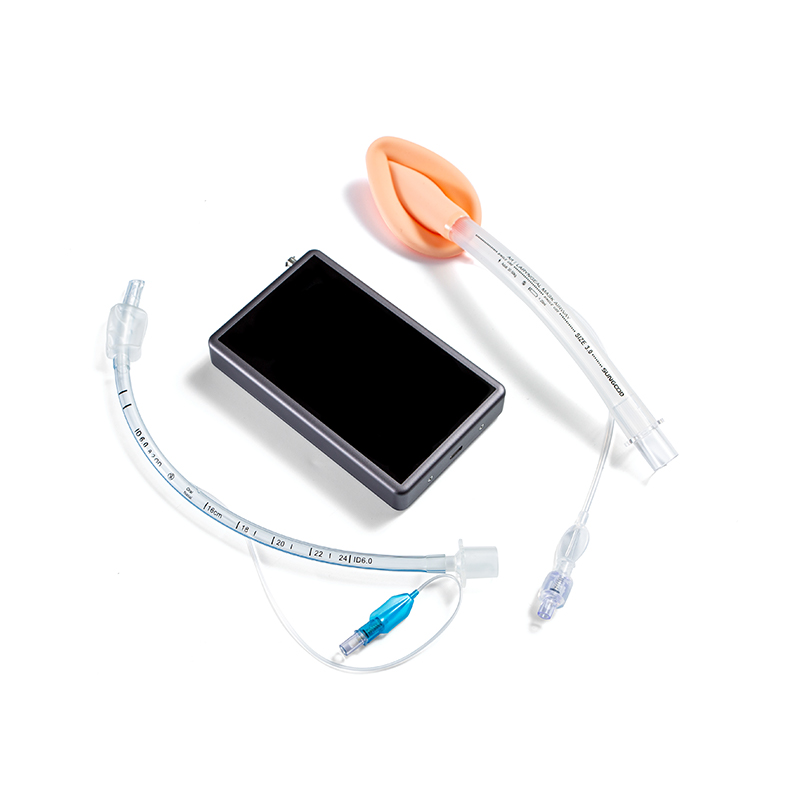 Airway Cuff Pressure Monitoring SystemOffers continuous cuff pressure management with real-time monitoring, customizable alarms, and rapid deflation, supporting safer ventilation and extubation in airway management.View Product →
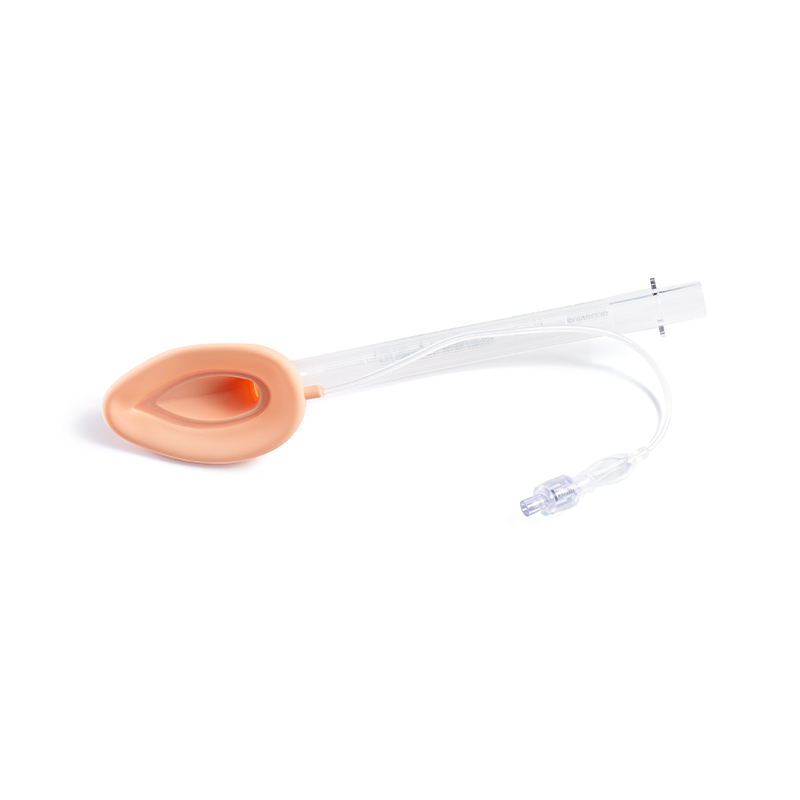
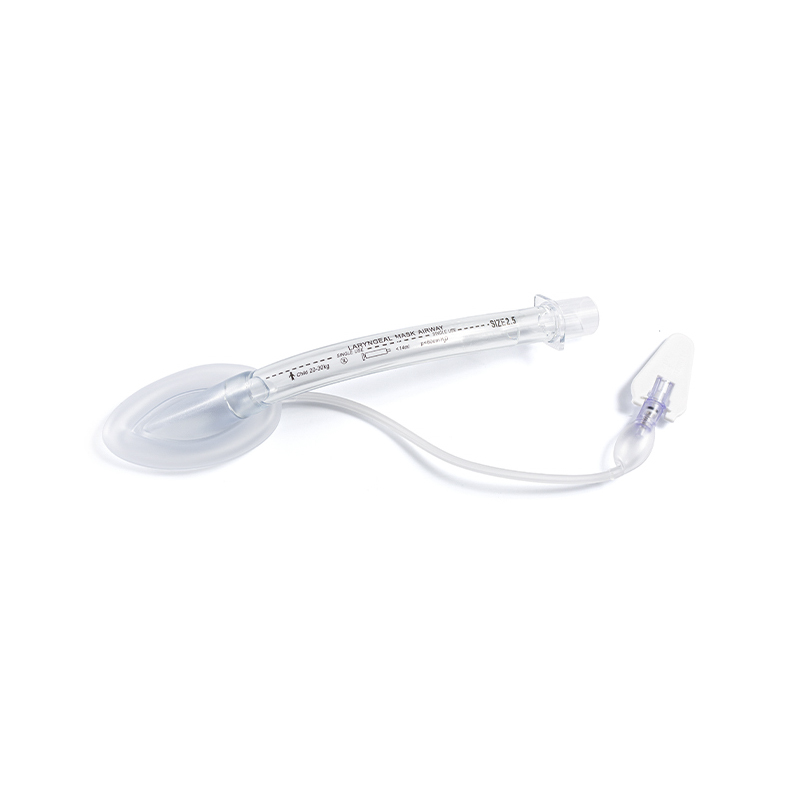
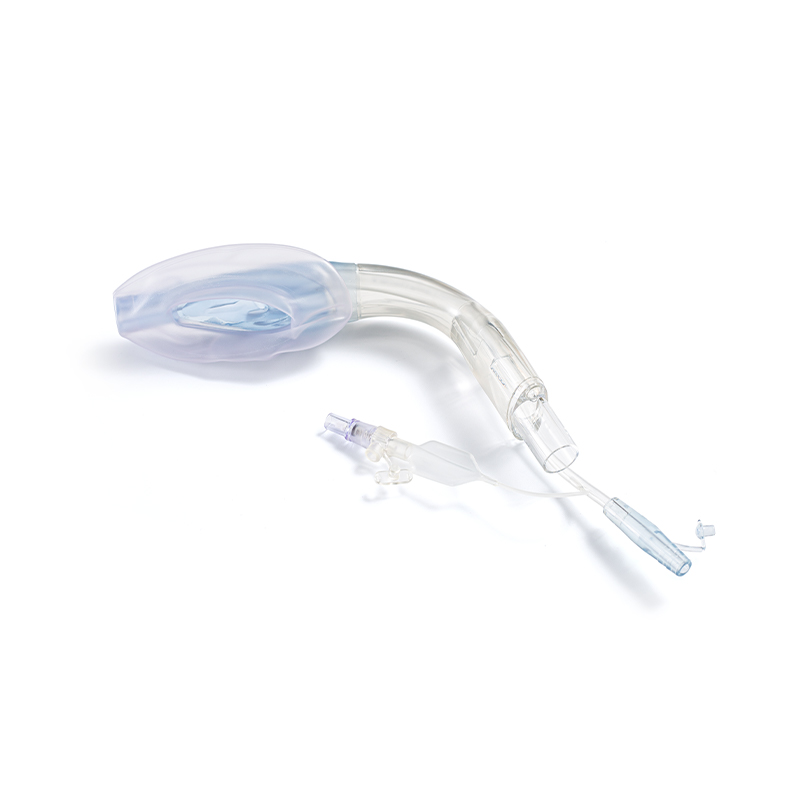
Supraglottic devices such as a double-lumen anti-aspiration laryngeal mask can provide rescue ventilation while reducing aspiration risk when the airway is difficult to secure.
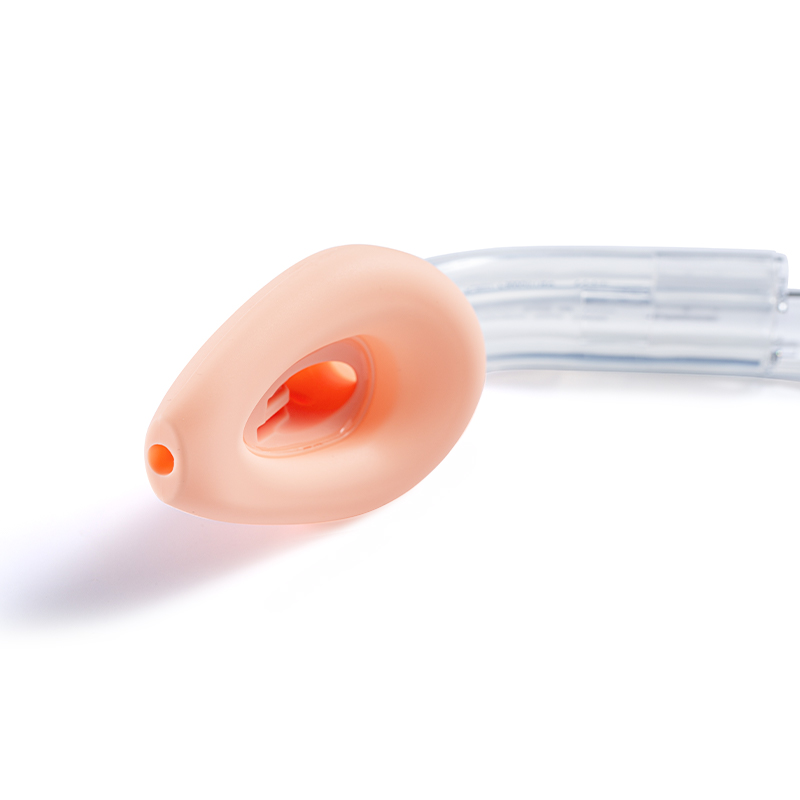 Double-Lumen Anti-Aspiration Laryngeal Mask AirwayCombines ventilation with independent gastric drainage and secretion aspiration, offering a dual barrier for high-risk patients in anesthesia, emergency, and intensive care.View Product →
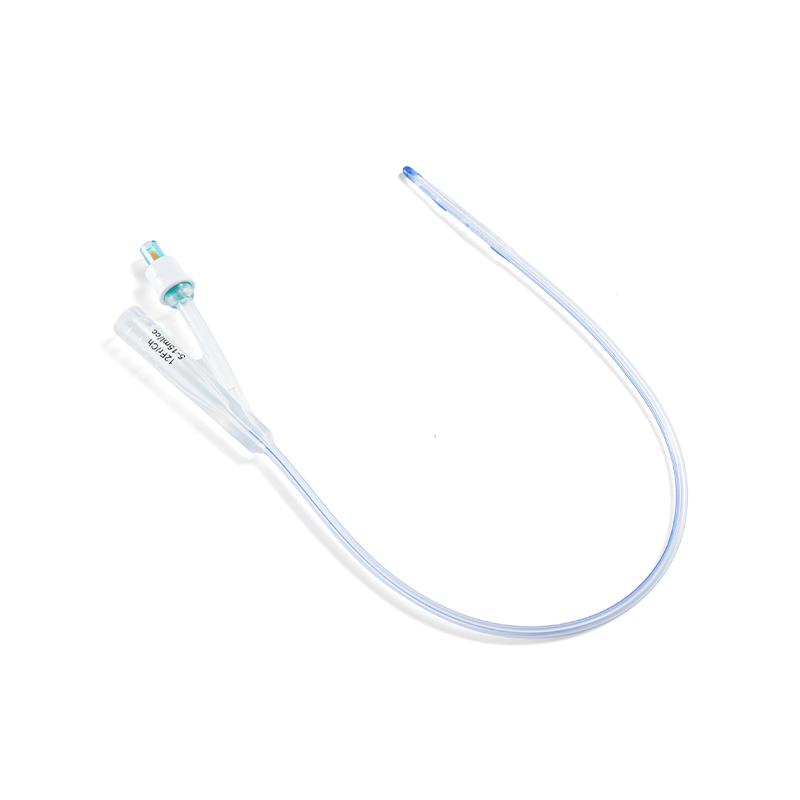
For definitive control, a cuffed endotracheal tube with accurate positioning marks supports secure placement and easier depth verification during urgent intubation.
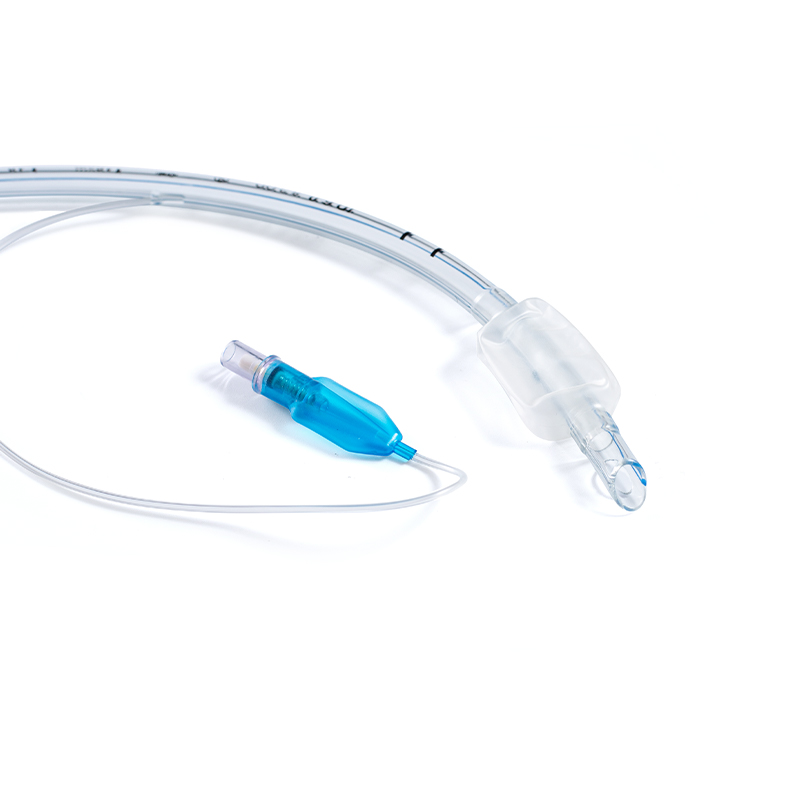 Standard Cuffed Endotracheal Tube with Accurate PositioningProvides a low-pressure, high-volume cuff and clear depth scales to support secure placement and ventilation across adult and pediatric airway management.View Product →
Sizing errors are a known risk in airway rescue. Proper laryngeal mask sizing covers insertion depth, cuff checks, and safety tips that matter during urgent placement.
Most errors come from waiting for a classic sign instead of acting on airflow and mental status. Stridor does not prove that ventilation is adequate, and cyanosis is often late. Blind finger sweeps can push a foreign body deeper. Abdominal thrusts are not appropriate for infants under one year.
For procurement teams, practical checks include single-use labeling, sterile packaging, clear size markings, and certification such as CE and ISO 13485. These details matter when a device must be opened and used under time pressure.
Record the time of onset, whether speech or cough was present, the interventions performed, device size, cuff pressure, and the patient's response. Include any suspected cause and signs of airway trauma. Handoff should be brief but specific: what was obstructed, what was done, what worked, and what device is currently in place.
Severe airway obstruction is recognized by what the patient cannot do: speak, cough, and move air. Noise, panic, and cyanosis are supporting clues, not the threshold for action. For clinical teams, the takeaway is simple: treat silence and absent airflow as an emergency, prepare the right devices, and measure what you place.
Product Categories
Contact Us

+86-571-87687066
+86-18106505367

Workshop 1, 1st Floor(Zone B), 3rd Floor; Office Building 3rd&4th Floors, No. 550 Yinhai Street, Baiyang Sub-district, Qiantang District, Hangzhou City, Zhejiang Province, P.R.China
Ready to Begin?
Get in Touch

Now!

sungood

 English
 Español