

Home / News / Industry News / Balloon vs. Non-Balloon G-Tube: Key Differences
Content
The primary difference between balloon and non-balloon G-tubes lies in how they are secured inside the stomach. Balloon G-tubes use a water-filled balloon at the internal tip to anchor the device against the stomach wall, while non-balloon tubes (often called bumper or mushroom-tip tubes) rely on a fixed, flexible disk or bumper that sits snugly against the gastric lining. This fundamental design difference dictates how each tube is replaced, maintained, and monitored for safety.
For caregivers and patients, choosing between the two often depends on lifestyle, frequency of replacement, and risk tolerance. Balloon tubes are generally easier to replace at home but require regular monitoring of water volume, whereas non-balloon tubes offer greater stability but typically require professional assistance for insertion.
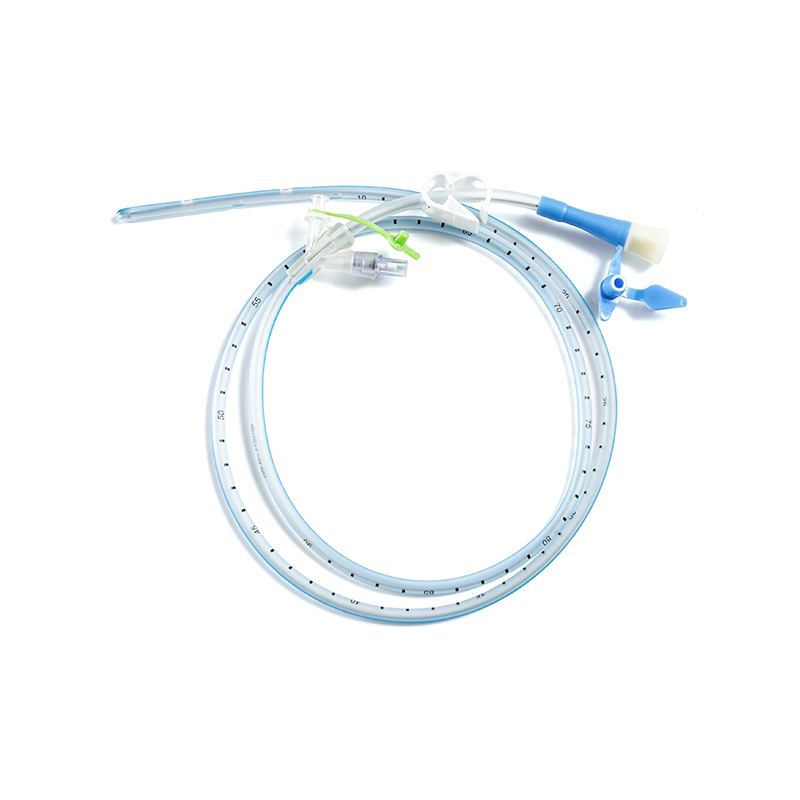
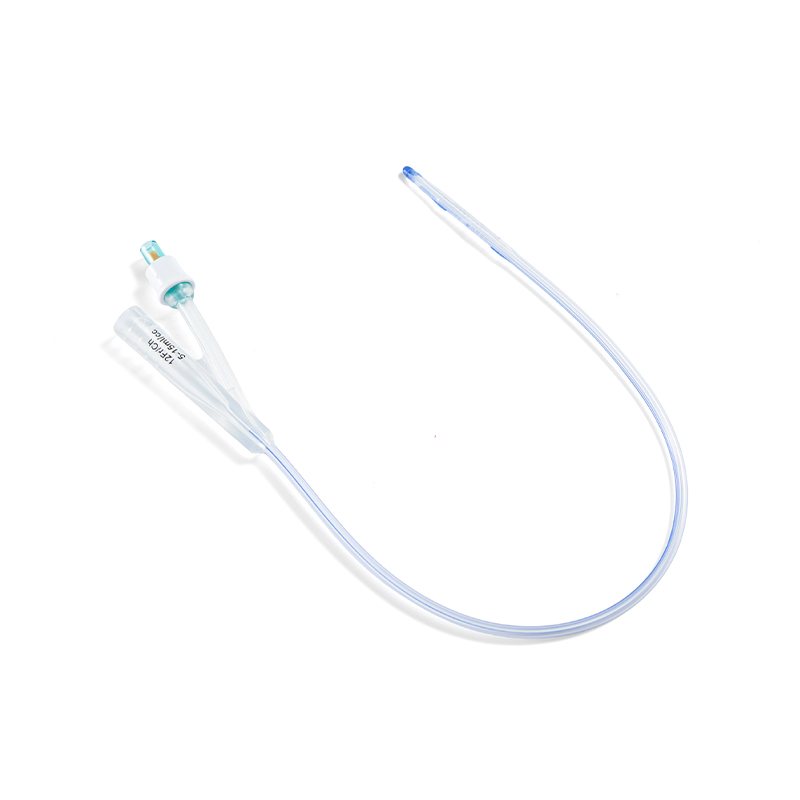
Balloon-retained gastrostomy tubes, such as the Foley catheter-style devices, are widely used due to their simplicity. The balloon is inflated with sterile water through a separate port after insertion. This allows for easy bedside replacement by trained caregivers once the stoma tract is mature (usually after 8-12 weeks). If the tube falls out, a new one can be inserted quickly without the need for endoscopy.
The main drawback of balloon tubes is the risk of deflation. The balloon can leak over time or rupture if overinflated. Caregivers must check the water volume weekly to ensure it matches the manufacturer’s specification. If the balloon deflates unexpectedly, the tube can migrate into the intestinal tract, causing blockage, or fall out entirely, requiring immediate medical attention to prevent stoma closure.
Non-balloon tubes, often referred to as low-profile "button" devices or standard PEG tubes with a mushroom tip, use a rigid or flexible internal bumper to stay in place. This design eliminates the risk of deflation, offering superior retention stability. Because there is no balloon to burst, these tubes are less prone to accidental migration and are often preferred for active individuals or children who may pull on the tube.
The trade-off for increased stability is difficulty in replacement. Non-balloon tubes cannot be simply pushed back in if they fall out because the internal bumper must be collapsed or guided through the stoma tract. This usually requires a specialized introducer kit and significant experience, or more commonly, a visit to a healthcare provider. For low-profile buttons, replacement is almost always done by a professional every 3-6 months.
| Feature | Balloon G-Tube | Non-Balloon G-Tube |
|---|---|---|
| Retention Method | Water-filled balloon | Internal bumper/disk |
| Replacement Ease | Easy (Home care) | Difficult (Professional) |
| Maintenance | Weekly water checks | Minimal |
| Risk of Migration | Higher (if deflated) | Lower |
When selecting a G-tube, clinicians consider the patient's anatomy and care environment. Balloon tubes are often used initially after placement because they are forgiving during the healing phase. However, long-term users may switch to non-balloon buttons for comfort and discretion, as low-profile devices sit flush against the skin and are hidden under clothing.
It is crucial for caregivers to know the type of tube installed. If a balloon tube falls out, the stoma can begin to close within hours, but a spare tube can be inserted immediately. If a non-balloon tube falls out, reinsertion is difficult and risky without proper tools; therefore, keeping the stoma open with a temporary Foley catheter or seeking immediate emergency care is vital. Understanding these protocols prevents complications like peritonitis or loss of access site.
Both balloon and non-balloon G-tubes serve essential roles in enteral nutrition. The choice ultimately depends on the caregiver's ability to perform maintenance and the patient's activity level. For those confident in home care and needing quick replacement options, balloon tubes offer practicality. For those prioritizing stability and willing to schedule professional replacements, non-balloon buttons provide peace of mind.
Understanding the mechanical differences between these devices empowers patients and families to manage care effectively, reduce emergency visits, and improve quality of life. Regular communication with a gastroenterologist or wound care nurse ensures the selected tube remains appropriate as needs change over time.



Product Categories
Contact Us

+86-571-87687066
+86-18106505367

Workshop 1, 1st Floor(Zone B), 3rd Floor; Office Building 3rd&4th Floors, No. 550 Yinhai Street, Baiyang Sub-district, Qiantang District, Hangzhou City, Zhejiang Province, P.R.China
Ready to Begin?
Get in Touch

Now!

sungood

 English
 Español
