
Home / News / Industry News / Is an LMA Considered Intubation? Key Differences Explained
Content
No, a Laryngeal Mask Airway (LMA) is not considered intubation. While both devices are used to secure a patient's airway during general anesthesia, they differ fundamentally in placement and protection. Intubation specifically refers to the insertion of an endotracheal tube (ETT) through the vocal cords into the trachea. In contrast, an LMA is a supraglottic airway device that sits above the glottis (vocal cords) in the hypopharynx.
This distinction is critical for medical coding, legal documentation, and clinical safety protocols. An LMA does not provide the same level of aspiration protection as an endotracheal tube because it does not seal the trachea. Therefore, in medical records, placing an LMA is documented as "insertion of a supraglottic airway," not "endotracheal intubation."
Understanding the anatomical difference clarifies why these two procedures are categorized separately. The location of the device determines its classification and its physiological impact on the patient.
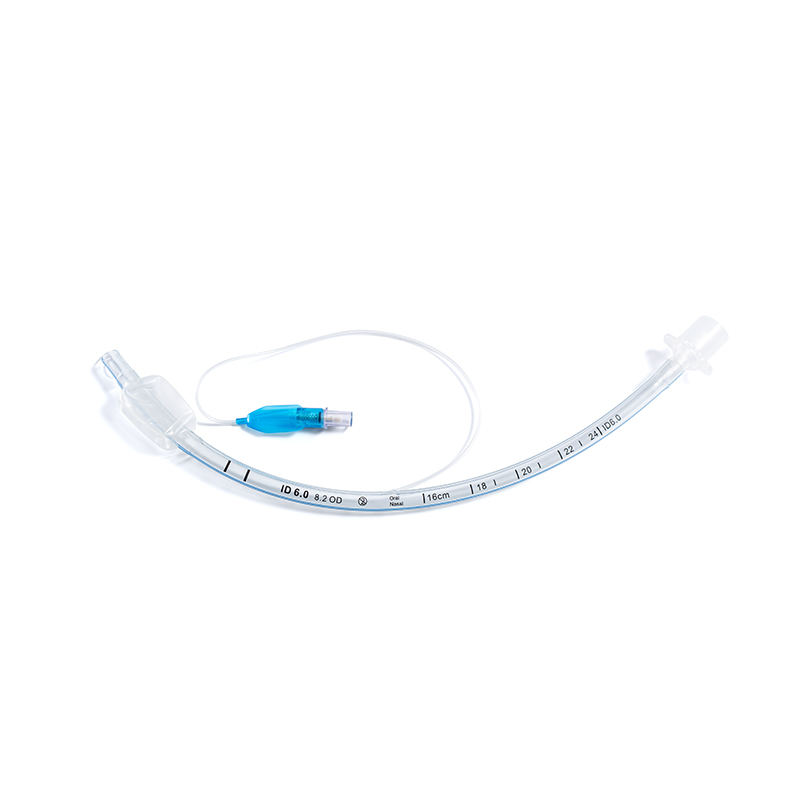
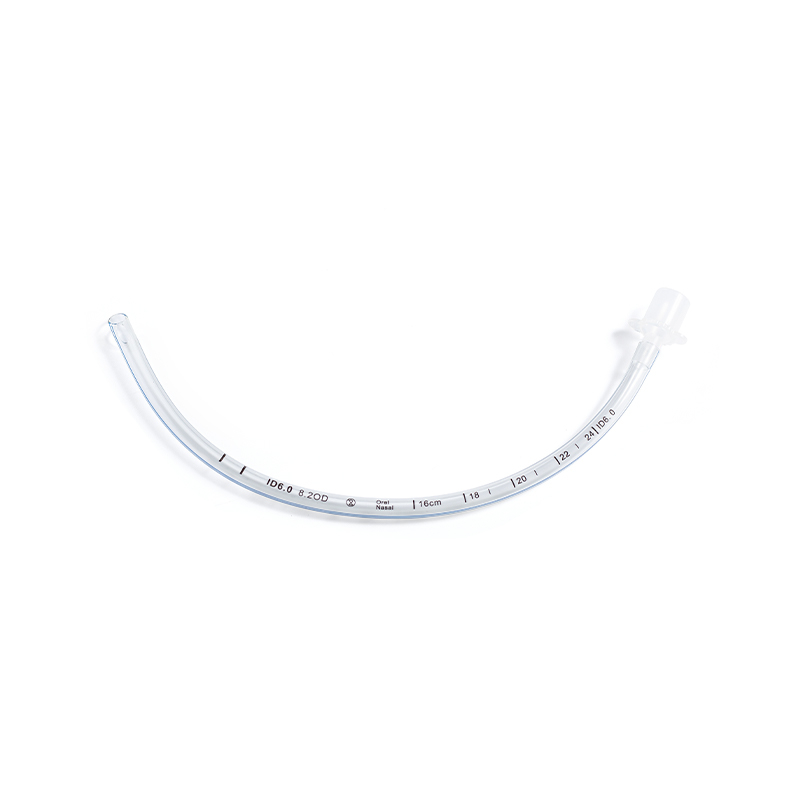
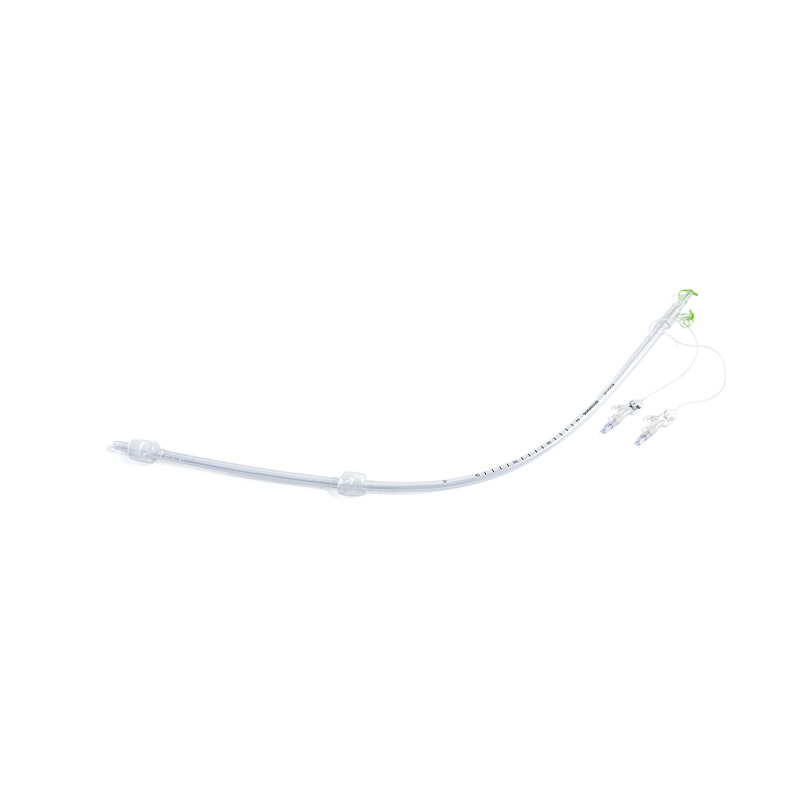
During intubation, a tube is passed through the mouth or nose, past the vocal cords, and into the trachea. A cuff near the tip is inflated to create a tight seal within the trachea. This isolates the lungs from the esophagus, preventing stomach contents from entering the airway. It is the gold standard for definitive airway control.
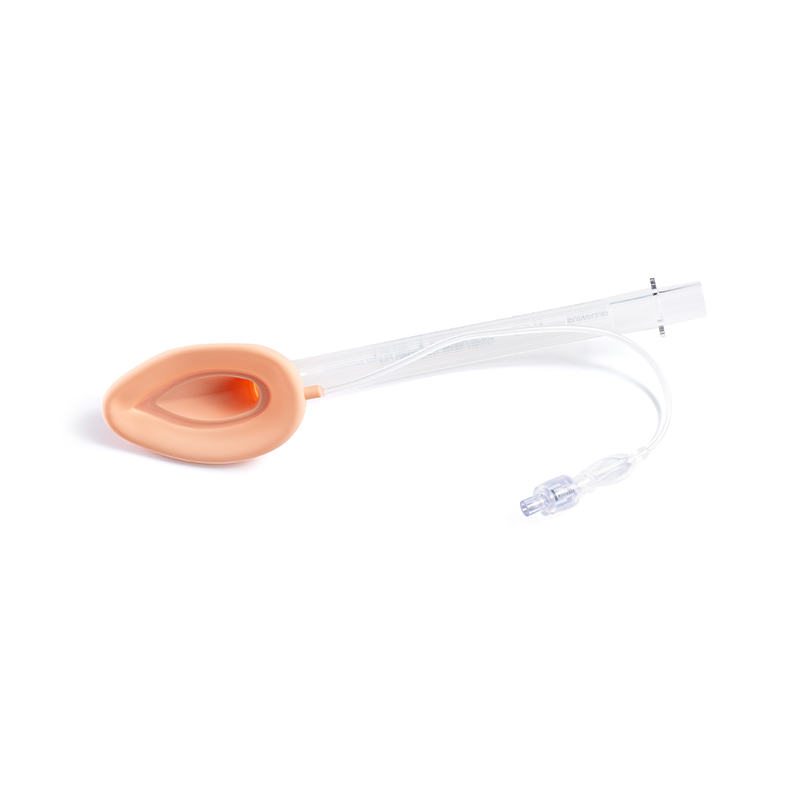
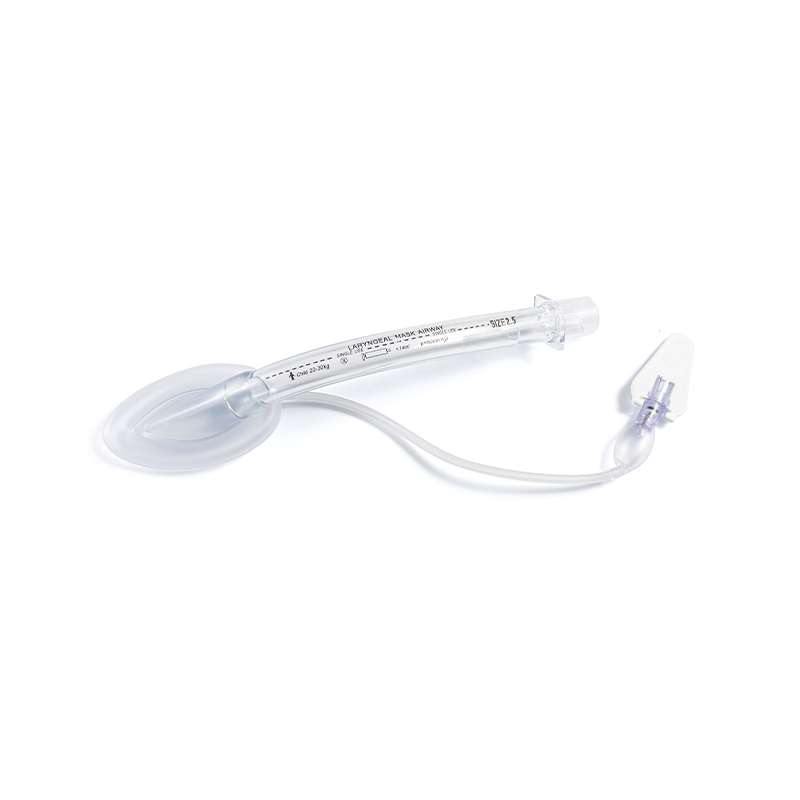
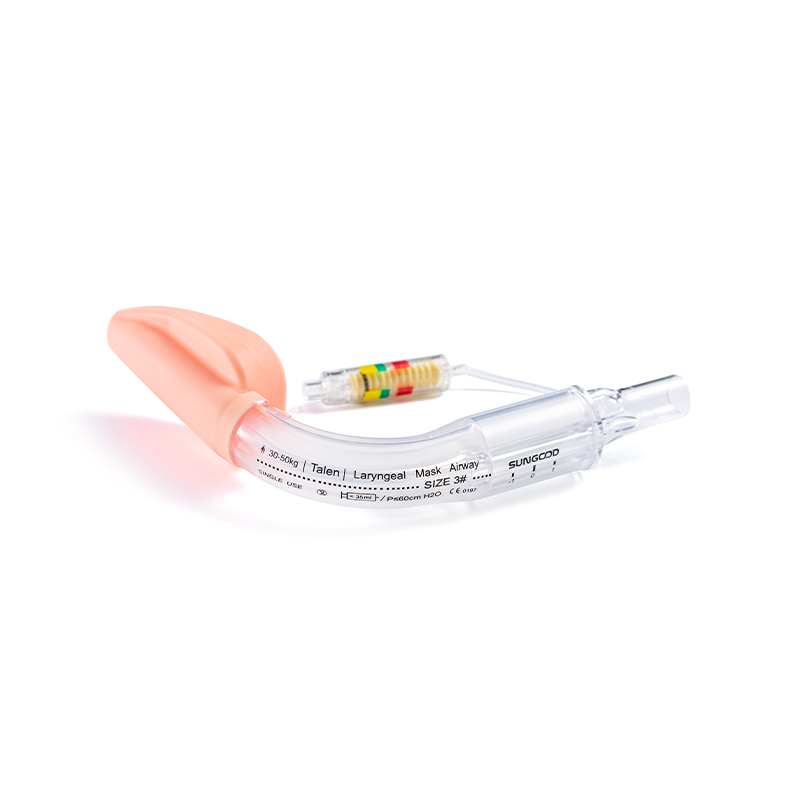
An LMA consists of a tube with an elliptical mask at the end. It is inserted blindly into the pharynx until it seats over the laryngeal inlet. The cuff is inflated to form a low-pressure seal around the larynx, but it remains above the vocal cords. It does not enter the trachea, meaning the airway is not isolated from the esophagus as effectively as with an ETT.
The choice between an LMA and intubation depends on the surgical procedure, patient risk factors, and the need for muscle relaxation. Each method has distinct advantages and limitations.
Muscle Relaxants Required?| Feature | LMA (Supraglottic) | Endotracheal Tube (Intubation) |
|---|---|---|
| Placement Location | Above vocal cords (Hypopharynx) | Below vocal cords (Trachea) |
| Aspiration Protection | Low to Moderate | High (Definitive seal) |
| Usually No | Yes | |
| Post-op Sore Throat | Less Common (~10-15%) | More Common (~30-40%) |
| Best For | Short procedures, spontaneous breathing | Long surgeries, high aspiration risk |
LMAs are often preferred for short, minor surgeries where the patient can breathe spontaneously. They cause less hemodynamic stress during insertion and removal. However, for patients with full stomachs, severe obesity, or those requiring high-pressure ventilation, intubation is mandatory to prevent life-threatening aspiration pneumonia.
In medical billing and legal contexts, confusing an LMA with intubation can lead to significant errors. Accurate terminology is essential for compliance and reimbursement.
Current Procedural Terminology (CPT) codes distinguish clearly between these procedures. Intubation is typically coded under endotracheal intubation services (e.g., CPT 31500). LMA insertion is often bundled into the anesthesia service or coded separately as a supraglottic airway placement, depending on the payer guidelines. Mislabeling an LMA as intubation can be considered upcoding or fraud if it implies a higher level of service than was performed.
In the event of a medical dispute, the medical record must accurately reflect the airway device used. If a patient suffers aspiration while an LMA was in place, documenting it as "intubated" could be legally problematic because intubation implies a higher standard of aspiration protection. Anesthesiologists are trained to document "LMA inserted" or "Supraglottic airway placed" to avoid ambiguity.
Despite not being intubation, LMAs are widely used in modern anesthesia practice due to their ease of use and patient comfort. They are particularly valuable in specific clinical scenarios.
While the LMA is a versatile and safe tool, it is crucial to remember that it is not a substitute for intubation in high-risk cases. Understanding this distinction ensures appropriate device selection, accurate documentation, and optimal patient safety.
Product Categories
Contact Us

+86-571-87687066
+86-18106505367

Workshop 1, 1st Floor(Zone B), 3rd Floor; Office Building 3rd&4th Floors, No. 550 Yinhai Street, Baiyang Sub-district, Qiantang District, Hangzhou City, Zhejiang Province, P.R.China
Ready to Begin?
Get in Touch

Now!

sungood

 English
 Español