
Home / News / Industry News / Laryngeal Mask Airway: Usage, Benefits & Safety Guide
Content
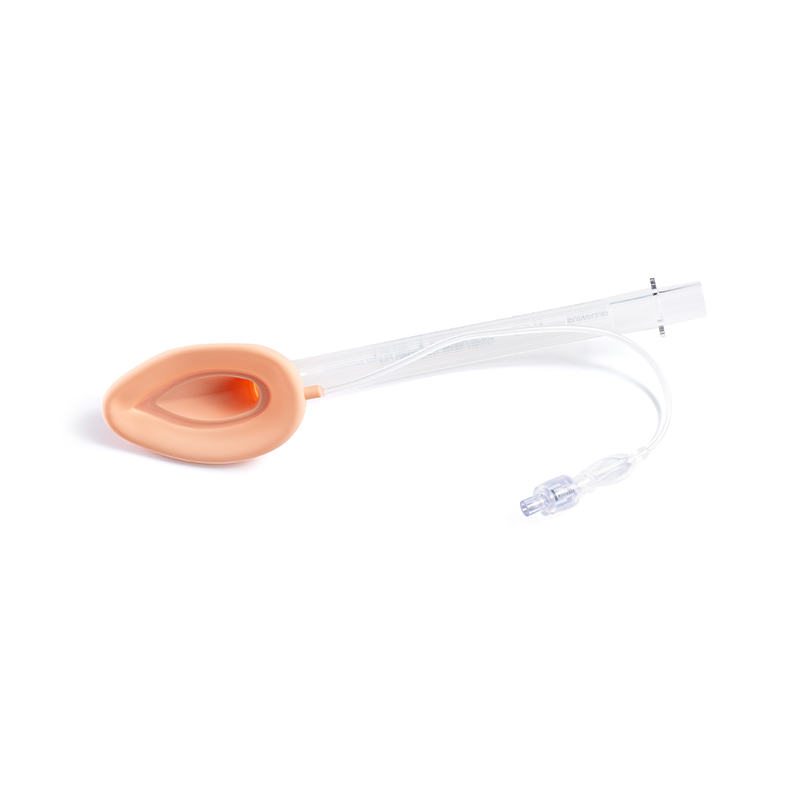
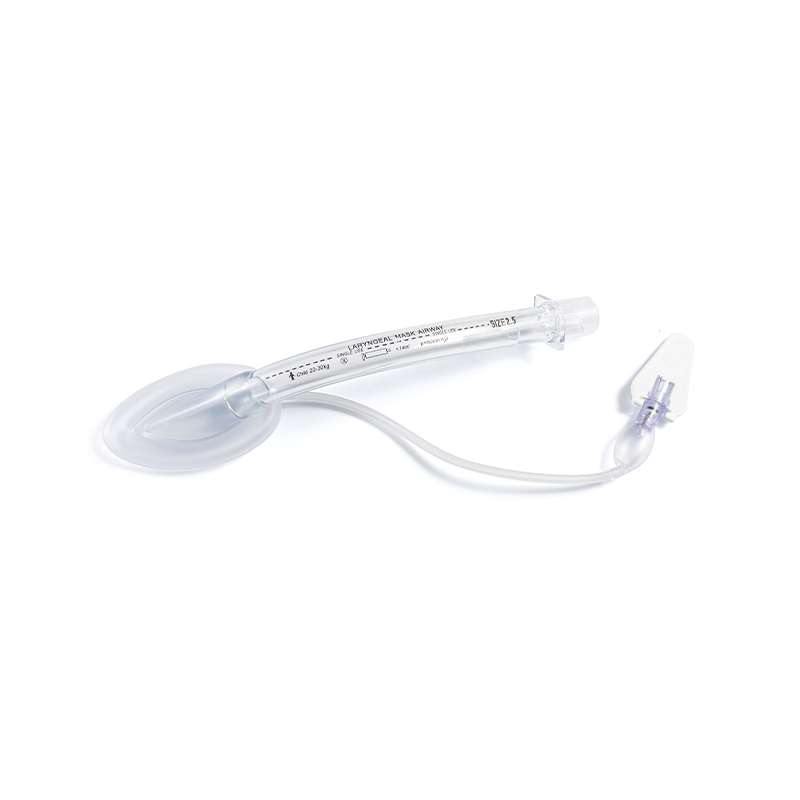
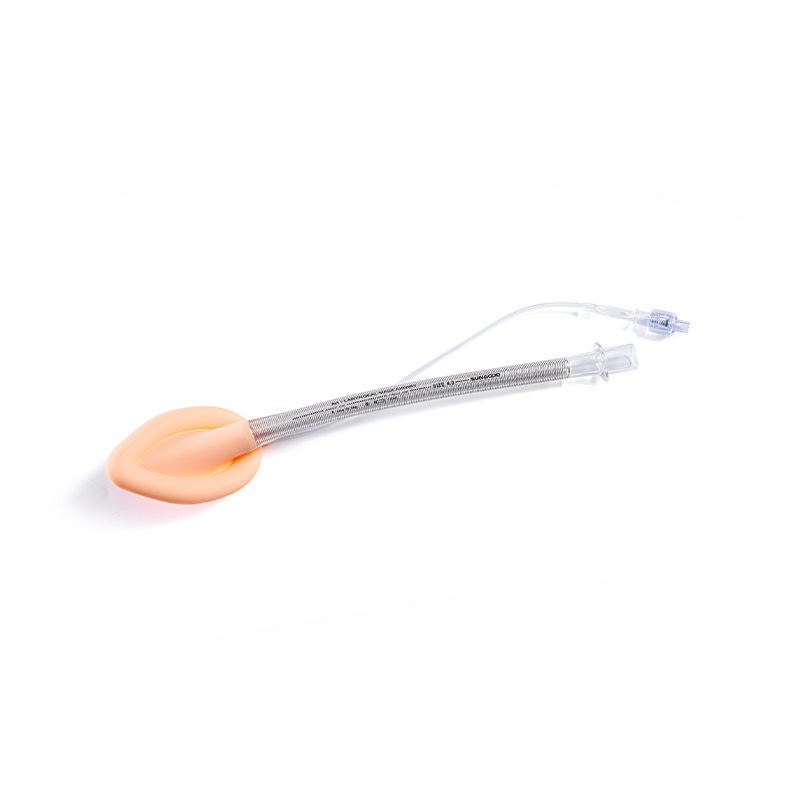
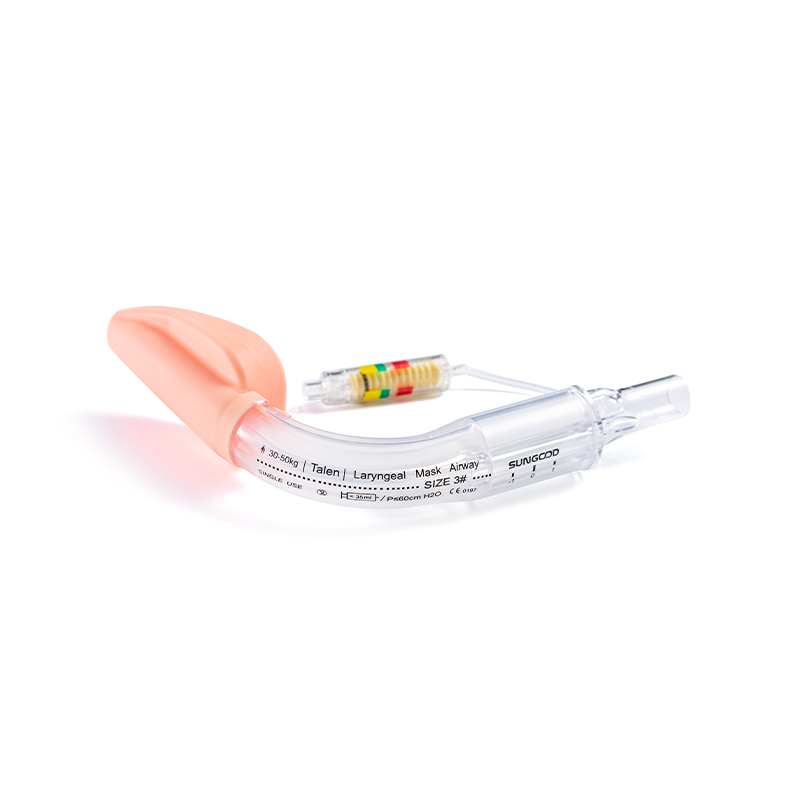
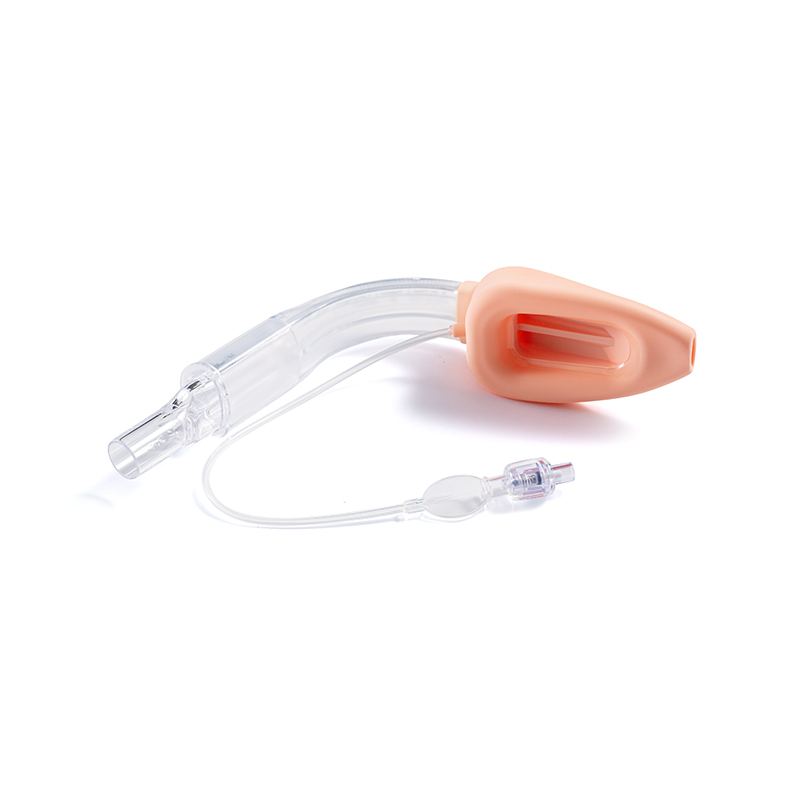
The Laryngeal Mask Airway (LMA) is a supraglottic airway device that has become a cornerstone of modern anesthesia and emergency medicine. It provides a secure seal around the larynx, allowing for effective ventilation without the need for invasive tracheal intubation. This makes it an ideal choice for short to medium-duration surgeries and situations where rapid airway establishment is critical.
Since its introduction in the 1980s, the LMA has significantly reduced the complications associated with endotracheal intubation, such as sore throat, dental damage, and laryngeal trauma. Studies indicate that LMAs reduce the incidence of postoperative sore throat by up to 50% compared to traditional endotracheal tubes, enhancing patient comfort and recovery speed.
Not all LMAs are the same; different designs cater to specific clinical needs:
The original design features a simple elliptical cuff that seals around the laryngeal inlet. It is reusable after sterilization and is suitable for patients with normal anatomy and low risk of aspiration.
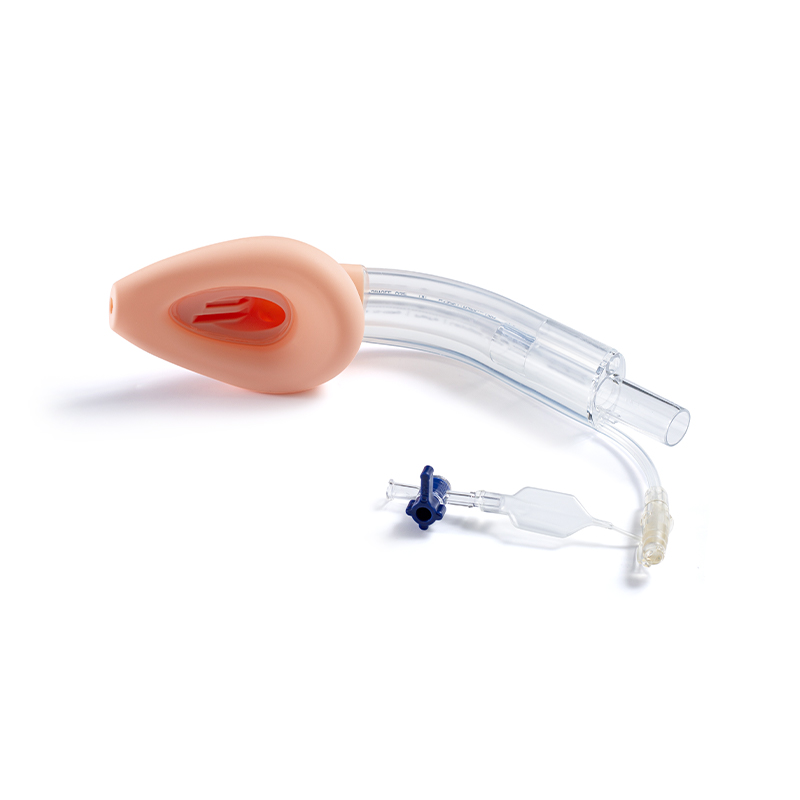
This second-generation device includes a gastric drainage tube, allowing for the venting of stomach contents and reducing the risk of aspiration. It provides a higher seal pressure, making it safer for patients with slightly higher intra-abdominal pressure.
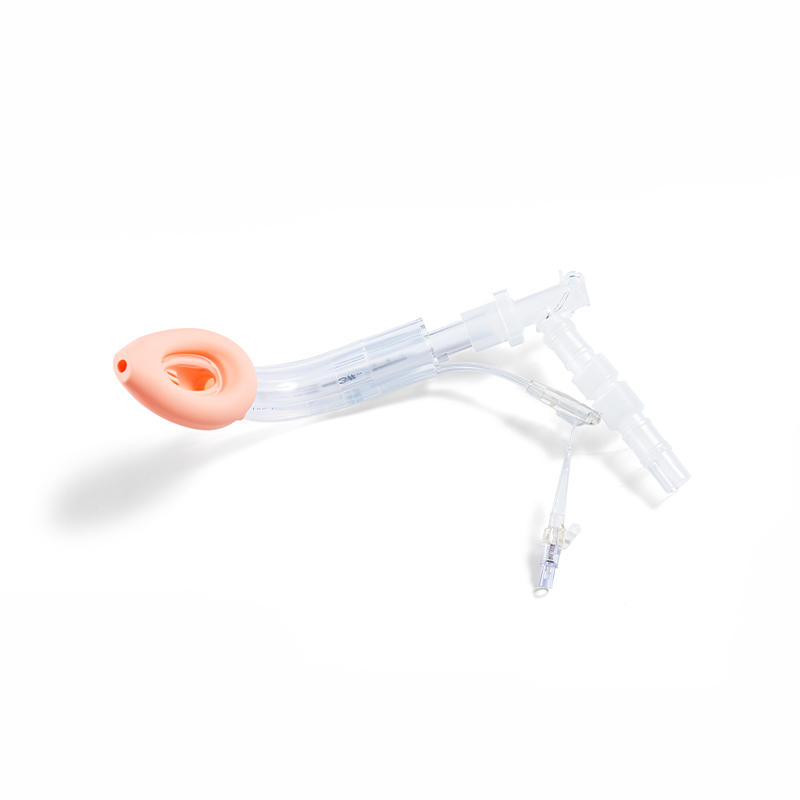
Made from medical-grade PVC or silicone, these are pre-sterilized and ready for immediate use. They eliminate cross-contamination risks and are increasingly preferred in high-turnover operating rooms and emergency settings.
Choosing an LMA over an endotracheal tube (ETT) offers several clinical benefits:
| Feature | Laryngeal Mask Airway | Endotracheal Tube |
|---|---|---|
| Insertion Difficulty | Low | High |
| Aspiration Protection | Moderate (ProSeal) | High |
| Postop Sore Throat | Low Incidence | High Incidence |
| Suitable for Positive Pressure | Yes (Limited Pressure) | Yes (High Pressure) |
Proper insertion is crucial for a successful seal and patient safety:
While versatile, LMAs are not suitable for all patients. Contraindications include:
The Laryngeal Mask Airway is a vital tool in airway management, offering a balance of ease, safety, and patient comfort. Its ability to provide effective ventilation with minimal invasiveness makes it a preferred choice for many routine surgical procedures and emergency scenarios.
By understanding the different types, proper insertion techniques, and limitations, healthcare providers can maximize the benefits of LMAs while minimizing risks. As technology advances, newer designs continue to improve seal quality and aspiration protection, further solidifying the LMA's role in modern anesthetic practice.
Product Categories
Contact Us

+86-571-87687066
+86-18106505367

Workshop 1, 1st Floor(Zone B), 3rd Floor; Office Building 3rd&4th Floors, No. 550 Yinhai Street, Baiyang Sub-district, Qiantang District, Hangzhou City, Zhejiang Province, P.R.China
Ready to Begin?
Get in Touch

Now!

sungood

 English
 Español