
Home / News / Industry News / Single-use Balloon Gastric Tube: Safety & Clinical Benefits
Content
Single-use balloon gastric tubes significantly reduce the risk of cross-contamination and healthcare-associated infections compared to reusable alternatives, ensuring higher patient safety standards. By eliminating the need for complex sterilization processes, these disposable devices streamline clinical workflows and guarantee that every patient receives a pristine, medically certified instrument. This shift towards disposability is critical in modern gastroenterology and intensive care units where hygiene protocols are paramount.
The primary advantage of using a single-use balloon gastric tube is the absolute elimination of cross-infection risks. Reusable tubes, even after rigorous high-level disinfection, can retain biofilms or microscopic residues that pose health threats to immunocompromised patients.
Sterilization failures are a known risk in hospital settings. With disposable tubes, this variable is removed entirely. Each unit is manufactured in a controlled cleanroom environment and sealed in sterile packaging, providing 100% assurance of sterility upon opening. This is particularly crucial for procedures involving the gastrointestinal tract, where bacterial load is high.
Modern single-use tubes are crafted from medical-grade silicone or polyurethane, materials chosen for their biocompatibility and smooth surface finish. These materials reduce tissue trauma during insertion and minimize the risk of allergic reactions or mucosal irritation, enhancing patient comfort during both short-term and long-term use.
Beyond clinical safety, the adoption of single-use balloon gastric tubes offers substantial logistical benefits for healthcare facilities. The removal of reprocessing steps frees up valuable staff time and resources.
| Factor | Single-use Tube | Reusable Tube |
|---|---|---|
| Preparation Time | Immediate (Ready-to-use) | Hours (Cleaning & Sterilization) |
| Infection Risk | Negligible | Low but present |
| Storage Requirements | Standard Shelf Storage | Sterile Processing Dept. |
| Initial Cost per Unit | Higher | Lower |
While the per-unit cost of disposable tubes may be higher, the total cost of ownership often favors single-use options when accounting for labor, water, energy, and chemical costs associated with reprocessing reusable devices. Additionally, the immediate availability of sterile tubes reduces procedure delays in emergency situations.
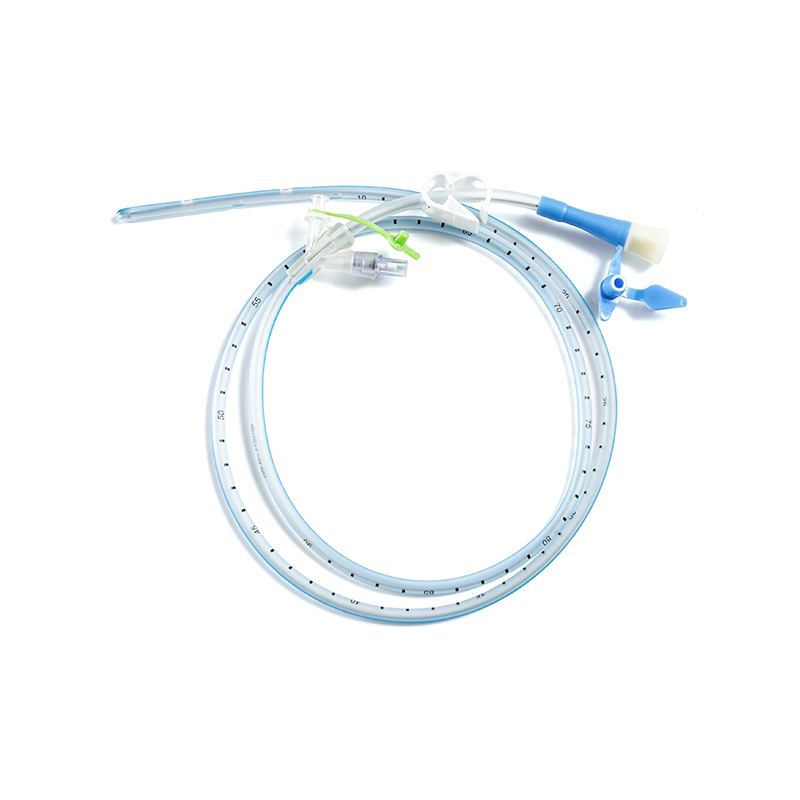
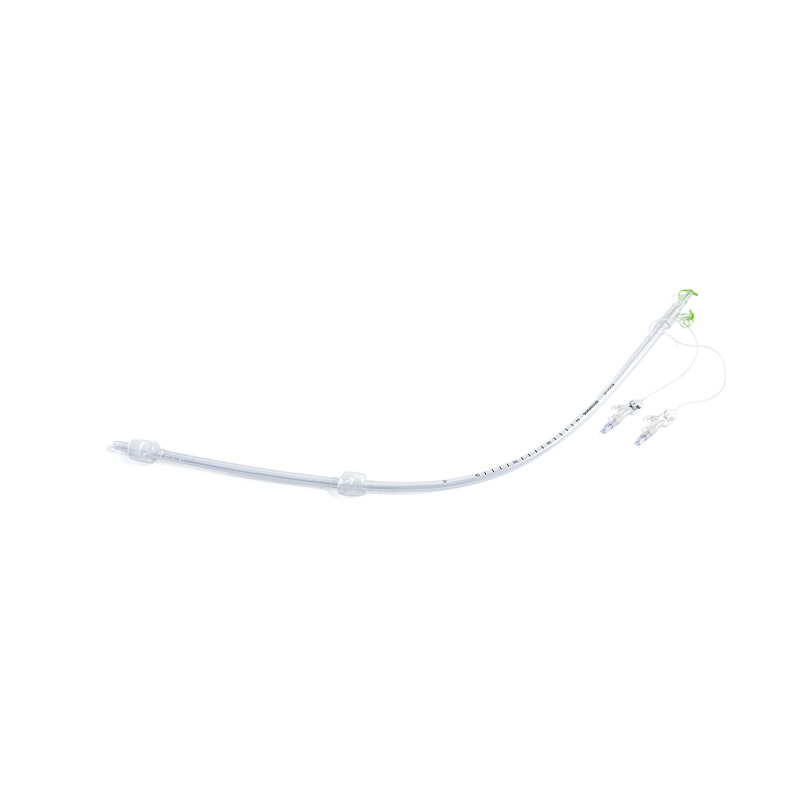
Single-use balloon gastric tubes are engineered with precision to ensure reliable performance during critical medical interventions. Key design elements focus on ease of insertion, secure positioning, and effective drainage or feeding.
These features collectively enhance the reliability of the device, allowing healthcare providers to focus on patient care rather than equipment management. The consistency of manufacturing ensures that every tube performs predictably, unlike reusable tubes which may degrade over time.
The shift to single-use medical devices raises valid concerns about medical waste. However, advancements in material science and waste management strategies are mitigating these impacts.
Many manufacturers are now producing tubes from recyclable polymers or materials with a lower environmental footprint. Furthermore, the reduction in water and chemical usage from eliminating sterilization processes contributes to a lower overall carbon footprint for the facility. Hospitals are increasingly adopting specialized waste segregation protocols to ensure that non-hazardous plastic components are disposed of responsibly, balancing clinical safety with environmental stewardship.
Product Categories
Contact Us

+86-571-87687066
+86-18106505367

Workshop 1, 1st Floor(Zone B), 3rd Floor; Office Building 3rd&4th Floors, No. 550 Yinhai Street, Baiyang Sub-district, Qiantang District, Hangzhou City, Zhejiang Province, P.R.China
Ready to Begin?
Get in Touch

Now!

sungood

 English
 Español