
Home / News / Industry News / OPA Contraindications: Why Gag Reflex and Conscious Patients Rule Out Use
Content
A patient is found unresponsive after a suspected opioid overdose. The respiratory rate is six breaths per minute, and oxygen saturation is falling. You perform a head-tilt-chin-lift, open the mouth, and reach for an oropharyngeal airway (OPA). The moment the curved plastic tip touches the posterior pharynx, the patient gags and vomits. This is a classic, avoidable error: the OPA was used despite a clear contraindication. An oropharyngeal airway must not be used in a patient who has an intact gag reflex, and it must not be used in a patient who is conscious or responsive enough to resist the device. Before inserting an OPA, you must confirm that the patient is unresponsive and has no protective airway reflexes.
An OPA is a curved, semi-rigid airway adjunct that holds the tongue forward and keeps the soft tissues of the pharynx from collapsing. It is inserted through the mouth, and its distal tip sits just above the epiglottis, providing a clear channel for air to reach the larynx. It is commonly used during bag-mask ventilation, in cardiac arrest, and as a bite block during oral intubation.
| Feature | Typical OPA | Clinical Purpose |
|---|---|---|
| Design | Curved channel with a central lumen | Guides airflow around the tongue |
| Route | Oral only | Used when the oral cavity is accessible |
| Patient state | Unresponsive, no gag reflex | Prevents vomiting and laryngospasm |
| Sizing | Mouth corner to earlobe | Ensures the tip reaches the pharynx safely |
These features explain why the device is not suitable for every patient. The OPA does not protect the airway from aspiration, and it can trigger strong protective reflexes when placed in the wrong patient.
The gag reflex is a protective mechanism that closes the glottis and contracts the pharyngeal muscles when the posterior pharynx is stimulated. Placing an OPA in a patient who still has this reflex triggers a predictable chain of complications:
This is why the gag reflex is the most important contraindication to OPA use. If the patient gags when the posterior pharynx is touched, the OPA must not be inserted. Clinical protocols across emergency medicine and anesthesia consistently list an intact gag reflex as an absolute contraindication because the risks of aspiration and laryngospasm outweigh any benefit from improved airflow.
A conscious patient will not tolerate an OPA. Even a drowsy patient who responds to voice or painful stimulation will often bite down, gag, or push the device out. The clinical rule is simple: the OPA is appropriate only for a patient who cannot protect their own airway. If the patient can speak, cough, swallow, or follow commands, the OPA is contraindicated.
Using the AVPU scale can help make this decision quickly. The OPA is reasonable only for a patient who is unresponsive to all stimuli. For any patient who responds to voice (V) or pain (P), the OPA is not appropriate. Regaining consciousness during a resuscitation is a well-known reason to remove an OPA immediately, because the return of airway reflexes places the patient at risk of vomiting and aspiration.
Beyond the gag reflex and consciousness, several clinical situations require caution or rule out the use of an OPA entirely:
In these situations, weighing the need for airway support against the potential harm of the device is essential. The OPA is a simple tool, but it can cause serious complications when used without clinical judgment.
The assessment takes less than ten seconds if performed systematically:
This systematic approach prevents the most common errors: inserting the device too early in a patient who still has reflexes, or leaving it in place after the patient starts to wake up.
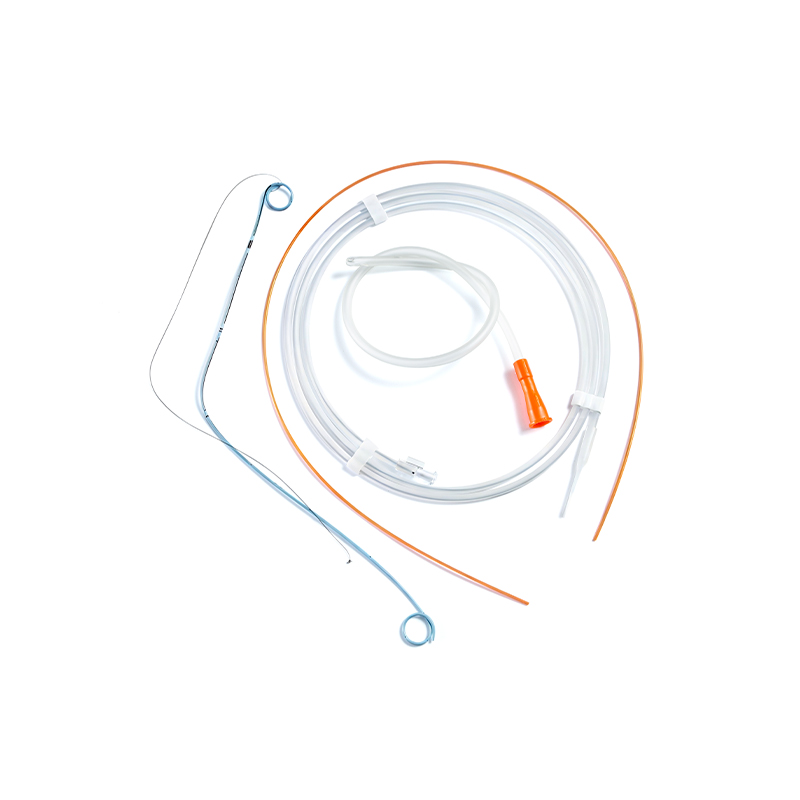
When an OPA is contraindicated because of an intact gag reflex or a semi-conscious state, the nasopharyngeal airway (NPA) is the standard alternative. The NPA is inserted through the nostril and passes along the floor of the nasal cavity into the pharynx. Because it avoids the oral cavity and the most sensitive areas of the posterior tongue, it is far better tolerated in patients who still have some airway reflexes.
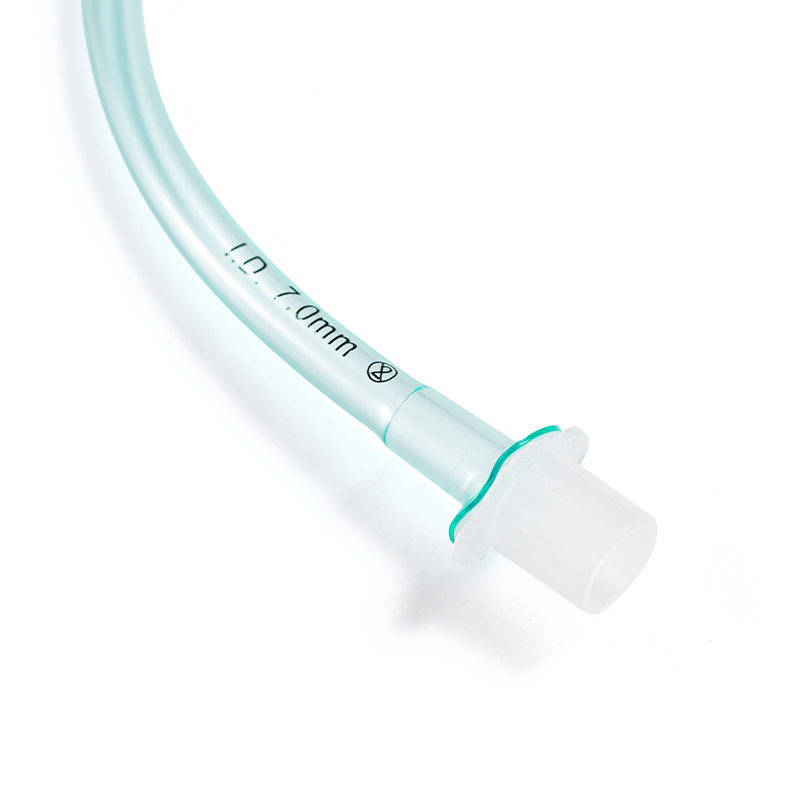 Disposable Nasopharyngeal Airway for Airway ManagementThis single-use nasopharyngeal airway offers a tolerated alternative when an oropharyngeal airway is contraindicated, helping maintain ventilation in semi-conscious patients with intact gag reflexes or limited mouth opening.View Product →
The NPA is particularly useful for a patient with a decreased level of consciousness who still gags, or for a patient who needs frequent suctioning. It can also be used when the oral route is blocked by trauma or trismus. Like the OPA, the NPA is not a definitive airway, but it can improve ventilation and buy valuable time.
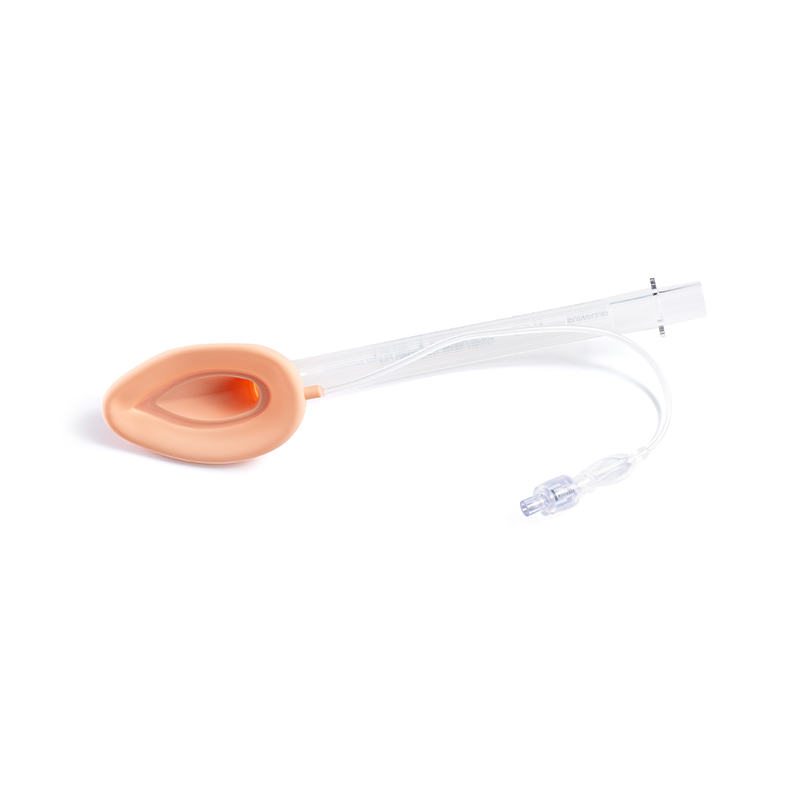
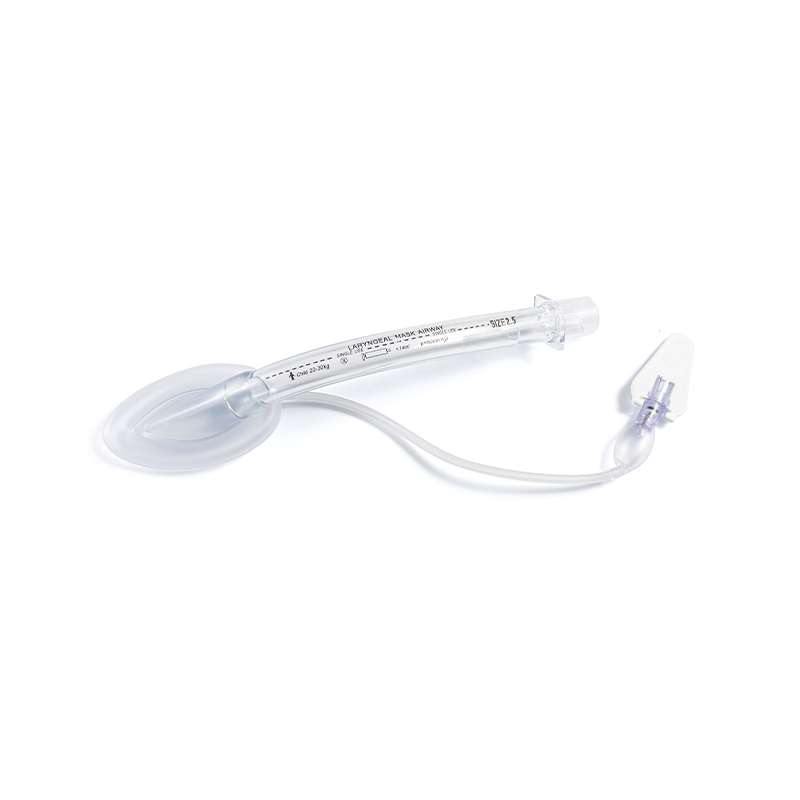
In some patients, the OPA is neither appropriate nor sufficient. A patient who is completely unresponsive with no gag reflex may still be difficult to ventilate, especially if upper airway obstruction persists or compliance is low. In these cases, a supraglottic airway such as a laryngeal mask airway (LMA) is a reasonable next step. The LMA sits above the glottis and provides a better seal for positive-pressure ventilation than an OPA or NPA alone. For sizing, insertion technique, and troubleshooting guidance, our laryngeal mask airway guide covers the essential steps in detail.
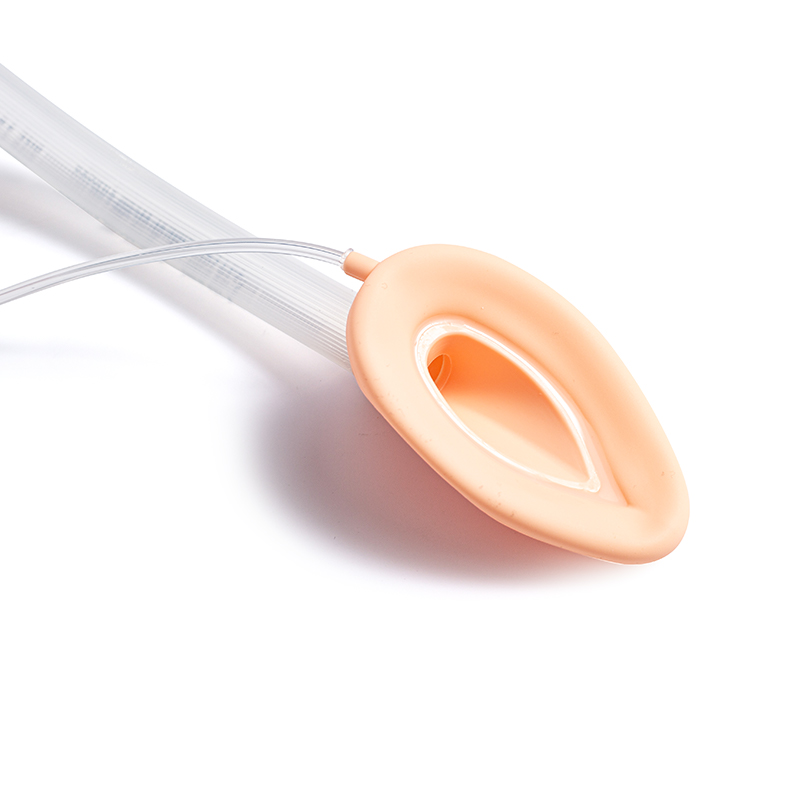 Standard Silicone Laryngeal Mask AirwayThis silicone supraglottic airway provides a reliable seal for positive-pressure ventilation when basic airways fail, serving as a practical next step before endotracheal intubation in unresponsive patients.View Product →
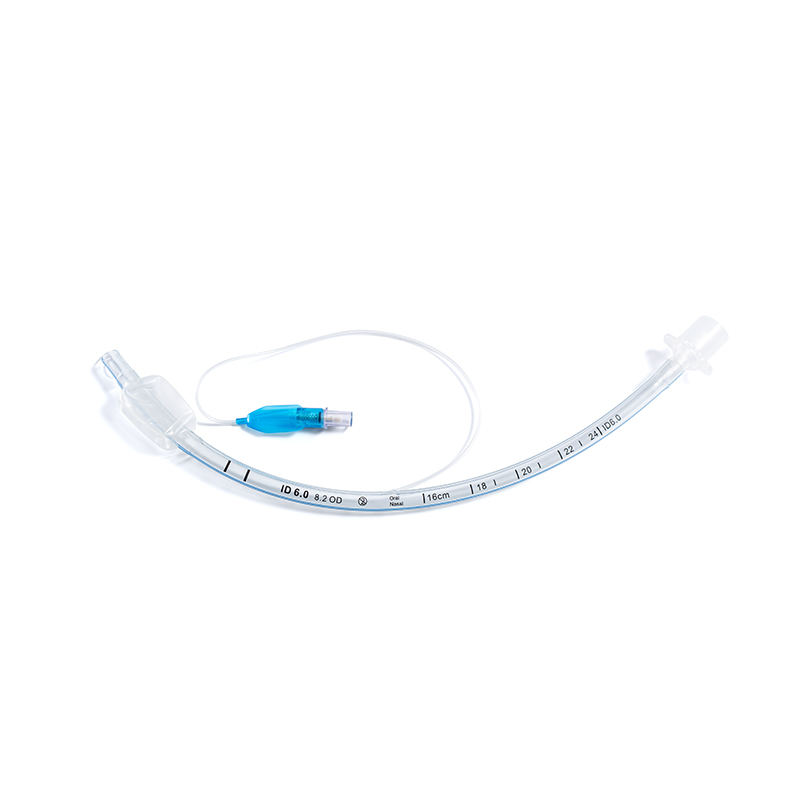
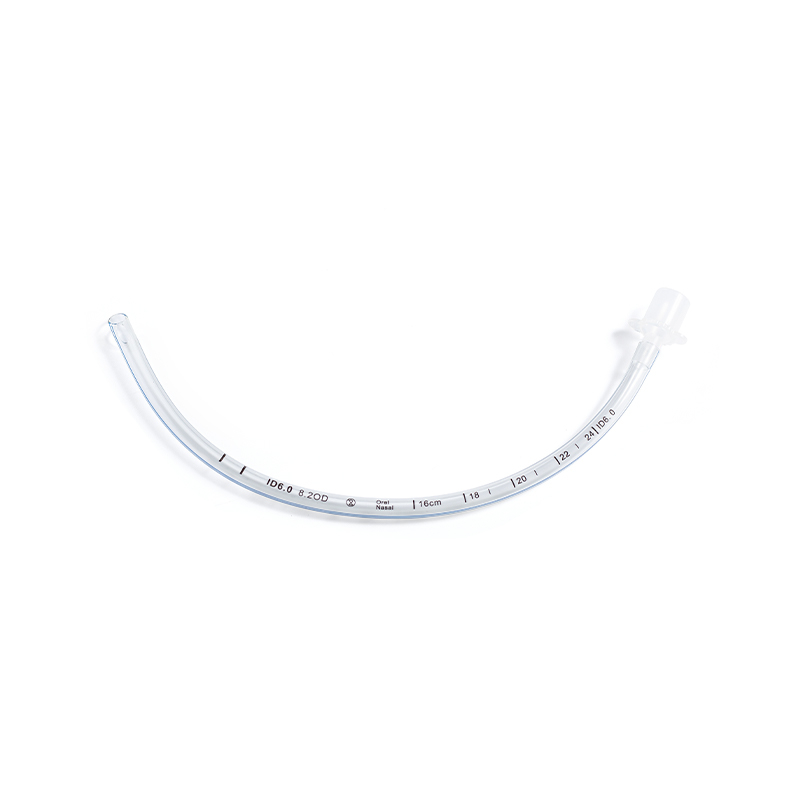
When a supraglottic device is also insufficient, or when the patient is at high risk of aspiration, endotracheal intubation is the definitive approach. The decision to move to intubation depends on oxygenation, ventilation, airway protection, and the expected clinical course. These advanced options are not interchangeable with an OPA; they require more training, more experience, and more careful monitoring.
The contraindications to OPA use are not complicated, but they are easy to overlook during a stressful resuscitation. The key points to remember:
Getting these decisions right reduces the risk of aspiration, laryngospasm, and iatrogenic airway trauma. If you are evaluating airway management devices for your facility or need specification details, contact our team for assistance.
Product Categories
Contact Us

+86-571-87687066
+86-18106505367

Workshop 1, 1st Floor(Zone B), 3rd Floor; Office Building 3rd&4th Floors, No. 550 Yinhai Street, Baiyang Sub-district, Qiantang District, Hangzhou City, Zhejiang Province, P.R.China
Ready to Begin?
Get in Touch

Now!

sungood

 English
 Español