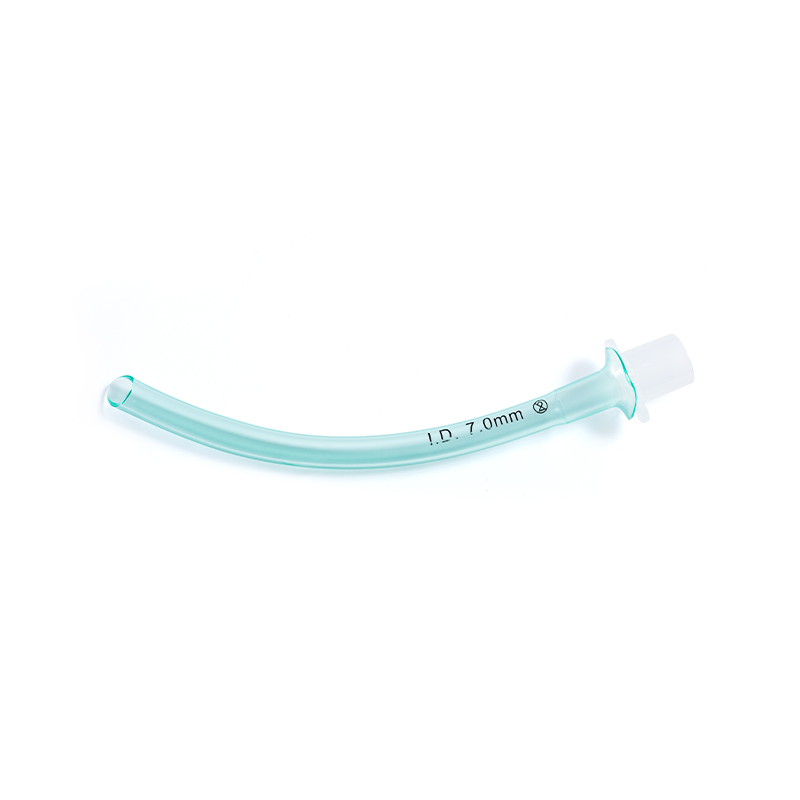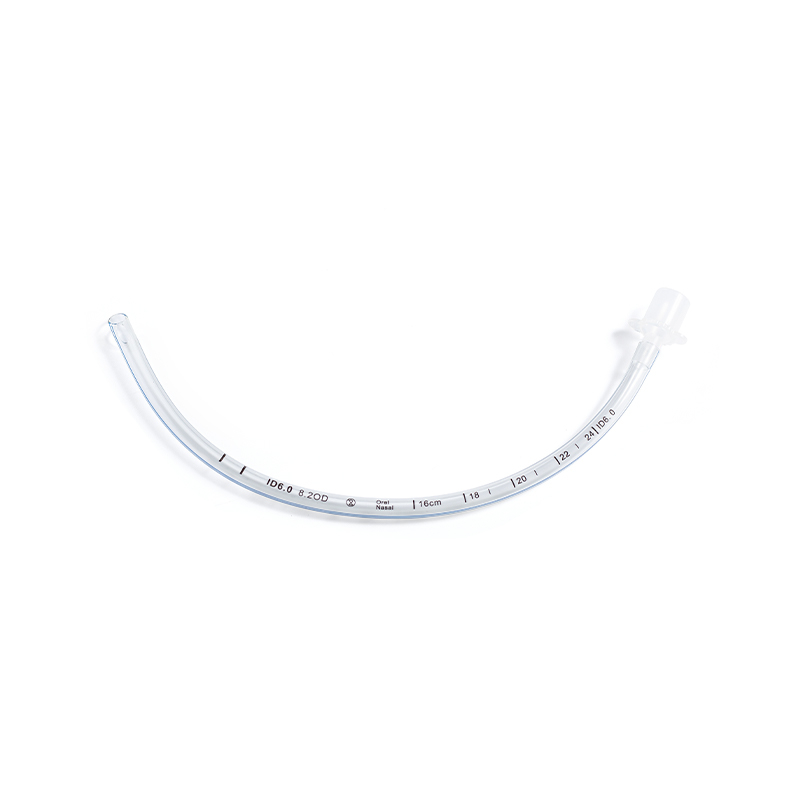

Home / News / Industry News / LEMON Airway Assessment: Scoring Criteria, Limitations, and Device Selection
Content
A 58-year-old with a short, thick neck, a full beard, and a mouth that opens barely two finger-breadths arrives in the resuscitation bay with stridor and an oxygen saturation hovering in the high 80s. Nothing about that picture is subtle. Yet the same airway can look unremarkable during a two-second glance across a crowded department, which is exactly why structured bedside screening exists. The LEMON airway assessment takes under a minute and gives the team a shared, defensible reason to call for help early, choose a different device, or move to an awake technique before the first blade goes in.
The short answer first: LEMON is a screening mnemonic, not a prediction rule. A negative screen does not guarantee an easy laryngoscopy, and a positive screen does not mean intubation will fail. What it does reliably is force five specific observations into the pre-procedure conversation, so that equipment, positioning, and personnel are chosen on evidence rather than optimism.
The mnemonic was popularised in emergency airway teaching in the early 2000s and has been re-examined in the literature since, usually with the same conclusion: no single letter predicts difficulty on its own, but the combination raises or lowers your index of suspicion in a way that is easy to teach and easy to hand over at shift change.
| Letter | What you assess | Findings that raise concern |
|---|---|---|
| L | Look externally at the face, mouth, and neck | Facial trauma, large or loose incisors, prominent overbite, beard, macroglossia, short thick neck |
| E | Evaluate the 3-3-2 rule using the patient's own finger-breadths | Mouth opening under 3 breadths, thyromental distance under 3 (roughly 6 cm), hyoid-to-thyroid notch under 2 |
| M | Mallampati score, seated, mouth open, tongue out, no phonation | Class III or class IV, where the soft palate base or the whole soft palate is hidden |
| O | Obstruction of the upper airway | Stridor at rest, epiglottitis, peritonsillar collection, tumour, foreign body, previous neck surgery or radiotherapy |
| N | Neck mobility and the achievable sniffing position | Rigid collar, fused or arthritic cervical spine, short muscular neck, limited chin-to-chest movement |
Two details are easy to overlook. First, the 3-3-2 rule uses the patient's finger-breadths, not the clinician's; a large adult hand measured against a small adult jaw will over-call difficulty. Second, the Mallampati score is only valid in the position it was described in: sitting upright, mouth maximally open, tongue protruded, and no phonation. Scoring a supine, semi-conscious patient produces a number that means very little.
The assessment is sequential and takes less time to perform than to describe. Work through the letters in order and speak each finding aloud so that a colleague can confirm or challenge it.
Record the result and repeat the assessment if anything changes, particularly after induction of anaesthesia, when the anatomy you assessed in the sitting position no longer applies.
A positive screen should alter behaviour, not just paperwork. In practice that means preoxygenating with a well-sealed mask and considering apnoeic oxygenation, positioning the patient with the external auditory meatus level with the sternal notch where the neck allows it, assigning explicit roles for the airway operator and the cricoid or laryngeal assistant, and bringing the second-line equipment into the room before induction rather than after the first failed attempt.
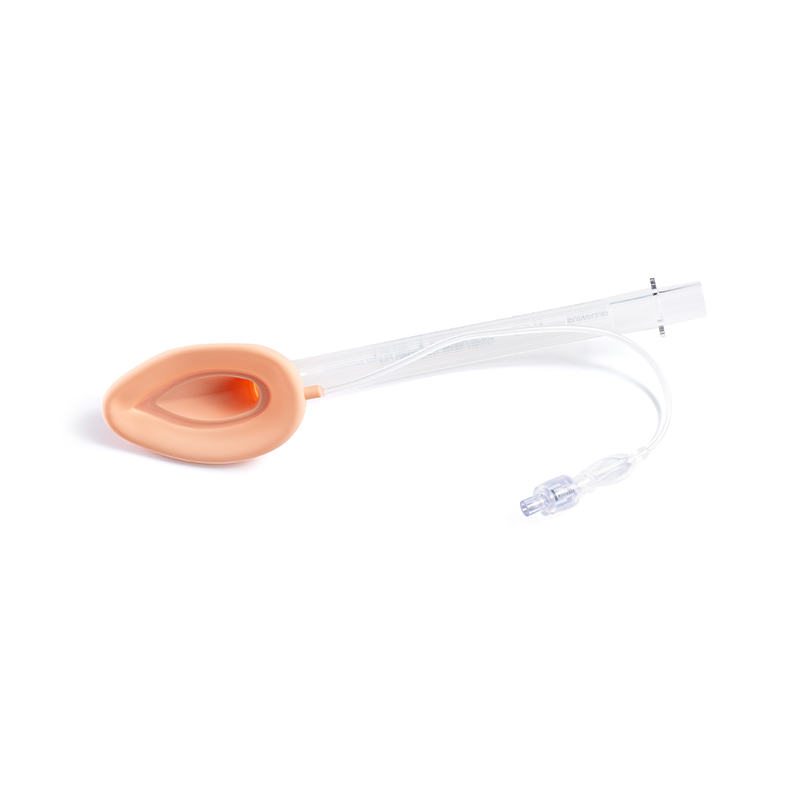
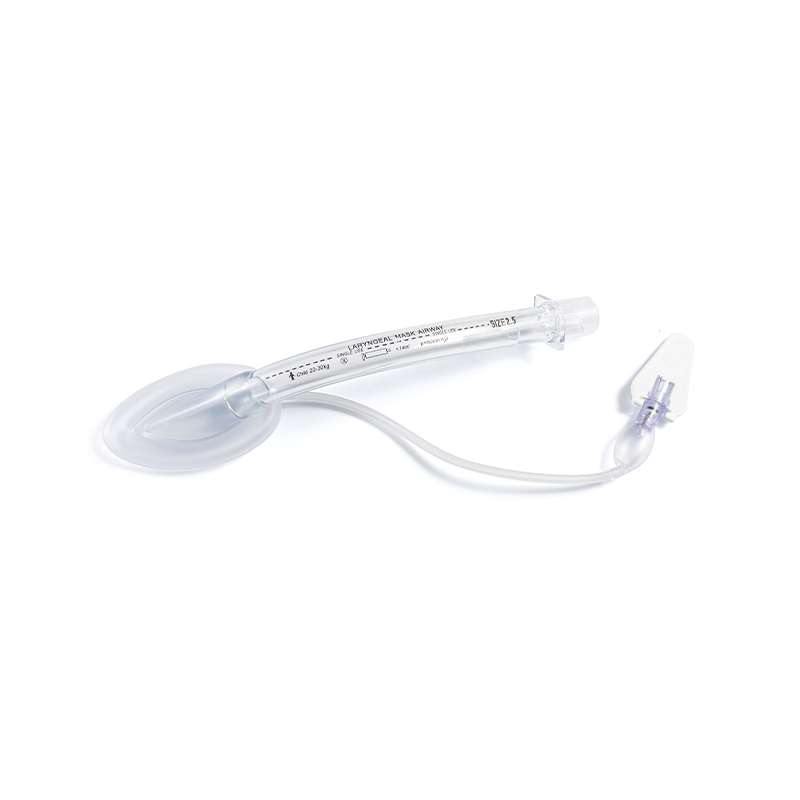
A workable structure is plan A for direct or videolaryngoscopy, plan B for a supraglottic rescue device, plan C for face-mask ventilation with adjuncts, and plan D for front-of-neck access. Each step should be named with a device in mind. A second-generation supraglottic airway with a gastric channel and an integrated cuff pressure monitoring port lets you confirm seal pressure rather than guess it, which matters when the airway has already been difficult. That combination of a gastric access channel and a pressure monitoring line has become a standard request from anaesthesia and emergency procurement teams.
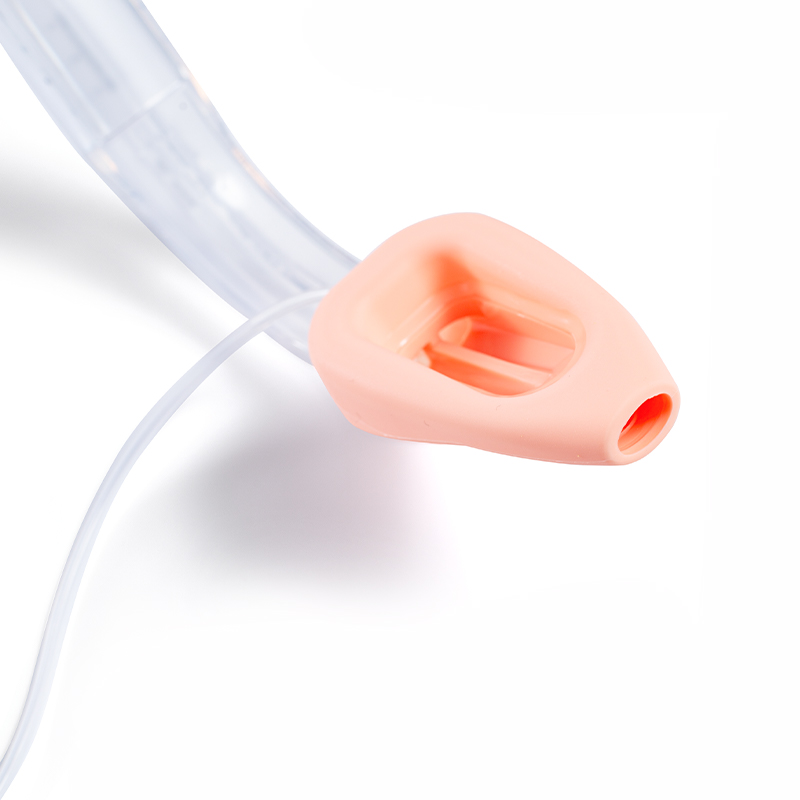 Cuff Pressure Monitoring Laryngeal Mask AirwayPressure-indicating silicone supraglottic airway for anesthesia, emergency, and ICU use; real-time cuff pressure display helps confirm seal pressure when difficult airway planning demands it.View Product →
Sizing matters as much as design. An undersized supraglottic device leaks and sits poorly; an oversized one may not seat at all. Step-by-step sizing and insertion guidance for laryngeal mask airways is worth reviewing before you rely on the device under pressure.
Individual bedside tests perform modestly in isolation. Mallampati scoring, for instance, is commonly reported with sensitivity in the region of 50 to 60 percent for difficult laryngoscopy, and inter-observer agreement between experienced clinicians is far from perfect. The 3-3-2 rule and thyromental distance are more reproducible but still imperfect. LEMON combines these tests, which improves the overall picture without turning it into a rule that can clear a patient.
Three consequences follow. First, a reassuring LEMON screen never removes the obligation to have a failed-intubation plan. Second, an experienced clinician's overall impression performs comparably to composite scores, so use the mnemonic to structure that impression rather than to replace it. Third, other mnemonics cover the domains LEMON does not: mask ventilation, supraglottic device placement, and cricothyrotomy each have their own predictors, and a complete pre-assessment touches all four.
Point-based versions of LEMON have been proposed to make the result easier to trend, and airway ultrasound measures such as hyomental distance ratios and pre-epiglottic space depth are under active study as adjuncts. Neither replaces the bedside examination today. The value of the mnemonic lies in the structured rehearsal it triggers, not in the arithmetic.
Once the screen is complete, let the findings drive the tray. A few combinations recur often enough to plan for in advance.
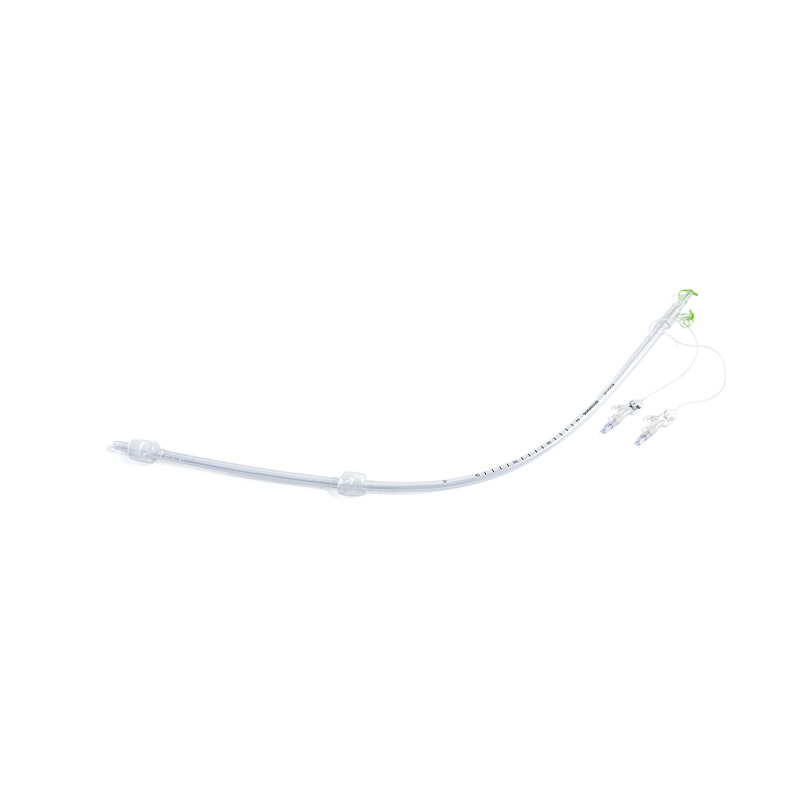
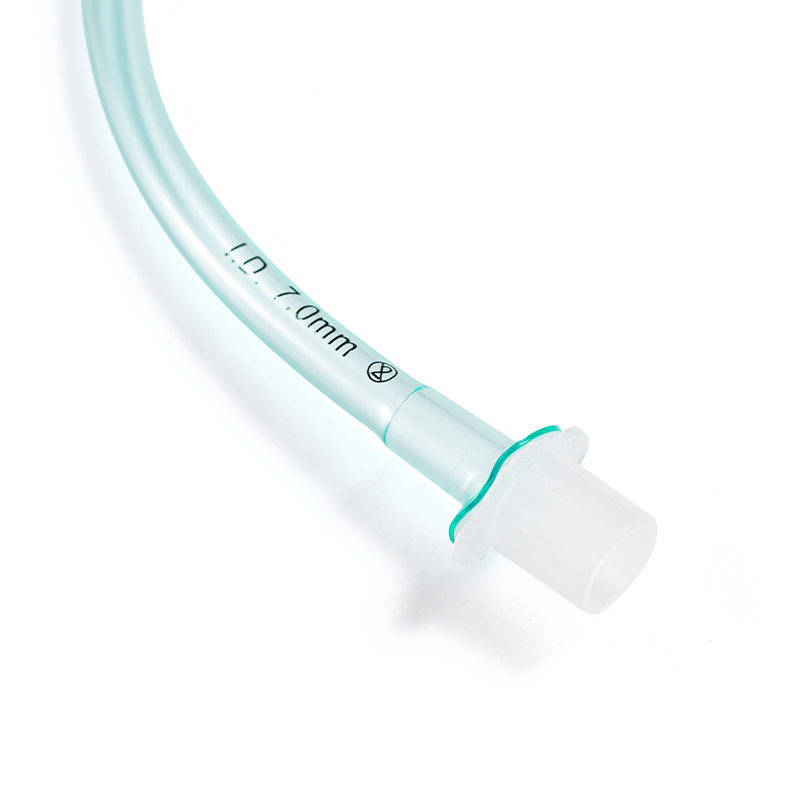
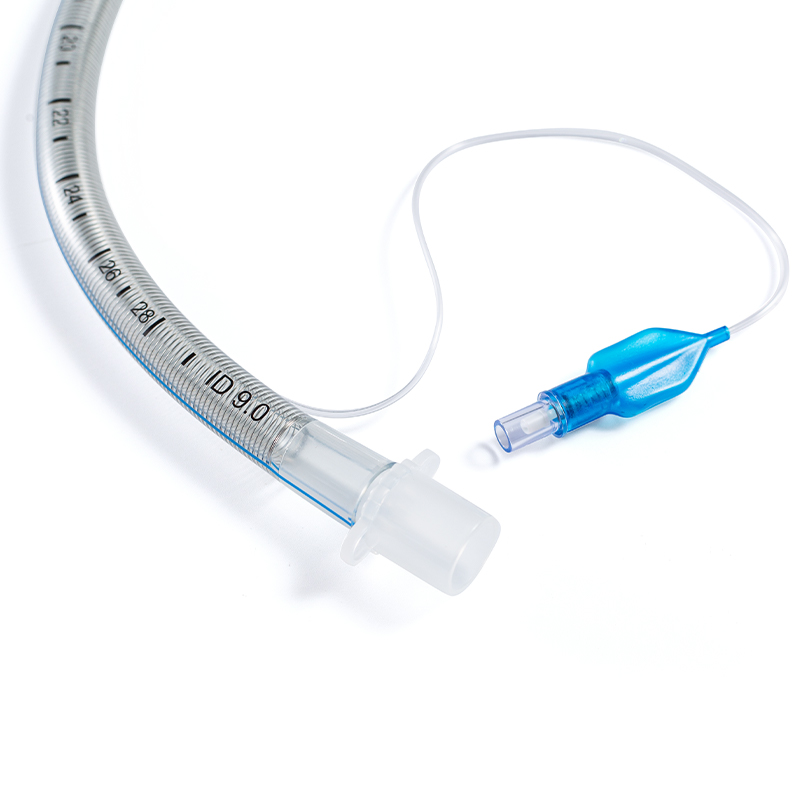 Spiral Reinforced Cuffed Endotracheal TubesMetal-reinforced tubes with low-pressure high-volume cuffs and universal connectors, useful for anesthesia, ICU, and difficult airway trays requiring consistent sizing.View Product →
  Single-Use Nasopharyngeal Airway for Airway PatencyDisposable nasopharyngeal airway in adult, child, and infant sizes, useful for trismus or limited mouth opening and recurring airway tray combinations.View Product →
Consistency helps here. Working from a single supplier that can provide the laryngeal mask range, endotracheal tubes, and nasal airways together keeps sizing conventions and connector standards aligned across a department. SUNGOOD, the brand of Zhejiang Sungood Technology, has manufactured single-use airway devices from its Hangzhou base since 2006, with its broader anaesthesia and airway management range covering the categories above.
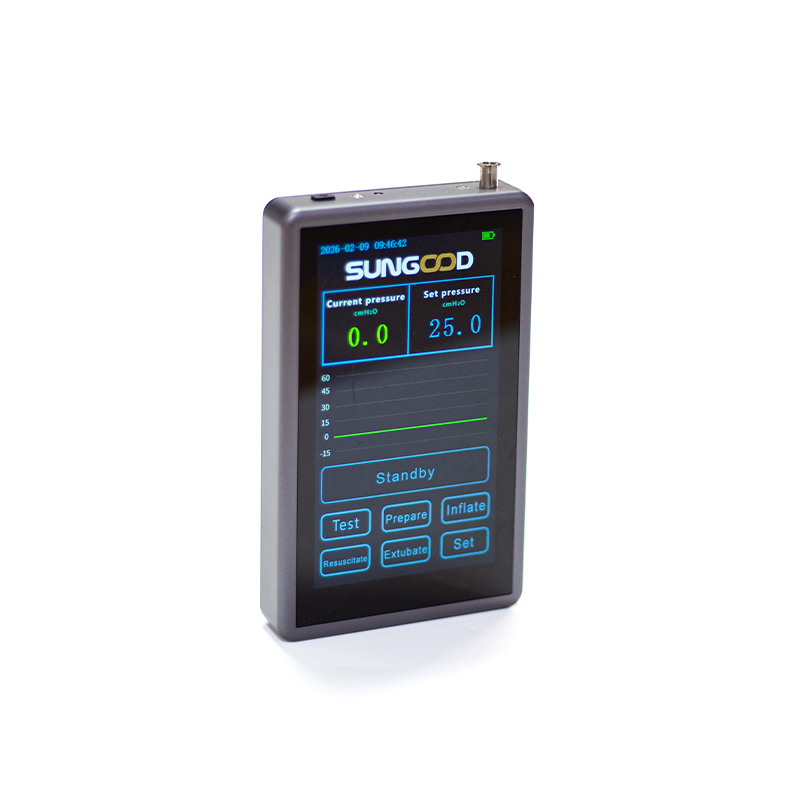
The assessment does not end when the tube or supraglottic airway is in place. Endotracheal tube cuffs are generally kept between 20 and 30 cmH2O, high enough to limit microaspiration and low enough to avoid mucosal ischaemia, while supraglottic cuff pressures are typically kept below 60 cmH2O. Syringe-feel estimation is unreliable in both cases; a manometer is the only way to know.
Two practical points follow. Nitrous oxide diffuses into cuff balloons over a long case and drives pressures upward, so a reading taken at induction is not a reading at the end of surgery. And cuff pressure monitoring systems are now specified alongside the device itself in many tenders, which means procurement decisions made today determine whether the check is easy or awkward at the bedside tomorrow.
LEMON earns its place because it converts a vague sense that "this airway looks tricky" into five named observations that a colleague can verify, teach, and act on. Performed in the right position, with the patient's own finger-breadths and honest documentation, it supports earlier escalation, better device selection, and clearer handover.
Treat it as a prompt rather than a verdict. Screen every patient before induction, plan beyond the first attempt, confirm cuff pressures with a manometer, and reassess whenever the patient's position or clinical condition changes.
Product Categories
Contact Us

+86-571-87687066
+86-18106505367

Workshop 1, 1st Floor(Zone B), 3rd Floor; Office Building 3rd&4th Floors, No. 550 Yinhai Street, Baiyang Sub-district, Qiantang District, Hangzhou City, Zhejiang Province, P.R.China
Ready to Begin?
Get in Touch

Now!

sungood

 English
 Español