
Home / News / Industry News / What Is a Nasopharyngeal Airway? Definition, Sizing, and Insertion Steps
Content
A patient in the emergency department breathes with a loud, snoring pattern after a seizure. The tongue has relaxed against the back wall of the throat, and the upper airway is partially obstructed. This common situation is resolved within seconds by the nasopharyngeal airway — a small curved tube also called a nasal trumpet. Clinicians who understand what this device is, how to select the correct size, and how to insert it safely can prevent many airway emergencies before they escalate.
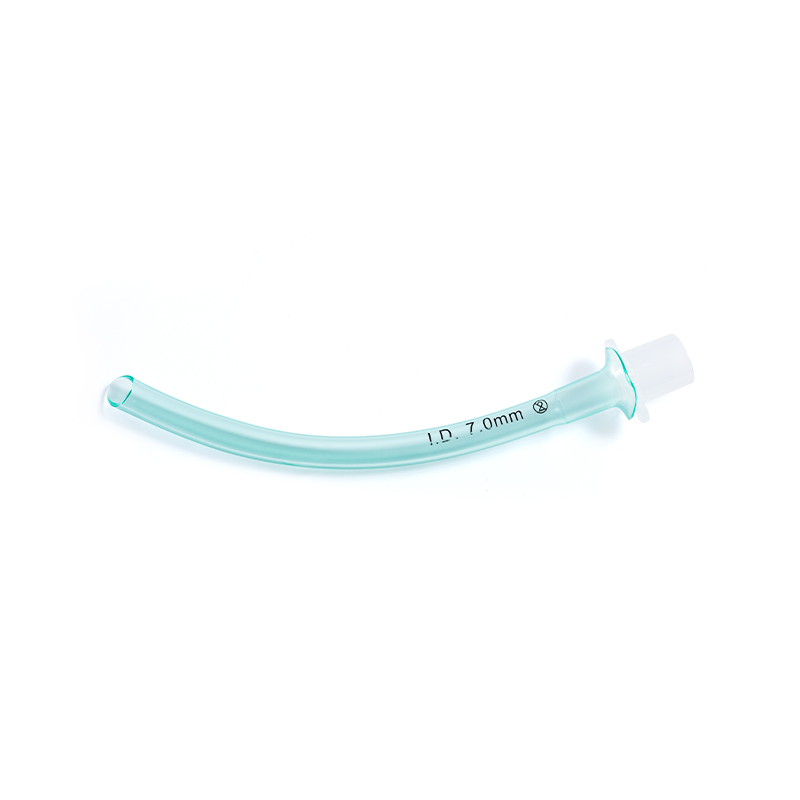
A nasopharyngeal airway (NPA) is a hollow tube made of soft, medical-grade plastic, silicone, or rubber. It is inserted through the nostril and advanced along the floor of the nasal cavity until the distal tip sits in the posterior pharynx, just behind the base of the tongue. Because the tube creates a stable channel through the nasal cavity and into the pharynx, it bypasses the tongue and soft palate, restoring airflow even when the pharyngeal muscles have lost tone.
Two design features explain why the device works. The patient end is beveled, so it follows the natural curve of the nasal passage instead of catching on tissue. The external end is flared, which prevents the device from slipping completely into the airway and gives the clinician a port for oxygen tubing or a ventilation circuit. NPAs are intended for single use and should be supplied sterile; the nasal mucosa is highly vascular, so a smooth surface and soft, kink-resistant body reduce insertion trauma and improve patient comfort.
For clinicians and purchasing teams comparing disposable airways, a single-use nasopharyngeal airway with a rounded beveled tip and a stable flared connector simplifies insertion and lowers the risk of complications in both planned procedures and emergency response.
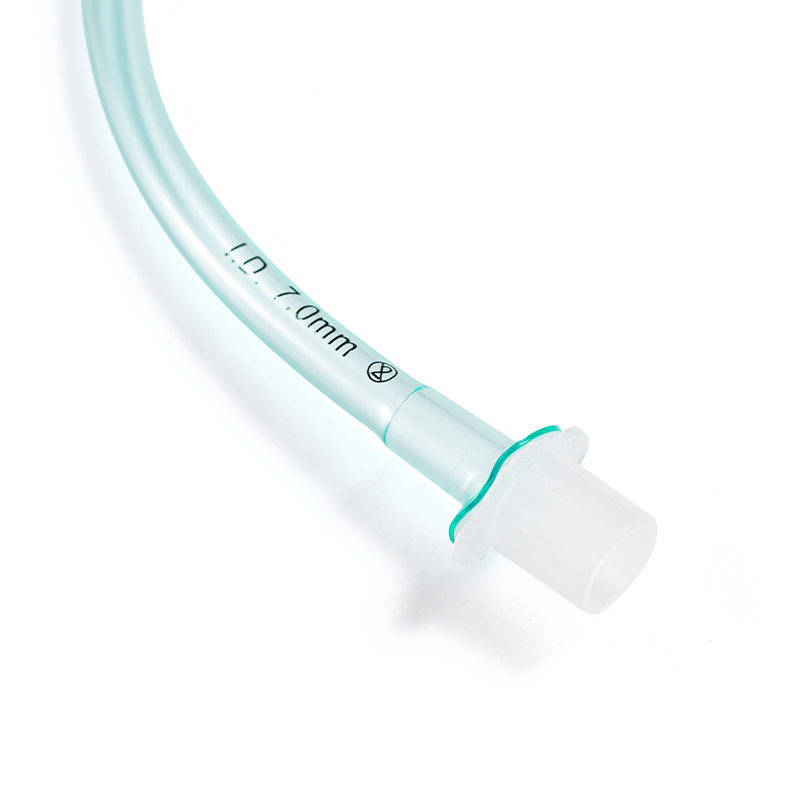 Single-Use Nasopharyngeal Airway Suppliers, Custom Factory - Zhejiang Sungood TeSungood is China Single-Use Nasopharyngeal Airway Suppliers and Custom Single-Use Nasopharyngeal Airway Factory,Main IndicationsNasophary...View Product →
The NPA is indicated when the upper airway is at risk of obstruction but the patient still has active airway reflexes. It is often the first adjunct chosen in the clinical scenarios described below.
Suspected or confirmed basilar skull fracture is the most important contraindication to NPA placement. In these patients, the tube can pass through the cribriform plate and enter the cranial cavity, causing catastrophic injury.
Additional contraindications include cerebrospinal fluid (CSF) leakage from the nose, coagulopathy or current anticoagulant therapy, and active or recurrent epistaxis. Relative contraindications are nasal obstruction, significant septal deviation, nasal polyps, a foreign body in the nasal cavity, and recent nasal surgery. In each of these situations, the care team should select an alternative airway device unless the obstruction is limited to the oropharynx and no other option exists.
Correct sizing is the difference between a comfortable, effective airway and a painful, ineffective one. An oversized tube compresses the nasal mucosa and can cause ischemia; an undersized tube will not hold the tongue away from the pharyngeal wall.
NPA diameter is expressed in French units (Fr), which correspond approximately to the outer circumference in millimeters. Clinical sizes range from 12 Fr for neonates to 36 Fr for very large adults. The internal diameter, which determines how much air can pass, is roughly one quarter of the French size.
| French size (Fr) | Approximate internal diameter | Typical patient |
|---|---|---|
| 12 Fr | 3.0 mm | Neonate |
| 16-18 Fr | 4.0-4.5 mm | Infant and toddler |
| 20-22 Fr | 5.0-5.5 mm | Child |
| 24-26 Fr | 6.0-6.5 mm | Small adult |
| 28-30 Fr | 7.0-7.5 mm | Average adult |
| 32-34 Fr | 8.0-8.5 mm | Large adult |
To estimate the correct length, hold the device beside the patient's face with the flared end at the nostril. The beveled tip should reach the angle of the mandible, roughly level with the earlobe. If the tube is too short, it fails to bypass the tongue. If it is too long, the tip can irritate the larynx or enter the esophagus.
Insertion should always be gentle and deliberate. The following sequence is consistent with standard clinical guidelines:
Some guidelines recommend a topical vasoconstrictor, such as phenylephrine nasal spray, in patients with a history of nosebleeds. This precaution does not replace a gentle technique, but it can reduce the likelihood of bleeding.
Epistaxis is the most common complication of nasopharyngeal airway use. The nasal mucosa is densely vascular, and any rough contact with the septum or turbinates can cause bleeding. Generous lubrication, correct bevel orientation, and choosing one size smaller when there is doubt reduce the risk significantly.
The key prevention rule is simple: if the tube does not advance smoothly, stop and re-evaluate. Forcing an NPA can tear the nasal mucosa, trigger severe bleeding, or create a false passage in submucosal tissue.
Other complications include kinking or blockage by secretions, sinusitis and mucosal ulceration with prolonged use, pressure necrosis of the nostril margin if the tube is secured too tightly, and, rarely, laryngospasm or esophageal placement when the device is too long. Humidified oxygen, routine suctioning, and daily inspection of the nares are the standard preventive measures.
An NPA is not a set-and-forget device. It needs regular monitoring whenever it remains in place for more than a few hours.
The tube must be fixed so that it cannot migrate deeper or be accidentally pulled out. In patients who need an NPA for longer than 24 to 48 hours, rotate the device to the other nostril periodically and inspect the nasal tissue for pressure marks, ulceration, or necrosis.
Suction the lumen as needed to remove secretions, and use humidified oxygen to prevent drying and crusting inside the tube. Document the French size, insertion depth, and patient tolerance in the clinical record at each shift.
Remove the NPA as soon as the patient can maintain airway patency on their own, usually when consciousness and protective reflexes have returned. If the respiratory status worsens, escalate to a supraglottic airway device or an endotracheal tube rather than continuing with partial support.
The nasopharyngeal airway is the least invasive pharyngeal adjunct after manual positioning. Compared with an oropharyngeal airway, it is better tolerated in patients who may bite or gag, and it can be used while the patient lies in the lateral recovery position.
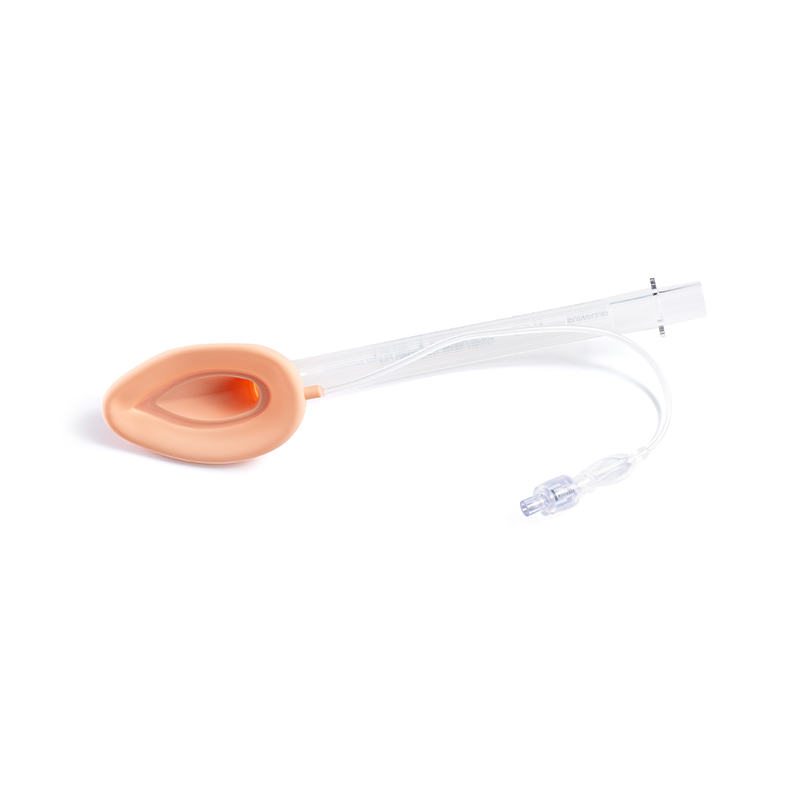
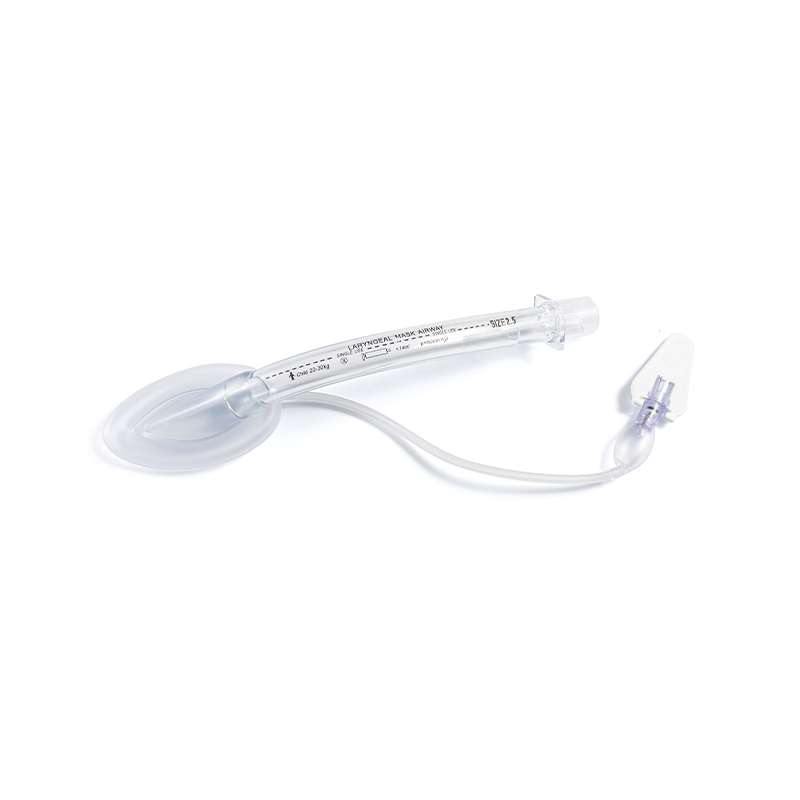
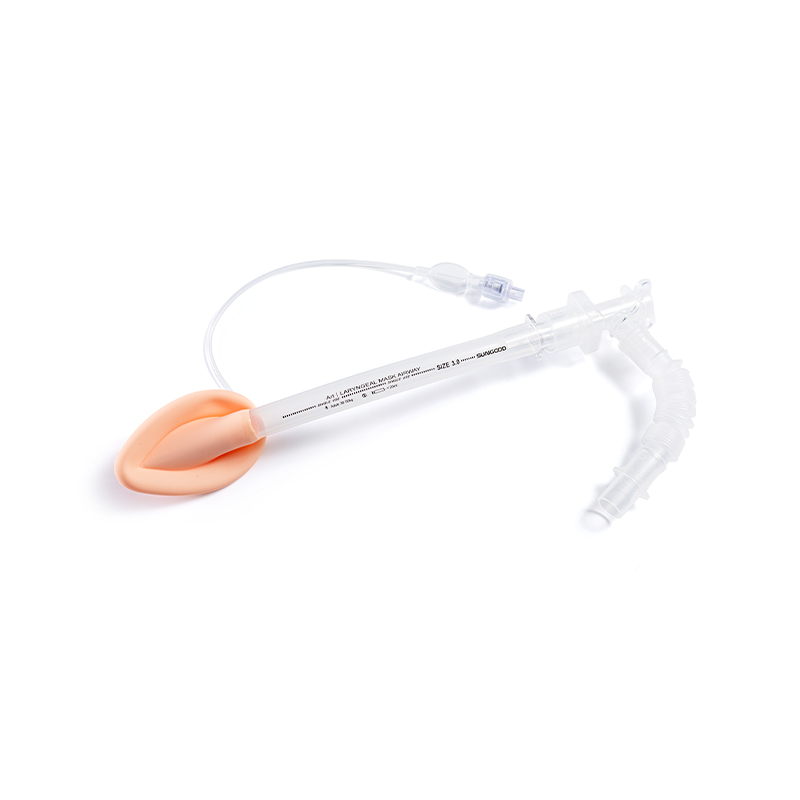
When the level of consciousness drops further, or when positive-pressure ventilation becomes necessary, the team escalates to a supraglottic device. A standard PVC laryngeal mask airway forms a seal around the glottis and supports hands-free ventilation.
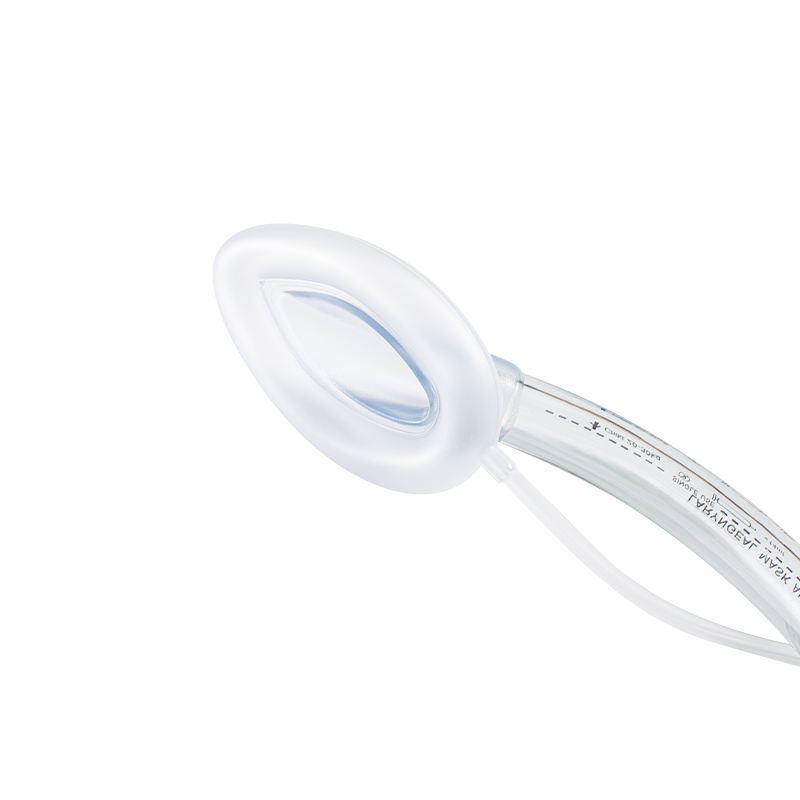 Standard PVC Laryngeal Mask Airway Suppliers, Custom Factory - Zhejiang Sungood Sungood is China Standard PVC Laryngeal Mask Airway Suppliers and Custom Standard PVC Laryngeal Mask Airway Factory,Product IndicationsSt...View Product →
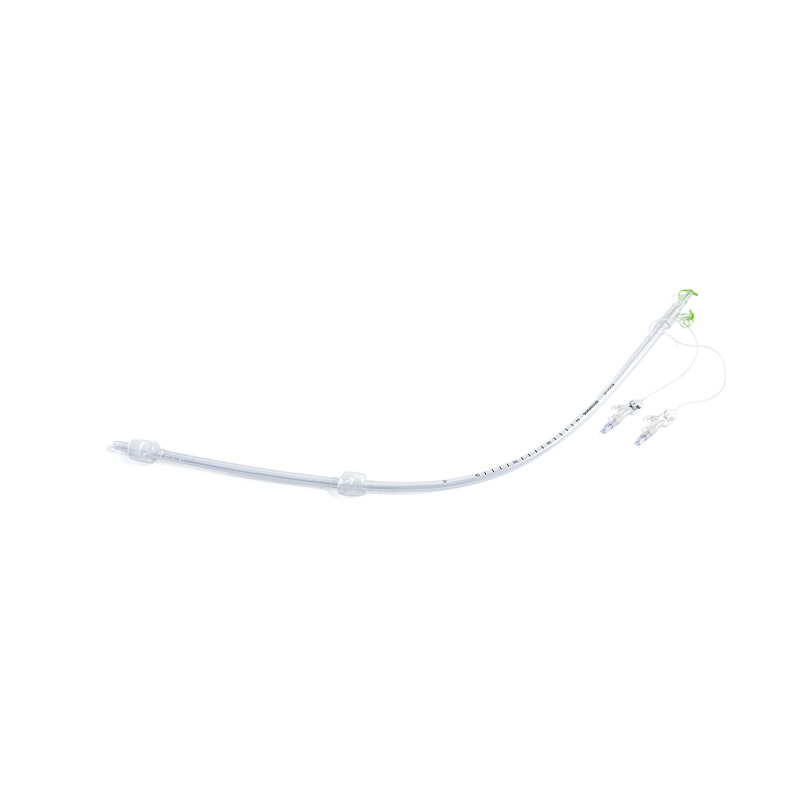
If the priority shifts to protection against aspiration, or if ventilation through a supraglottic device is inadequate, the next step is a standard cuffed endotracheal tube. The choice between these devices depends on the patient's airway reflexes, the urgency of the situation, and the equipment available at the bedside.
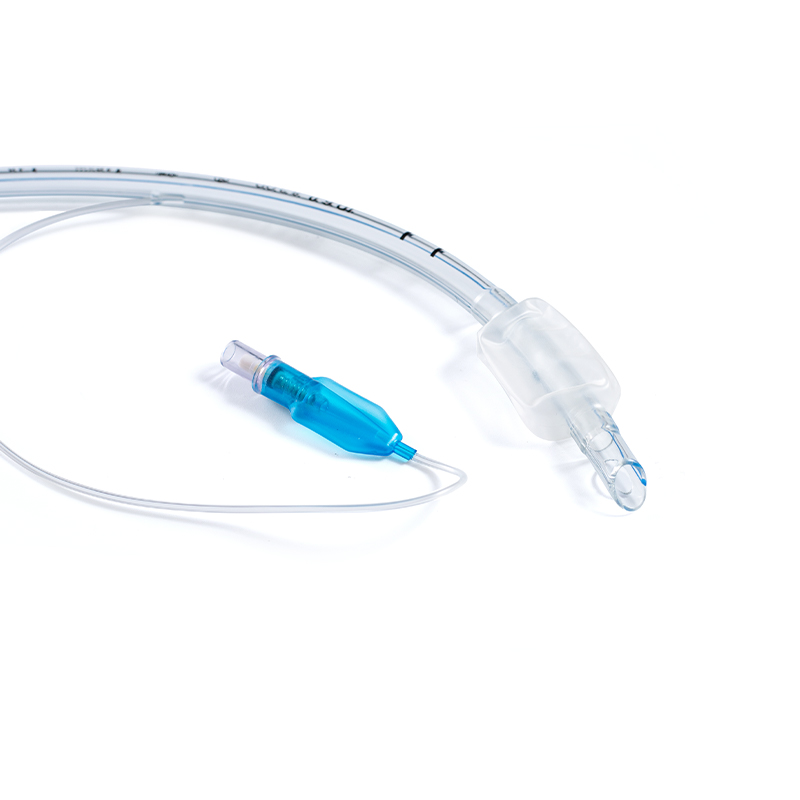 Accurate Positioning Design Standard Cuffed Endotracheal Tube Suppliers, Custom Sungood is China Accurate Positioning Design Standard Cuffed Endotracheal Tube Suppliers and Custom Accurate Positioning Design Standard ...View Product →
No single device covers every airway scenario. A complete portfolio of disposable respiratory and anesthesia products with consistent quality and sizing helps clinical teams move confidently from one level of the airway ladder to the next.
The nasopharyngeal airway is a simple tool, but its performance depends on precise sizing, gentle insertion, and sound manufacturing. A poorly finished tip or a kink-prone body can turn a routine procedure into an airway emergency. This is why SUNGOOD produces airway management devices with careful attention to material selection, surface smoothness, and dimensional consistency, supported by CE and ISO 13485 quality systems.
For hospitals, distributors, and group purchasing organizations reviewing airway consumables, clinical behavior matters as much as price. If you need specification sheets, packaging details, or help selecting an airway product range, contact SUNGOOD and the team will provide the documentation you need.
Product Categories
Contact Us

+86-571-87687066
+86-18106505367

Workshop 1, 1st Floor(Zone B), 3rd Floor; Office Building 3rd&4th Floors, No. 550 Yinhai Street, Baiyang Sub-district, Qiantang District, Hangzhou City, Zhejiang Province, P.R.China
Ready to Begin?
Get in Touch

Now!

sungood

 English
 Español