
Home / News / Industry News / Recognizing Upper Airway Obstruction Signs in PALS: A Practical Guide for Clinicians
Content
In Pediatric Advanced Life Support (PALS), upper airway obstruction is not defined by one sound or one number. The most useful signs show increased work of breathing, reduced air movement, and a child who is tiring. Stridor at rest, suprasternal or intercostal retractions, nasal flaring, drooling, a muffled voice or cry, agitation followed by drowsiness, and a silent chest are red flags. Drowsiness and silence can mean the obstruction is nearing completion, not that the child is improving.
When clinicians ask what the signs of upper airway obstruction in PALS are, the practical answer is a cluster of observation findings rather than a single diagnostic test. Look for the following:
A child can have severe upper airway obstruction without loud stridor. If air movement is poor, the noise may disappear. That is why PALS assessment emphasizes work of breathing, air entry, mental status, and oxygenation together.
Young children have a small airway caliber, a compliant chest wall, and limited respiratory reserve. A modest amount of swelling or a small foreign body can produce marked resistance. The child may maintain oxygenation for a while by breathing faster and working harder, then fatigue suddenly. PALS teaches a structured assess-identify-intervene sequence, and in upper airway obstruction, calm observation is part of that sequence. Agitation, forced positioning, and unnecessary throat inspection can worsen obstruction.
Position of comfort matters. A child who prefers to sit upright or lean forward should not be forced supine. If epiglottitis or a deep neck infection is suspected, avoid examining the throat unless the airway is controlled by an experienced team.
Severity is judged by work of breathing, air entry, mental status, and oxygenation, not by noise alone. The table below is a practical frame for serial assessment.
| Severity | Typical signs | What it means | Immediate focus |
|---|---|---|---|
| Mild | Stridor mainly with crying or agitation; mild tachypnea; good air entry; normal mental status; no cyanosis | Partial obstruction with compensation | Keep the child calm, allow position of comfort, monitor closely, and identify the cause |
| Moderate | Stridor at rest; retractions; nasal flaring; agitation; reduced air entry; drooling or difficulty swallowing | Worsening obstruction and increasing fatigue | Urgent senior and airway support; minimize handling; give oxygen if tolerated; prepare equipment |
| Severe | Marked retractions; head bobbing; poor air entry; cyanosis; drowsiness; inability to speak or cry | Impending respiratory failure | Emergency airway management with PALS team; assist ventilation if needed; prepare advanced airway |
| Impending complete obstruction | Silent chest; minimal or no air movement; obtundation; bradycardia or apnea | Complete or near-complete obstruction | Immediate airway rescue and resuscitation |
Croup often produces a barking cough, hoarse voice, and inspiratory stridor that worsens with agitation. Symptoms may be worse at night. A child with croup who is drooling, toxic, or unable to swallow should be reassessed for another cause.
Foreign body obstruction often has a sudden onset during eating or play. Signs include choking, coughing, unilateral wheeze, decreased breath sounds, and stridor if the object is in the upper airway. A child who can speak or cry forcefully may have partial obstruction; a silent child with poor air movement needs immediate help.
Anaphylaxis can cause rapid upper airway swelling with stridor, voice change, drooling, and difficulty swallowing, often with skin or gastrointestinal findings. Angioedema may occur without urticaria. These are time-critical presentations.
Epiglottitis classically causes fever, drooling, muffled voice, tripod positioning, and anxiety. Cough is often absent. Deep neck infections may add neck stiffness, fever, and painful swallowing. Do not force a throat examination when these signs are present.
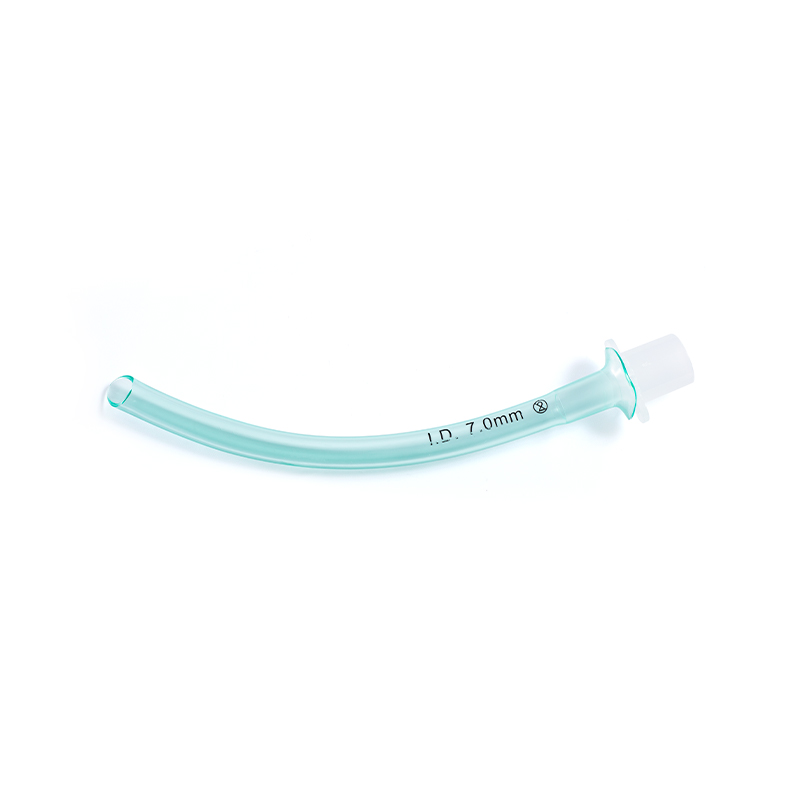
When upper airway obstruction progresses, equipment should be checked before it is needed. A nasopharyngeal airway can help maintain a patent upper airway in selected children, but sizing, contraindications, and the risk of bleeding must be considered. It is not a substitute for definitive management.
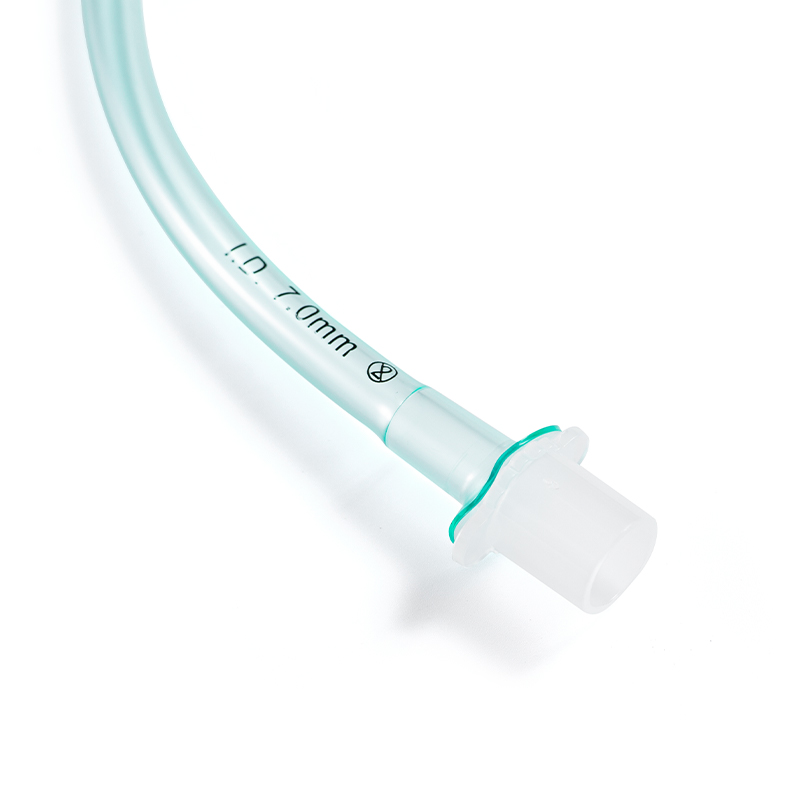 Single-Use Nasopharyngeal Airway for Upper Airway ObstructionDisposable nasopharyngeal airway for selected patients with upper airway obstruction; review sizing, contraindications, and bleeding risk before use.View Product →
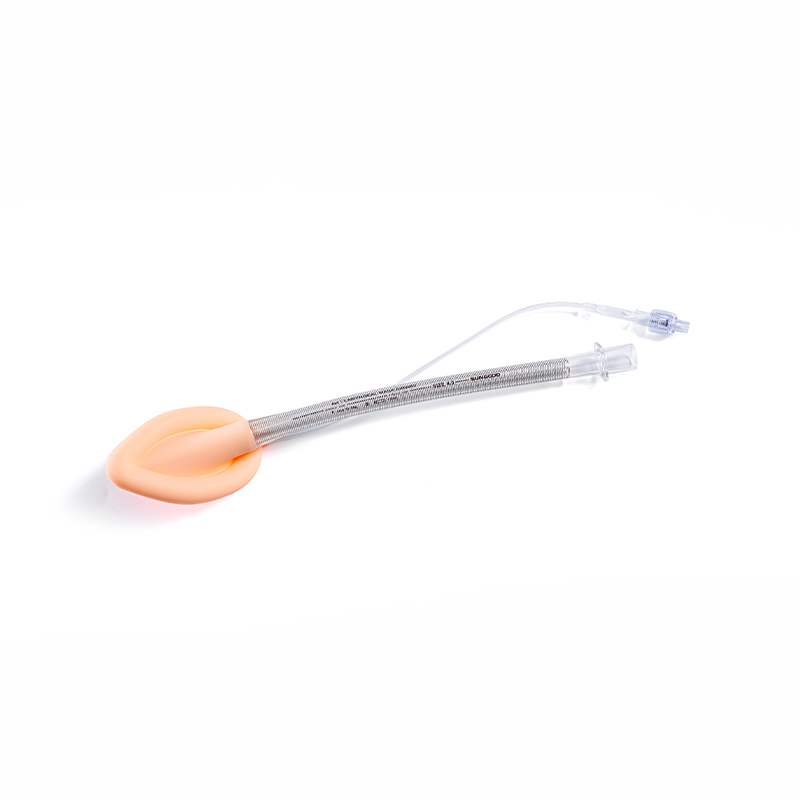
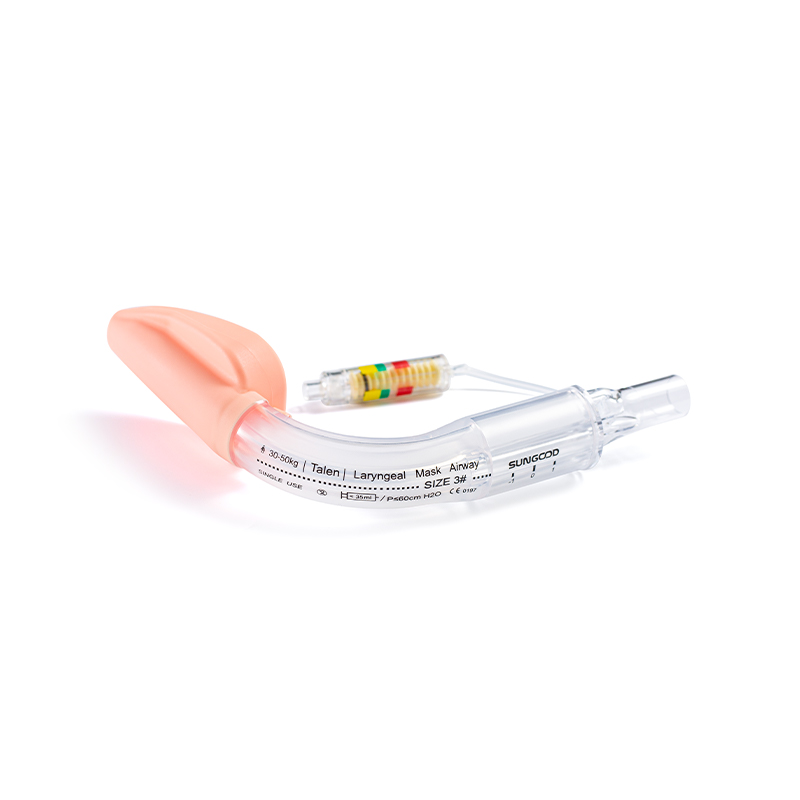
Supraglottic airways, including laryngeal mask airways, are used in some rescue and procedural settings. Sizing, cuff volume, and leak pressure should be verified before use. Teams reviewing selection points can consult this laryngeal mask sizing and safety guidance.
laryngeal mask sizing and safety guidance
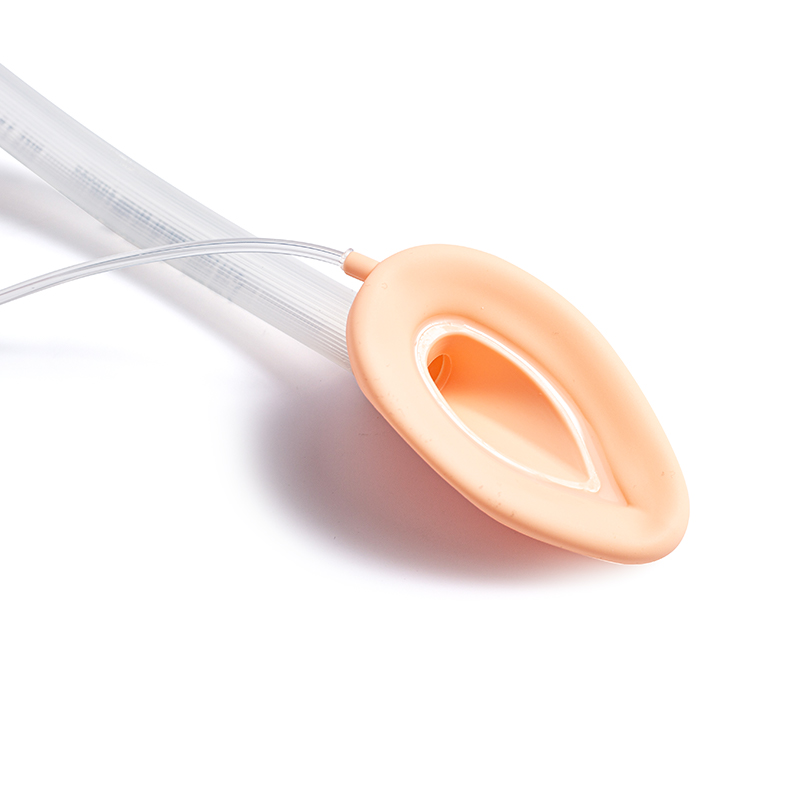 Standard Silicone Laryngeal Mask AirwaySupraglottic silicone airway for rapid temporary ventilation in anesthesia and emergency settings; check size and cuff volume before use.View Product →
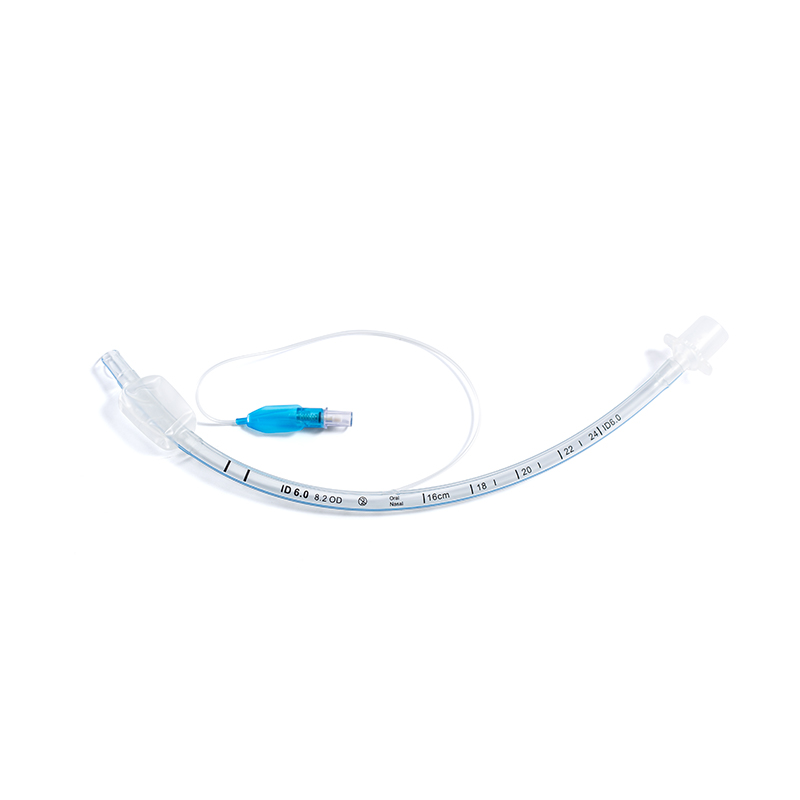
Endotracheal tubes remain the definitive advanced airway in many PALS scenarios. Uncuffed tubes are commonly used in young children, with attention to tube size, air leak, securement, and confirmation of placement.
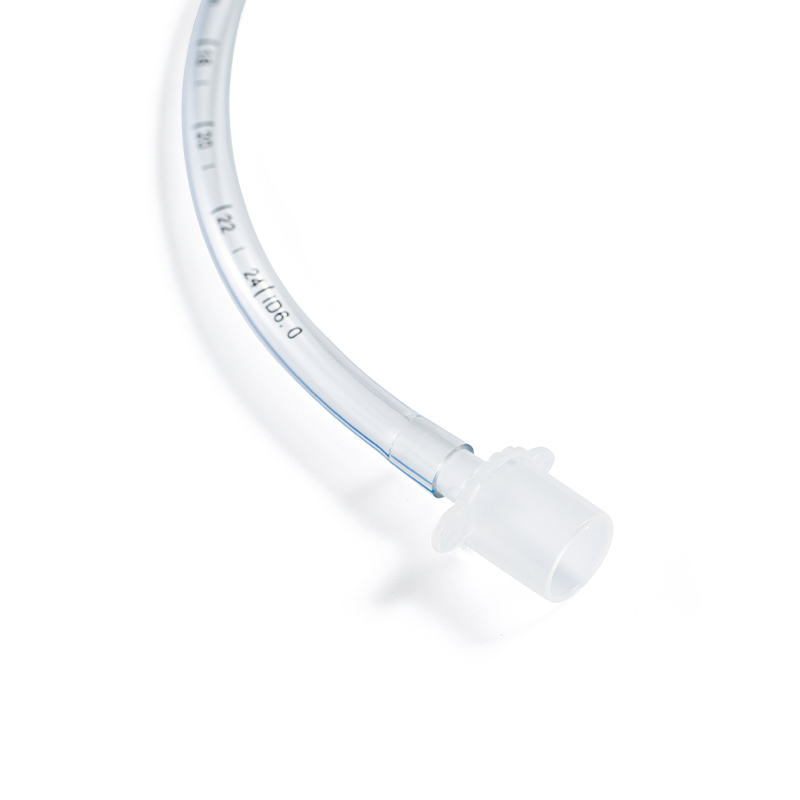 Standard Uncuffed Endotracheal Tube for Short-Term VentilationCuff-free endotracheal tube for short-term airway support in neonates, children, and adults; verify size, depth, and placement.View Product →
Document serial observations rather than a single snapshot: stridor at rest or with agitation, retraction severity, air entry, mental status, oxygen saturation, interventions, and response. Record the suspected cause and any equipment used. Escalate urgently for stridor at rest, worsening retractions, drooling, inability to speak or cry, silent chest, cyanosis, exhaustion, or altered mental status. A child who becomes quieter may be worse, not better.
The signs of upper airway obstruction in PALS are a pattern of increased effort, reduced air movement, and changing mental status. Stridor is important, but silence, drooling, retractions, and fatigue are often more dangerous. Keep the child calm, observe closely, prepare early, and treat impending obstruction as a resuscitation emergency.
Product Categories
Contact Us

+86-571-87687066
+86-18106505367

Workshop 1, 1st Floor(Zone B), 3rd Floor; Office Building 3rd&4th Floors, No. 550 Yinhai Street, Baiyang Sub-district, Qiantang District, Hangzhou City, Zhejiang Province, P.R.China
Ready to Begin?
Get in Touch

Now!

sungood

 English
 Español