Industry Knowledge
Clinical Selection Criteria for Laryngeal Mask Airway Sizes and Cuff Pressure Management
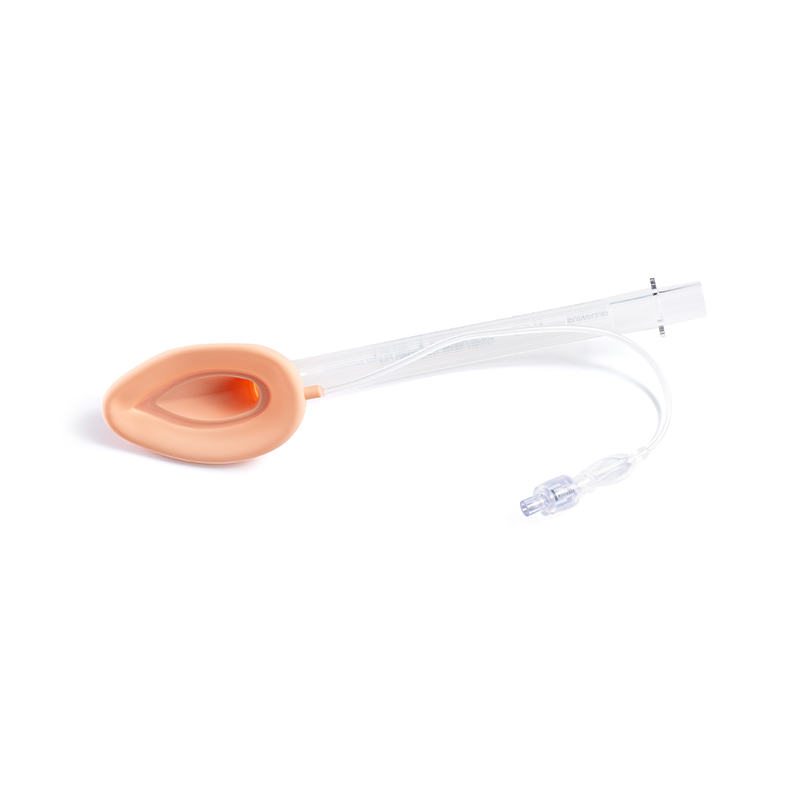
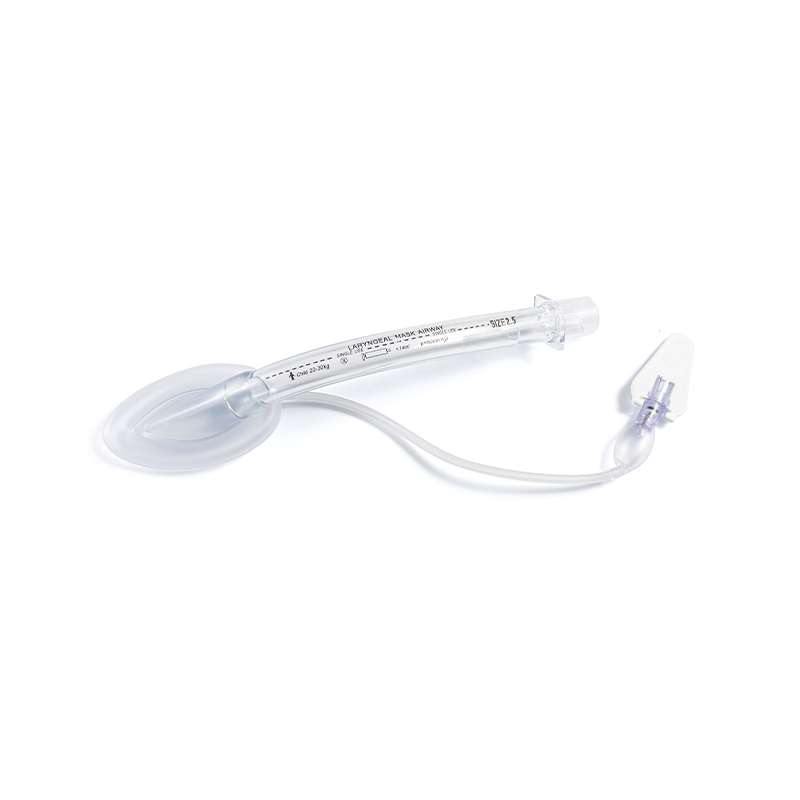
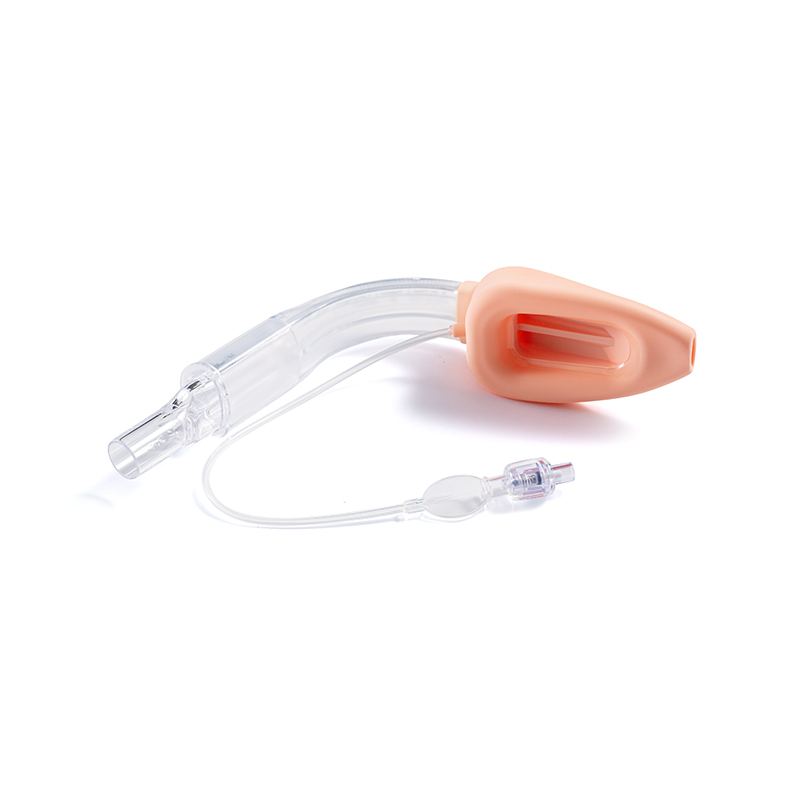
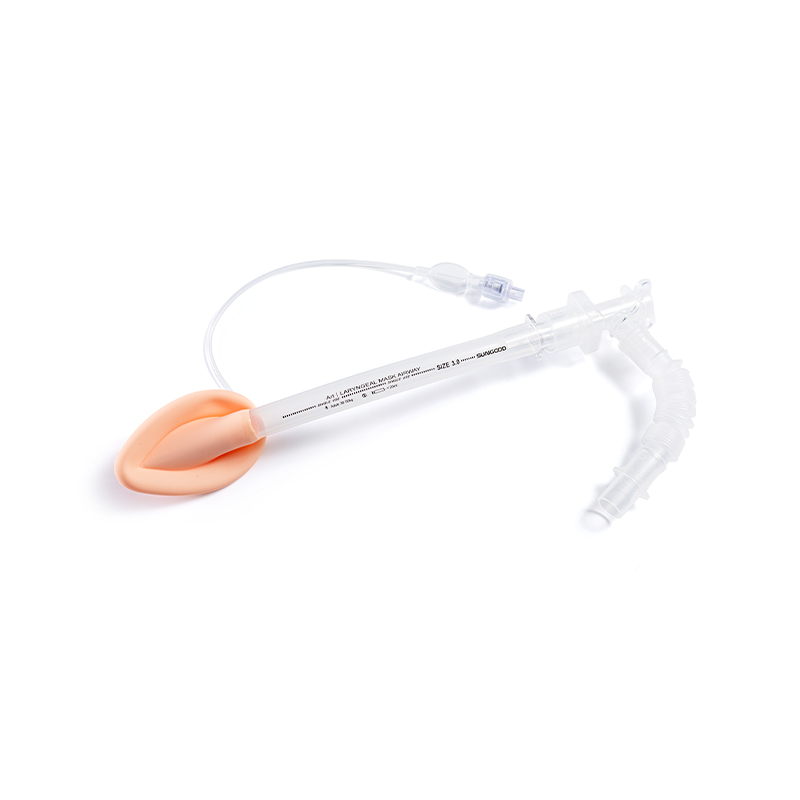
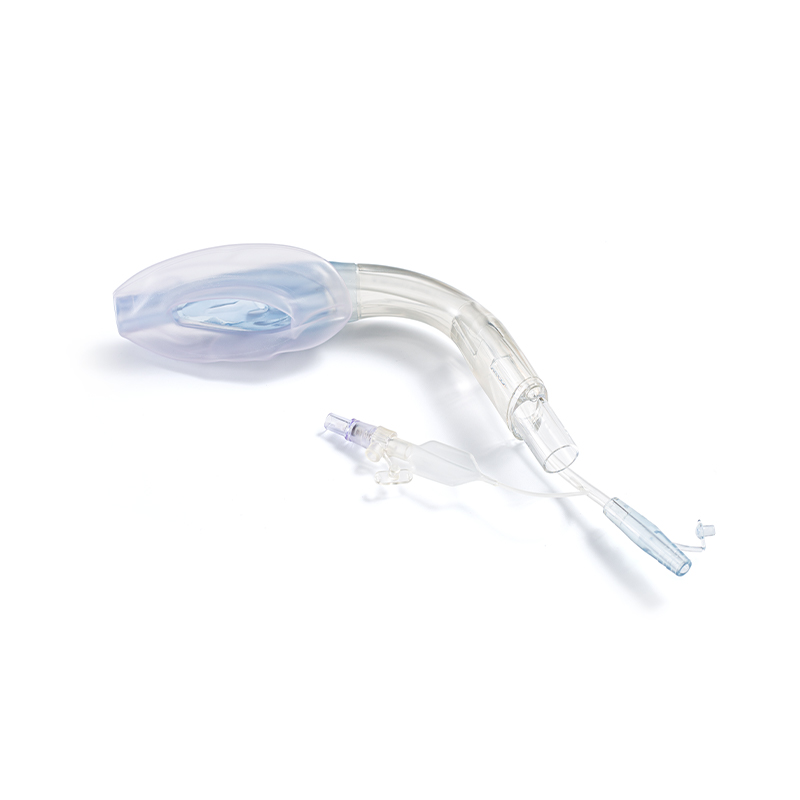
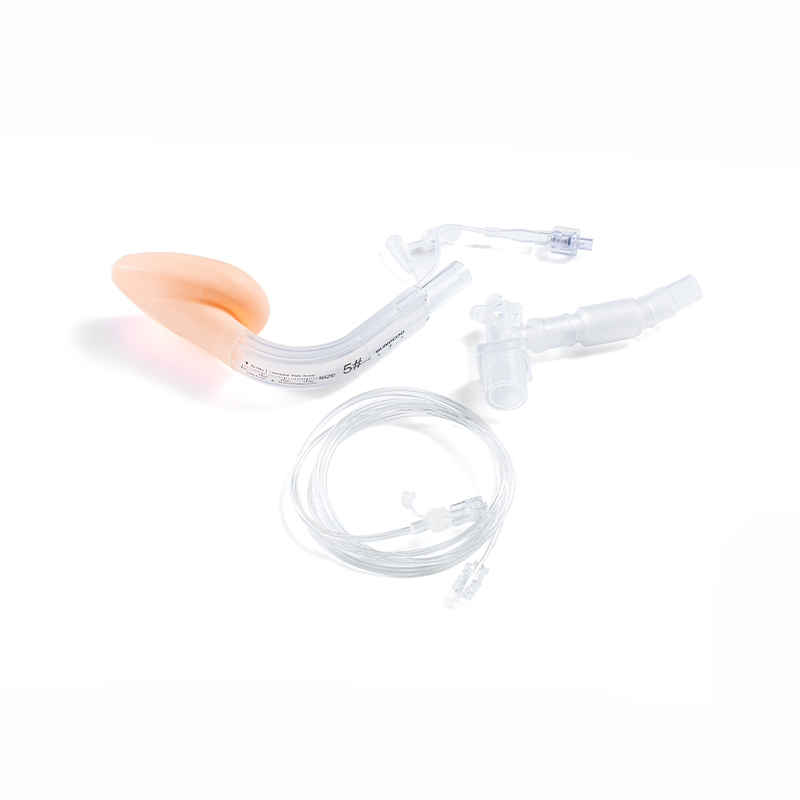
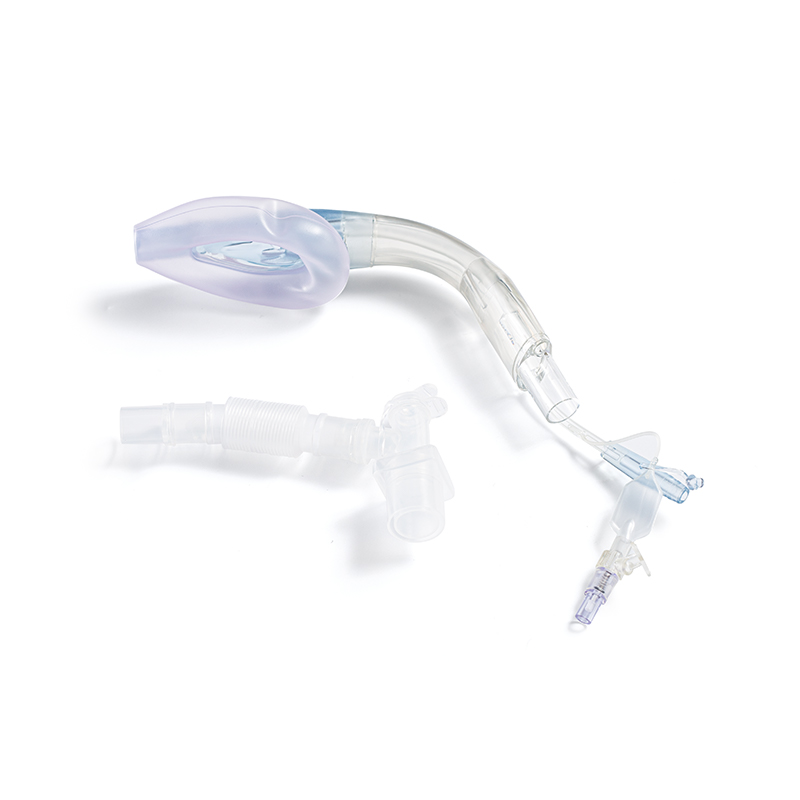
Selecting the appropriate size for a Laryngeal Mask Airway (LMA) is a critical step in ensuring effective ventilation and minimizing complications such as airway leakage or mucosal injury. While manufacturer guidelines provide a baseline based on patient weight, clinical experience suggests that anatomical variations often necessitate a more nuanced approach. For instance, patients with higher body mass indices may require a larger size to ensure an adequate seal, whereas those with restricted mouth opening might need a smaller device to facilitate insertion. It is essential for anesthesiologists to verify the fit by checking for air leaks at peak inspiratory pressures typically encountered during surgery, usually between 15 and 20 cm H2O.
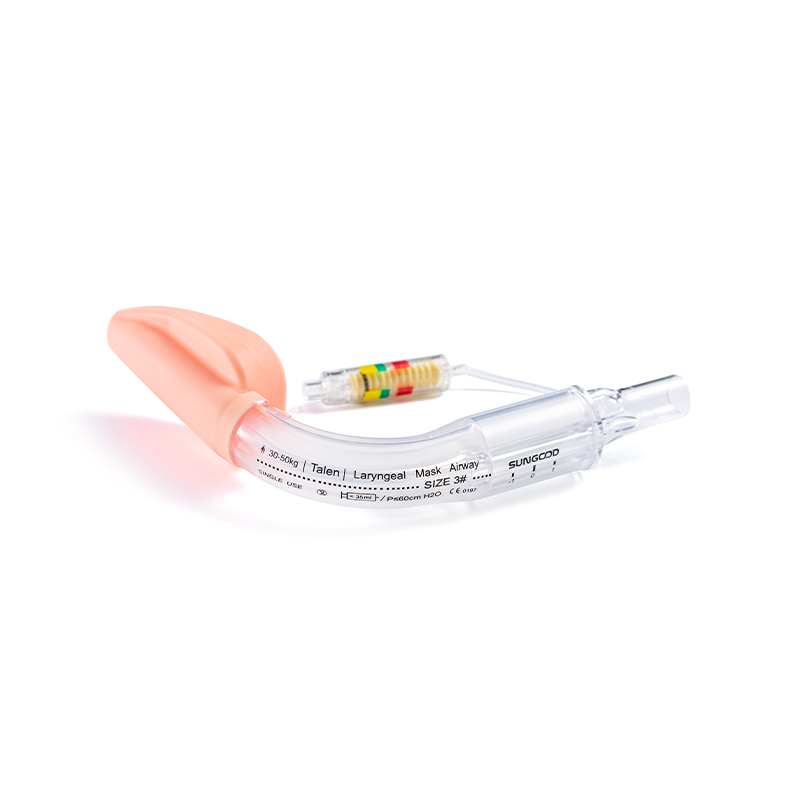
Equally important is the management of intracuff pressure. Overinflation of the cuff is a common cause of postoperative sore throat and potential nerve injury, particularly to the hypoglossal and lingual nerves. Maintaining cuff pressure below 60 cm H2O is widely recommended to preserve mucosal perfusion. Zhejiang Sungood Technology Co., Ltd. emphasizes the importance of using pressure manometers during inflation rather than relying on subjective pilot balloon feel, which is notoriously inaccurate. As a leading Medical Laryngeal Mask Airway Factory, we integrate high-compliance cuff materials in our designs to help maintain stable pressures throughout the procedure, reducing the risk of micro-aspiration and trauma.
Advancements in Material Biocompatibility and Latex-Free Construction
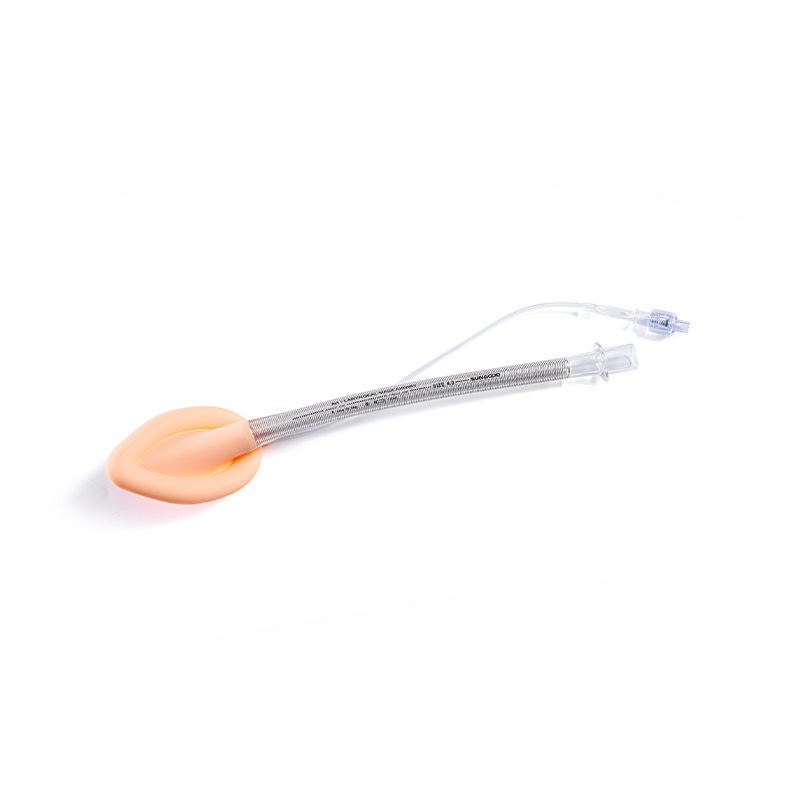
The evolution of LMA technology has seen a significant shift towards biocompatible, latex-free materials to reduce the incidence of allergic reactions and tissue irritation. Traditional rubber components have been largely replaced by medical-grade silicone and thermoplastic elastomers that offer superior flexibility and thermal stability. These materials allow the device to soften at body temperature, conforming better to the hypopharyngeal anatomy and creating a more effective seal with lower cuff volumes. This adaptation is crucial for minimizing the pressure exerted on the surrounding pharyngeal structures, thereby enhancing patient safety and comfort during both short-term and prolonged procedures.
Zhejiang Sungood Technology Co., Ltd. leverages its expertise as a high-tech enterprise to develop disposable catheters and airway devices that meet stringent international biocompatibility standards. Our Laryngeal Mask Airway products are manufactured using advanced extrusion and molding techniques that ensure uniform wall thickness and smooth surfaces, reducing friction during insertion. By focusing on material science, we aim to provide China LMA Manufacturers' clients with products that not only perform reliably but also prioritize patient physiological integrity, aligning with our philosophy of integrity and mutual success.
Comparative Analysis of First-Generation vs. Second-Generation LMAs
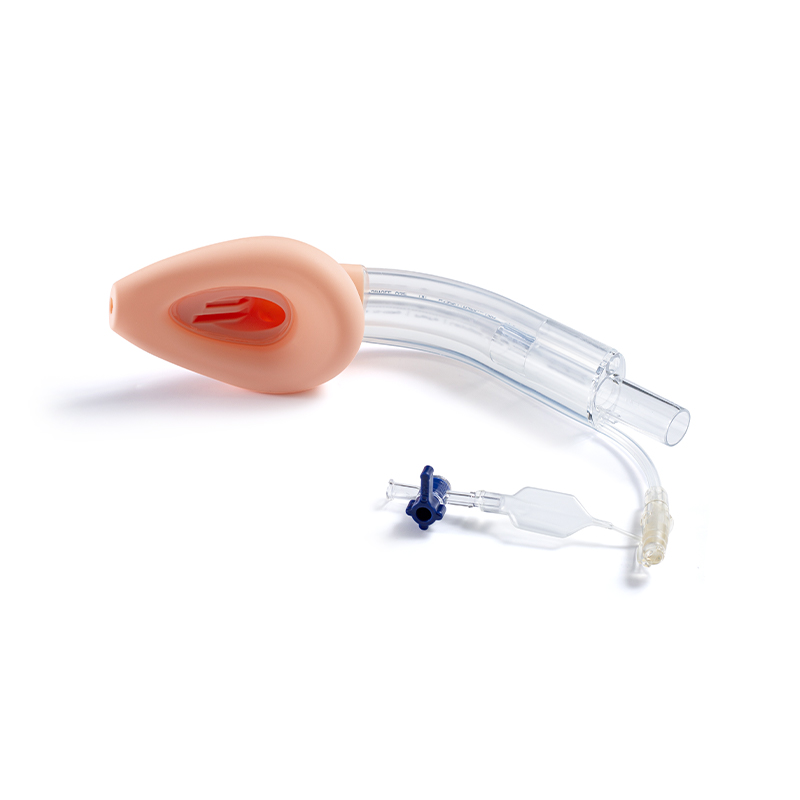
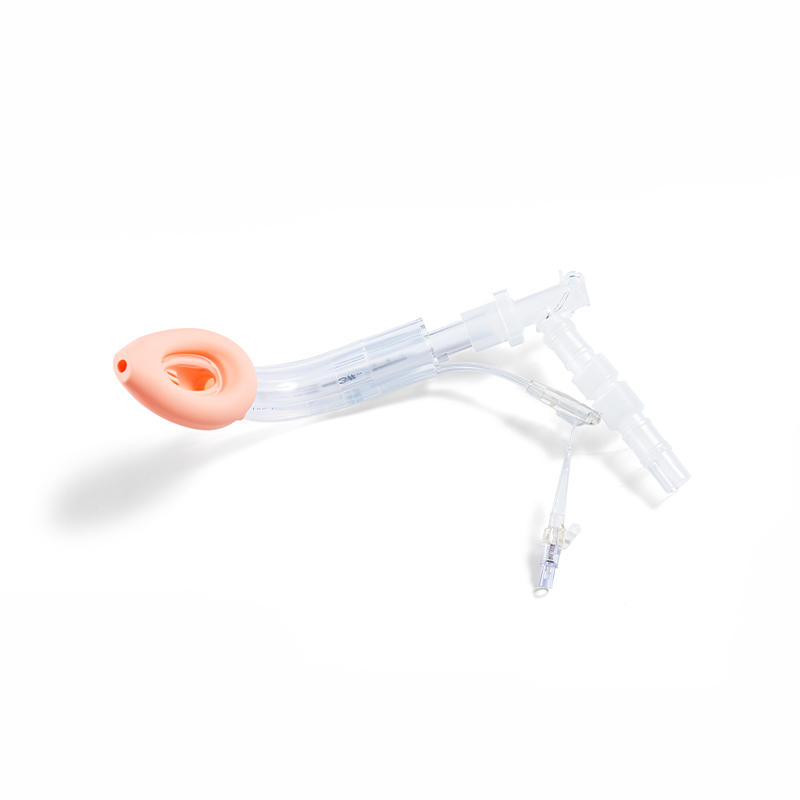
Understanding the functional differences between first-generation and second-generation Laryngeal Mask Airways is vital for clinical decision-making. First-generation devices, primarily designed for ventilation, lack a gastric drainage port, making them less suitable for patients at risk of regurgitation or those undergoing procedures where gastric insufflation is likely. In contrast, second-generation LMAs incorporate a dedicated gastric channel that allows for the insertion of a nasogastric tube to decompress the stomach and drain fluids, significantly reducing the risk of aspiration. This design enhancement also typically features a broader cuff and a higher seal pressure capability, allowing for controlled ventilation at higher airway pressures.
The following table outlines the key operational differences to assist medical professionals in selecting the appropriate device for specific clinical scenarios:
| Feature |
First-Generation LMA |
Second-Generation LMA |
| Gastric Access |
No drainage port |
Integrated gastric channel |
| Seal Pressure |
Lower (typically < 20 cm H2O) |
Higher (often > 30 cm H2O) |
| Aspiration Risk |
Higher |
Reduced due to drainage |
| Ideal Use Case |
Short, elective procedures in fasting patients |
Longer procedures, laparoscopy, or higher risk patients |
Insertion Techniques and Troubleshooting Common Placement Issues
Proper insertion technique is paramount to the successful deployment of a Medical Laryngeal Airway. The classic insertion method involves flexing the neck and extending the head, while the rotational technique may be employed for difficult airways. However, even with correct technique, clinicians may encounter issues such as folding of the cuff tip or epiglottic downfolding. To mitigate these risks, it is recommended to fully deflate the cuff before insertion to ensure a smooth profile and to use a lubricant on the posterior surface of the mask. If resistance is met, the device should be withdrawn, re-lubricated, and reinserted rather than forced, which can cause tissue trauma.
- Ensure the cuff is completely deflated and symmetric before insertion to prevent folding.
- Apply water-soluble lubricant to the back of the mask, avoiding the aperture bars to prevent obstruction.
- Use the index finger to guide the device along the hard palate, maintaining upward pressure against the palate until resistance is felt.
- Confirm placement by observing chest rise, auscultating breath sounds, and checking for the absence of epigastric sounds.
As experienced Laryngeal Mask Airway Manufacturers, Zhejiang Sungood Technology Co., Ltd. provides detailed instructional guides with each product to support best practices. Our commitment to cooperation and mutual success extends to educating healthcare providers on the nuances of airway management, ensuring that our high-quality disposable medical catheters and LMAs are used to their full potential in anesthesiology and respiratory care settings.

 English
 Español