
Home / News / Industry News / Which Patients Should Not Use a Nasopharyngeal Airway? Key Contraindications
Content
In a busy trauma bay, the airway is the first priority. When a patient arrives unconscious with an obstructed airway, the nasopharyngeal airway (NPA) often appears to be the most efficient option. It is simple to insert, requires no laryngoscope, and can be placed quickly by personnel who are not yet skilled in intubation. But in the same trauma bay, a detail as small as a drop of clear fluid from the nose can change the entire plan.
That fluid is cerebrospinal fluid (CSF). It means the patient may have a basilar skull fracture, and in that patient, the simple act of inserting an NPA could direct the tube into the brain. Nasopharyngeal airways are excellent tools in the right patient, but the question of which patients are contraindicated needs to be answered clearly before any insertion is attempted.
Basilar skull fracture is the single most important absolute contraindication for nasopharyngeal airway placement. The anatomy explains why. The cribriform plate is a thin, perforated bone that forms the roof of the nasal cavity. When the skull base is fractured, the cribriform plate can break, creating an open channel between the nasal cavity and the brain. An NPA, inserted along the floor of the nose, can be forced upward through this defect instead of following the normal path toward the posterior pharynx.
When this happens, the tube enters the cranial cavity. The clinical consequences are devastating: meningitis, brain abscess, intraparenchymal hemorrhage, and severe neurologic deficits. The risk is not hypothetical. Multiple case reports have documented intracranial NPA insertion in patients with basilar skull fractures.
Identifying the fracture before insertion is the key challenge. Look for the classic signs:
These signs are not always present. If the mechanism of injury is consistent with a basilar skull fracture and the patient is unconscious, a CT scan is the most reliable diagnostic study. When in doubt, err on the side of caution and avoid NPA insertion.
Facial fractures are another major contraindication. A patient who has sustained a blow to the midface may have unstable fractures of the maxilla, ethmoid, or nasal bones. The insertion of an NPA can push bone fragments deeper, worsen soft-tissue injury, and cause substantial bleeding. In addition, an unstable midface may make the nasal cavity structurally incapable of safely accommodating the tube.
In these patients, the safest airway strategy is usually an oropharyngeal airway (if the patient is unconscious and has no gag reflex) or a definitive airway with an endotracheal tube. The NPA is not the right tool when the anatomy of the nasal cavity has been compromised.
Coagulopathy is the most common reason to avoid a nasopharyngeal airway in a patient with no anatomical contraindication. The nasal mucosa is richly vascularized, and the insertion process can cause bleeding. In healthy patients, that bleeding is usually minor and self-limiting. In patients with bleeding disorders, the same bleeding can become difficult to control and can present a significant airway hazard in its own right.
Conditions that raise the bleeding risk include:
The degree of risk varies. A patient on prophylactic low-molecular-weight heparin after a surgical procedure may have a different risk profile than a patient with severe liver cirrhosis and a prolonged INR. Clinical judgment matters. When the patient has active bleeding or significant coagulopathy, consider an alternative airway technique, such as intubation or a laryngeal mask airway.
The following table provides a clear summary of the contraindications and their associated risks.
| Contraindication | Type | Primary Risk |
|---|---|---|
| Basilar skull fracture | Absolute | Intracranial tube placement |
| Cerebrospinal fluid leak | Absolute | Intracranial contamination |
| Severe facial or nasal trauma | Absolute | Displaced fractures, worsened bleeding |
| Coagulopathy | Relative | Uncontrolled epistaxis |
| Nasal polyps or severe septal deviation | Relative | Bleeding, obstruction, failed insertion |
Even when the patient has no contraindication, the size of the NPA can affect outcome. An oversized tube can lacerate the mucosa, increase bleeding, and cause pain. An undersized tube will fail to relieve the obstruction and may be displaced into the tongue or oropharynx. Selecting the correct size is a safety step that should not be rushed.
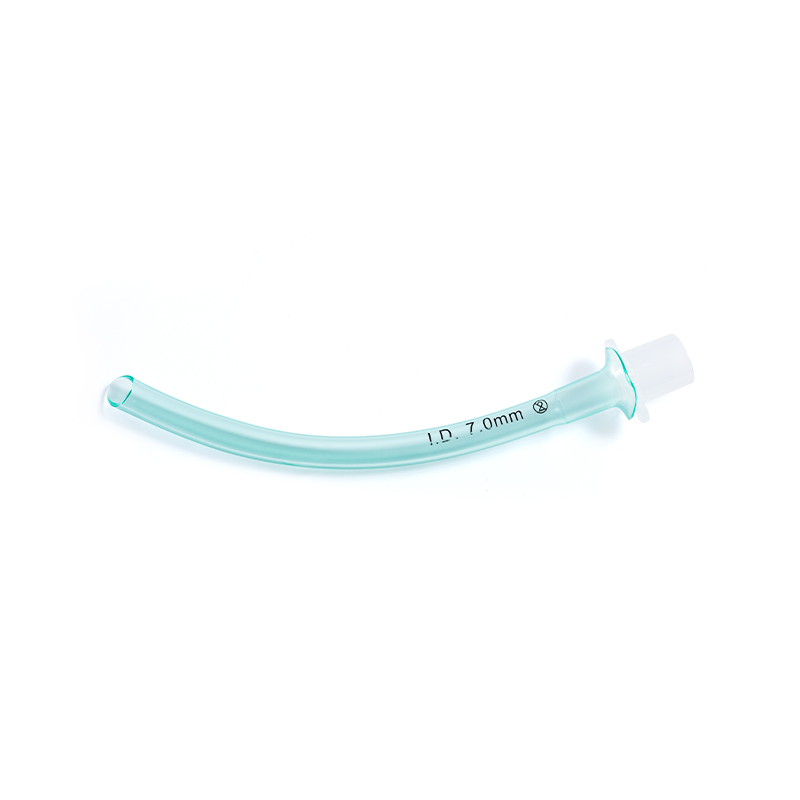
For adults, the NPA length should be approximately the distance from the tip of the nose to the earlobe. The diameter should be the largest that fits comfortably through the nostril. Soft and compliant devices, such as the single-use nasopharyngeal airway from SUNGOOD, are designed to reduce trauma and improve comfort during insertion and placement.
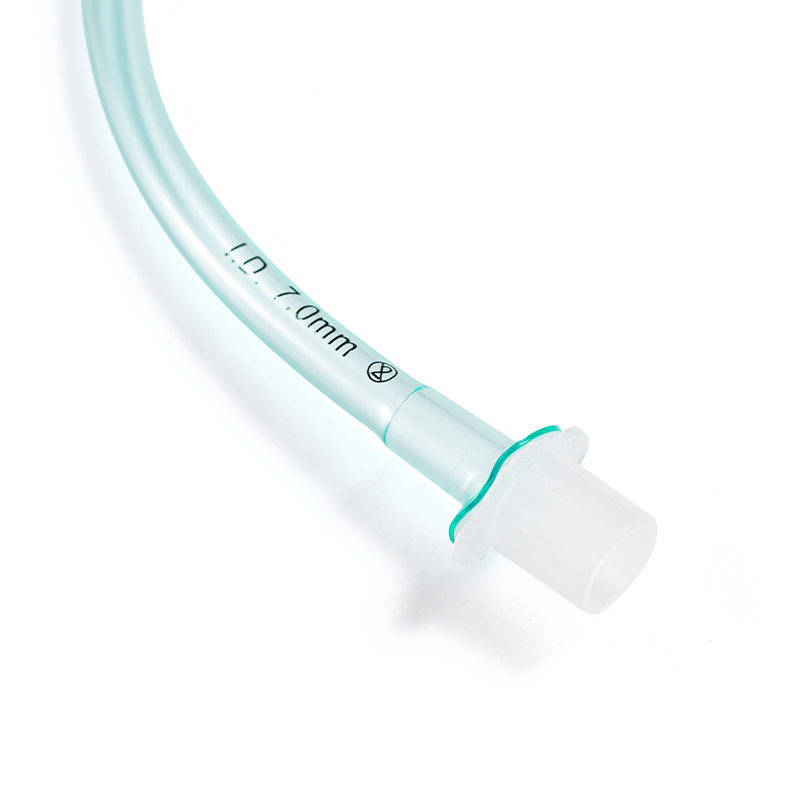 Single-Use Nasopharyngeal Airway for Comfortable Airway ManagementThis soft, single-use nasopharyngeal airway reduces trauma during insertion and provides a patent airway in patients with trismus or limited mouth opening, making it a practical choice when oropharyngeal airways cannot be used.View Product →
When the NPA is not appropriate, the team must decide on a different airway device. The choice depends on the clinical context and the patient's condition.
Oropharyngeal airways work well in unconscious patients who cannot protect their airway. They bypass the nose entirely and are the standard choice when facial or nasal trauma precludes NPA insertion. However, an oropharyngeal airway can trigger vomiting or laryngospasm in a conscious or semi-conscious patient, so careful patient selection is required.
Endotracheal intubation is the gold standard for definitive airway management. It is the appropriate choice in nearly all emergency cases, including those where an NPA would be dangerous. Placement requires training and equipment, but the security it offers is unmatched.
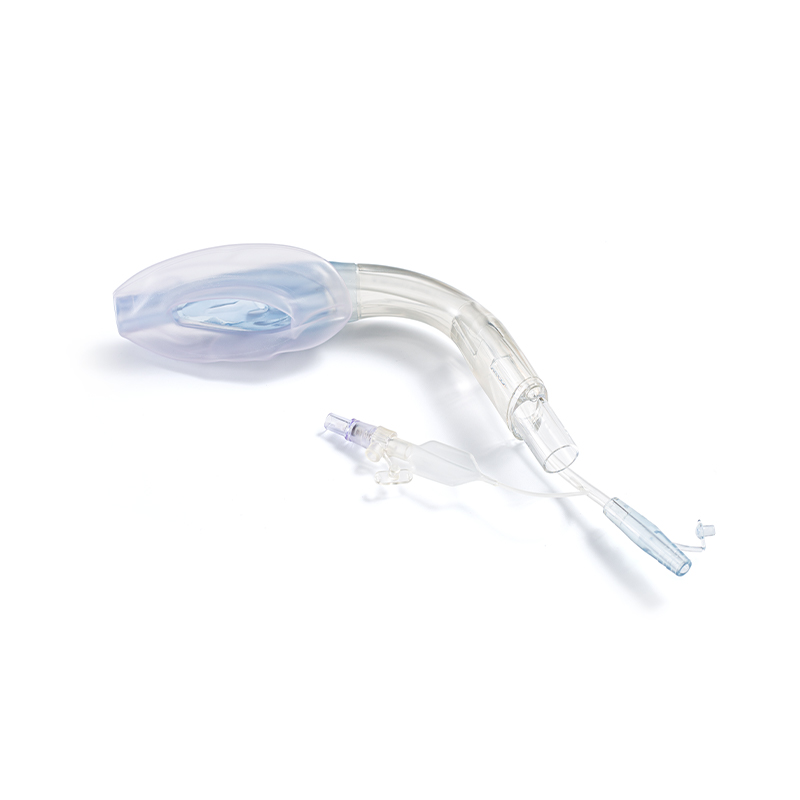
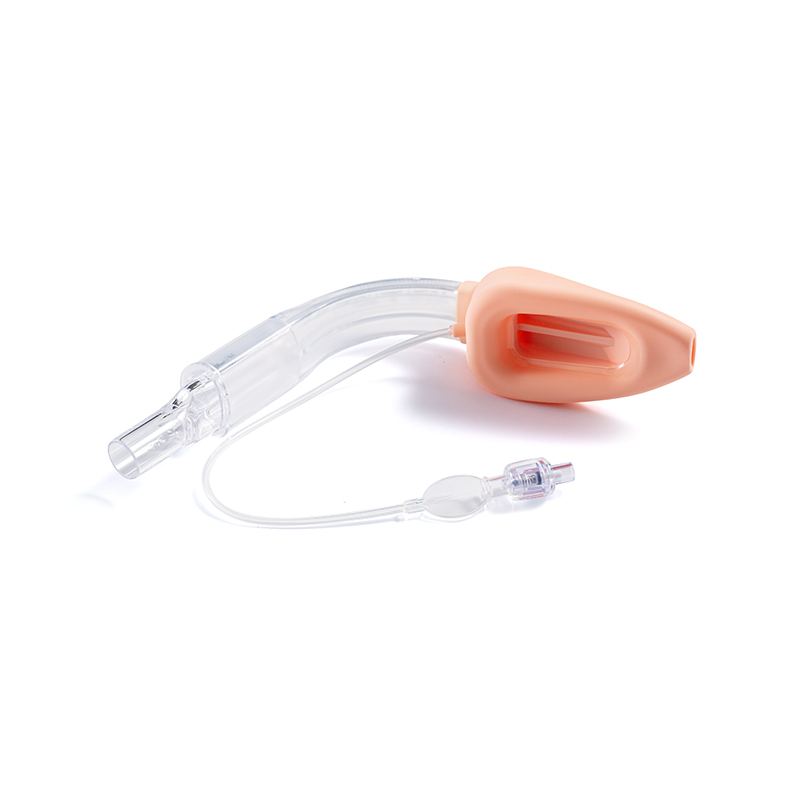
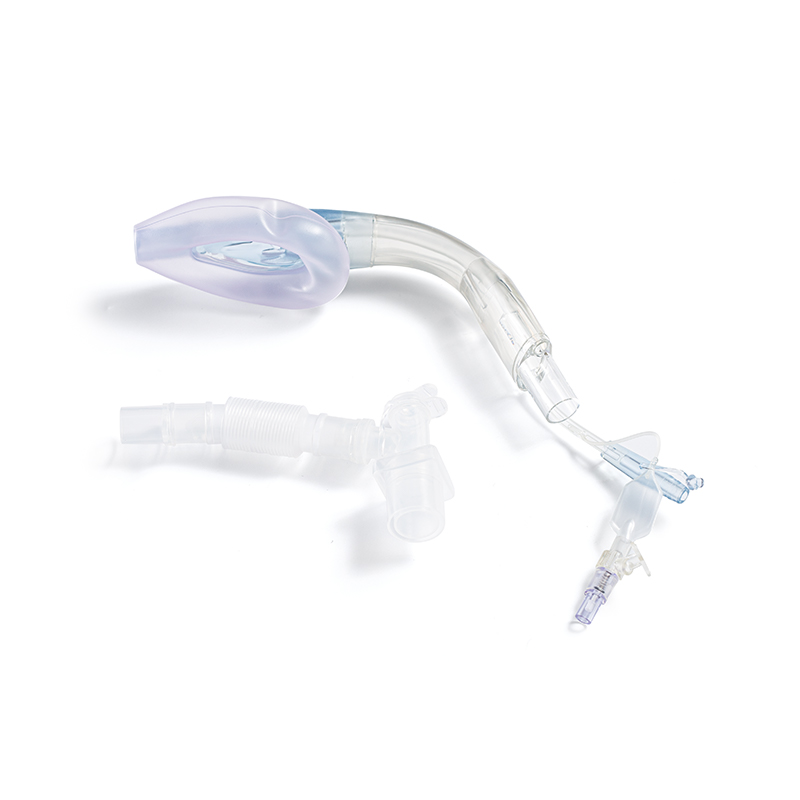
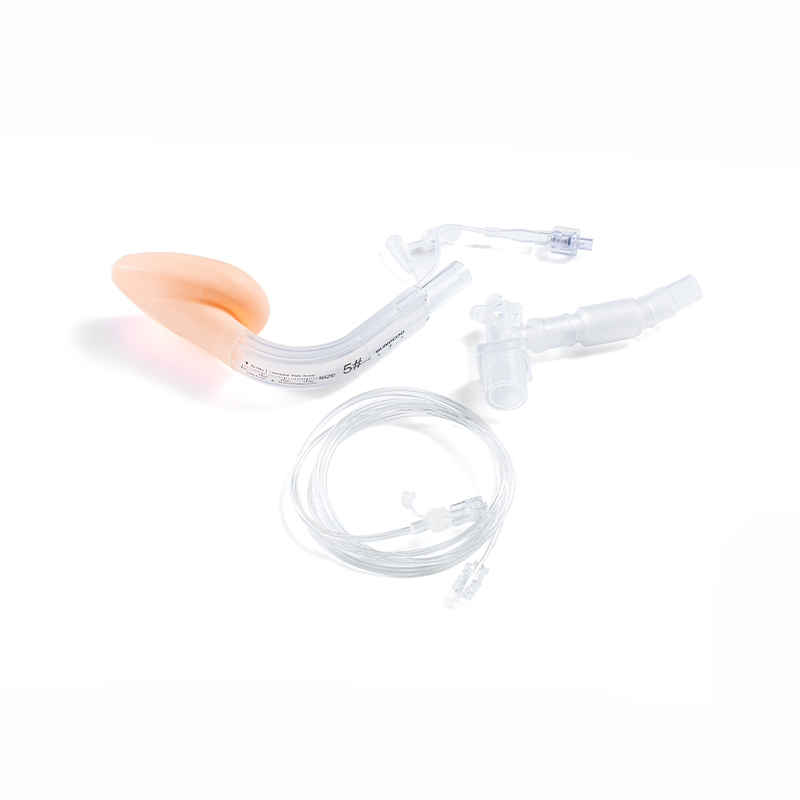
Laryngeal mask airways provide a supraglottic alternative in patients who do not have contraindications to their use. They are less invasive than intubation and are particularly useful in both planned procedures and rescue situations where ventilation cannot be achieved by other means.
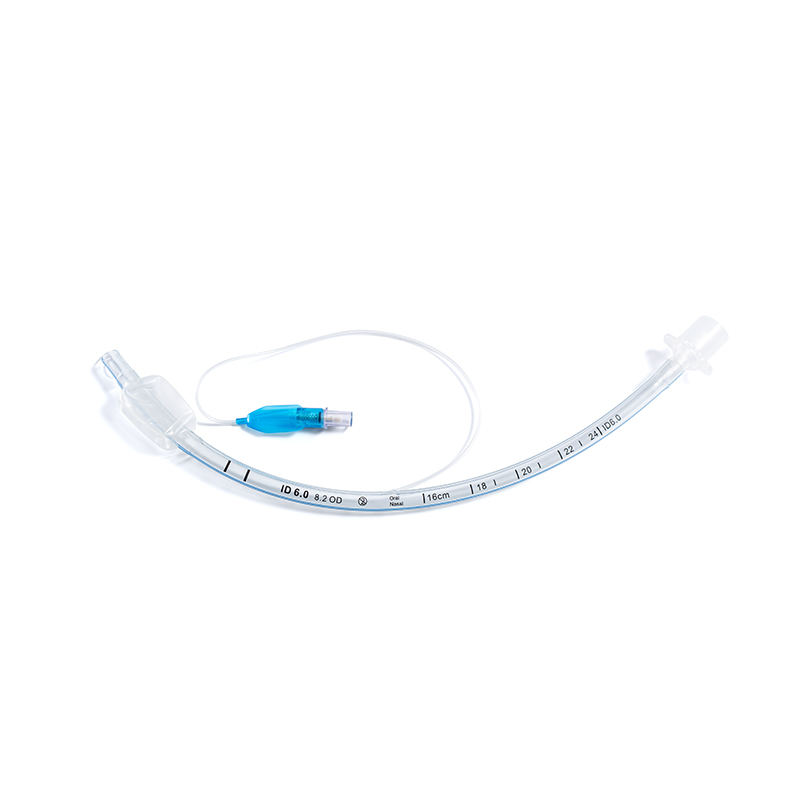 Disposable Endotracheal Tube for Reliable Airway ControlA sterile endotracheal tube with kink-resistant design and precise depth markings ensures secure ventilation during anesthesia, ICU care, or emergencies where an advanced airway is needed beyond the NPA.View Product →
 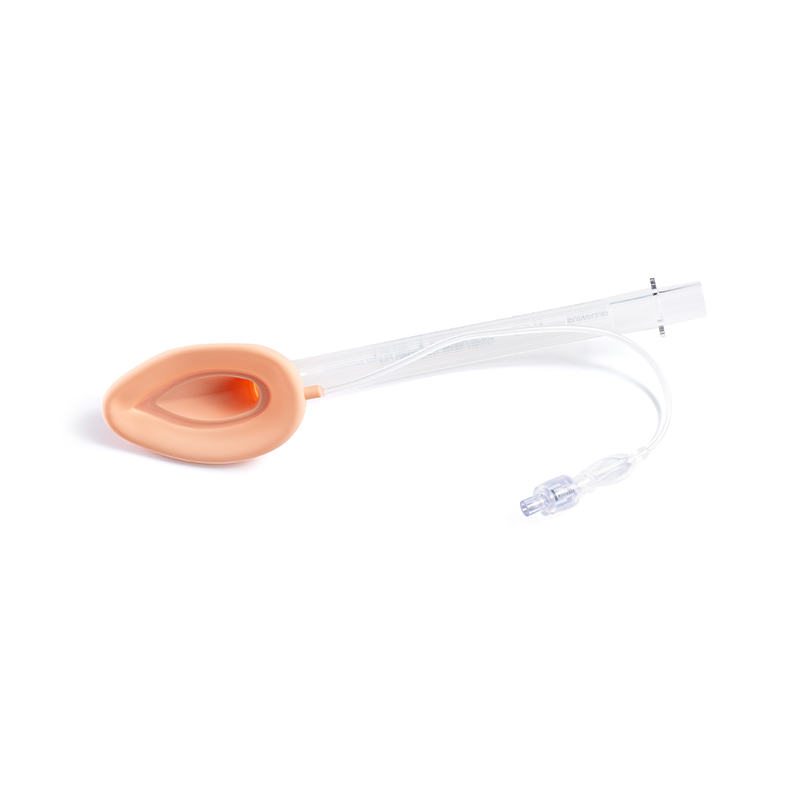 Disposable Laryngeal Mask Airway for Supraglottic VentilationThis single-use laryngeal mask provides a high-pressure seal around the laryngeal inlet, enabling effective ventilation in surgical or rescue settings when NPA placement is unsuitable or intubation is challenging.View Product →
When seconds matter, a structured checklist prevents errors. Before placing an NPA, run through these questions:
This checklist complements, but does not replace, clinical judgment.
The nasopharyngeal airway is a valuable device for maintaining an airway in patients with obstruction and a narrowed oral route. But its use has boundaries. Basilar skull fracture, CSF leak, severe facial or nasal trauma, and coagulopathy are among the contraindications that clinicians must keep in mind. Proper assessment includes confirming the integrity of the skull base, checking for bleeding risk, and selecting the right size and softness of the device.
For more detailed guidance on airway management techniques and device selection, consult our technical articles. If you are looking for dependable single-use airway products for your healthcare facility, contact us to discuss your needs.
Product Categories
Contact Us

+86-571-87687066
+86-18106505367

Workshop 1, 1st Floor(Zone B), 3rd Floor; Office Building 3rd&4th Floors, No. 550 Yinhai Street, Baiyang Sub-district, Qiantang District, Hangzhou City, Zhejiang Province, P.R.China
Ready to Begin?
Get in Touch

Now!

sungood

 English
 Español