
Home / News / Industry News / When Should You Use a Nasopharyngeal Airway? Key Indications and Contraindications
Content
An unconscious patient with a clenched jaw and a pool of blood in the oropharynx is a high-risk scenario for airway management. You cannot open the mouth to place an oropharyngeal airway, and every second counts. This is one of the clearest indications for a nasopharyngeal airway (NPA), a soft, conical tube that passes through the nose and rests in the hypopharynx to keep the upper airway open.
Knowing when to use a nasopharyngeal airway—and when to avoid it—is an essential clinical skill for paramedics, emergency physicians, anesthesiologists, and critical care nurses. This article explains the indications, contraindications, sizing, and insertion technique, with an emphasis on real-world decision-making.
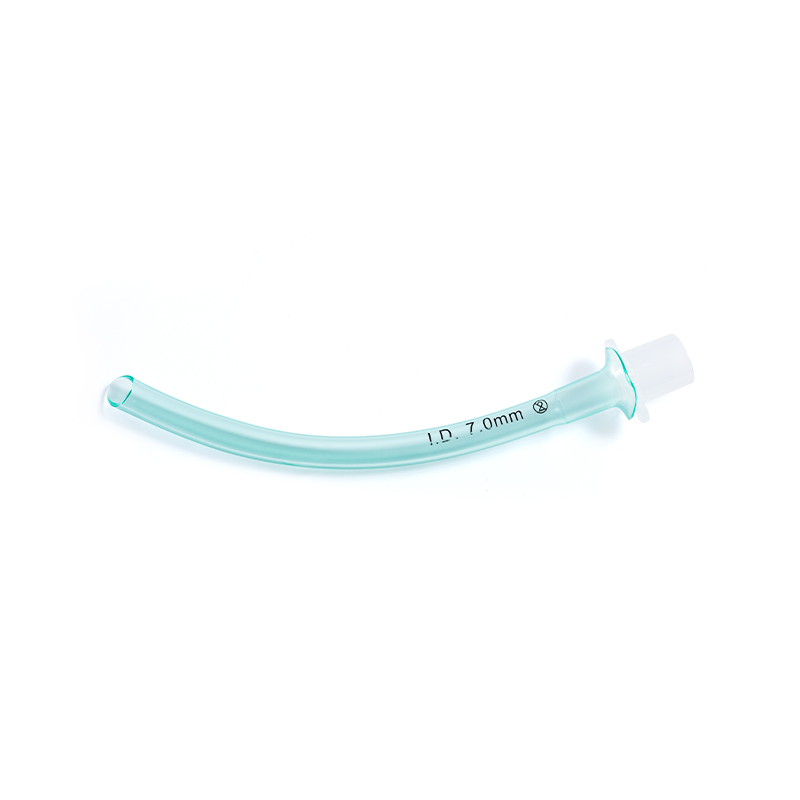
A nasopharyngeal airway is a flexible tube made of medical-grade PVC or silicone. It is inserted into the nostril and advanced until its tip sits in the nasopharynx, just behind the tongue. The flange at the nasal end prevents the tube from slipping entirely into the nose, and the beveled tip helps guide it through the nasal passages.
Unlike an oropharyngeal airway, an NPA does not trigger the gag reflex as readily, which is why it is often the first-line adjunct in patients who are awake or have a strong cough reflex. It also provides a route for suctioning secretions and can be used as a conduit for a bronchoscope or airway exchange catheter.
For practical use, the device must be sterile, smooth, and appropriately sized. A well-designed single-use nasopharyngeal airway from a reliable manufacturer reduces infection risk and ensures consistent quality during an emergency.
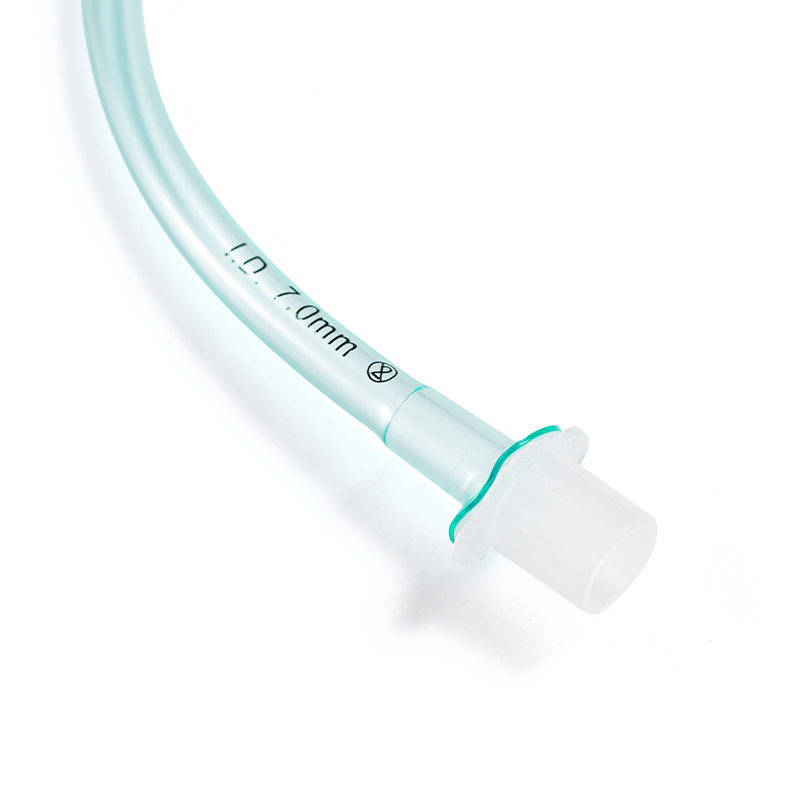 Single-Use Nasopharyngeal Airway Suppliers, Custom Factory - Zhejiang Sungood TeSungood is China Single-Use Nasopharyngeal Airway Suppliers and Custom Single-Use Nasopharyngeal Airway Factory,Main IndicationsNasophary...View Product →
There are several clinical situations in which an NPA is the best choice. The common thread is the need to bypass an obstruction in the upper airway while preserving access to the mouth.
Patients with an intact gag reflex cannot tolerate an oropharyngeal airway. If a semi-conscious patient has upper airway obstruction from the tongue falling back, an NPA can be placed with minimal stimulation. This is often seen in patients with a reduced level of consciousness due to intoxication, stroke, or seizures—as long as they still have protective airway reflexes. The tube can remain in place while the patient is monitored in the emergency department or during transport.
When the mouth cannot be opened safely—because of trismus, temporomandibular joint injury, or maxillofacial fractures—the nasal route is the only practical way to bypass the obstruction. An NPA also keeps blood and debris away from the lower airway if the oral cavity is injured. In facial trauma, the clinician must weigh the risk of skull base injury against the urgency of airway compromise, and use caution with any nasopharyngeal manipulation if there is clear evidence of a basal skull fracture.
In many unconscious patients, the tongue is the primary cause of airway obstruction. The NPA passes behind the tongue and separates it from the posterior pharyngeal wall, restoring airflow. This is particularly useful during the initial phase of resuscitation before a definitive airway is established. A correctly sized NPA can relieve inspiratory stridor and improve chest rise without requiring any oral instrumentation.
During a tonic-clonic seizure, the jaw is often clenched, and suctioning and oral airway placement are difficult. An NPA can be inserted safely at the onset of the seizure to maintain a patent airway, and it can be left in place during the postictal period. Emergency medical services protocols frequently include NPA placement for seizure patients who are not fully conscious and have poor airway tone.
The NPA can act as a guide or a passageway for a nasotracheal tube, a suction catheter, or a bronchoscope. Applying lubricant and gently inserting the NPA first can reduce trauma and improve success for these downstream procedures. It also provides a channel for oxygen during the effort. Some clinicians prefer to pass a small-bore suction catheter through the NPA to clear secretions from the trachea without direct laryngoscopy.
Children with conditions like Pierre Robin sequence or Treacher Collins syndrome often have micrognathia and glossoptosis. An NPA can maintain the airway until growth surgery is performed or as a temporizing measure after surgical swelling. Parents and caregivers can be taught to suction and replace the airway at home. In these patients, the NPA is often used for weeks or months, requiring careful monitoring for blockage and skin breakdown.
Using an NPA in the wrong patient can cause serious harm. The key rule is to avoid the nasal route when there is a known or suspected fracture of the base of the skull, especially with cerebrospinal fluid (CSF) rhinorrhea. In this setting, an NPA could enter the cranial vault. Although this is a relative contraindication in some emergency guidelines, any significant facial trauma involving the midface should prompt a search for other airway options.
Other contraindications include:
In children, prominent adenoid tissue can make the NPA more traumatic. Always use the correct size and generous lubrication, and never force the tube against resistance. If the patient becomes more agitated or the oxygen saturation drops, reassess the position of the NPA and consider alternative airway management.
Selecting the correct NPA size is straightforward: measure from the tip of the patient's nose to the tragus of the ear. The resulting length in centimeters usually corresponds to the internal diameter. Common adult sizes range from 6.0 to 9.0 mm internal diameter; pediatric sizes start as low as 2.5 mm. A tube that is too long may enter the esophagus or laryngeal inlet, while one that is too short will not relieve obstruction at the tongue base.
Insertion steps:
If resistance is met, stop and try the other nostril or reconsider the indication. Proper technique can be practiced on manikins, but the clinical judgment to abandon the procedure when it is not smooth is equally important.
The choice between an NPA and an oropharyngeal airway depends mainly on the patient's level of consciousness and the presence of oral trauma. The table below summarizes the key differences that guide clinical decisions.
| Feature | Nasopharyngeal airway | Oropharyngeal airway |
|---|---|---|
| Consciousness level | Awake, semi-conscious, or unconscious | Unconscious only |
| Gag reflex | Tolerated if present | Stimulates gag reflex |
| Route of insertion | Nasal | Oral |
| Best for | Trismus, oral trauma, seizure | Cardiac arrest with no gag reflex |
| Main risk | Epistaxis, skull-base injury | Vomiting and aspiration |
In practice, the NPA is preferred whenever the patient has any degree of protective airway reflex or when the oral route is inaccessible. The OPA remains the standard during cardiopulmonary resuscitation in an apneic patient with no cough or gag. Many emergency airway algorithms now teach NPA as the primary basic airway adjunct because it is safer in a wider range of scenarios.
The most common complication of NPA placement is epistaxis. It can be minimized by choosing a properly sized tube, using water-soluble lubricant, and never forcing the device. If bleeding occurs, direct pressure applied to the nostril for a few minutes usually controls it, but suction may be needed to keep the airway clear.
More serious complications include submucosal dissection, submucosal infection, and even intracranial passage in patients with an undetected skull base fracture. Always check the patient's history and facial injury pattern before placement. In patients with severe facial trauma, the airway should be secured by more definitive means, such as endotracheal intubation or a surgical airway, rather than relying on an NPA.
After insertion, monitor the patient for signs of airway improvement: chest rise, breath sounds, oxygen saturation. If the airway remains obstructed, the NPA may be plugged with debris or malpositioned. Remove it, suction the nasopharynx if possible, and reinsert a fresh tube or switch to a different airway strategy.
A nasopharyngeal airway is an invaluable tool in airway management, especially when the oral route fails or is unavailable. You should use it when the patient has an intact gag reflex, trismus, oral trauma, or a need for a temporary conduit for bronchoscopy or nasotracheal intubation. Avoid it in suspected skull base fractures, severe coagulopathy, or nasal obstruction.
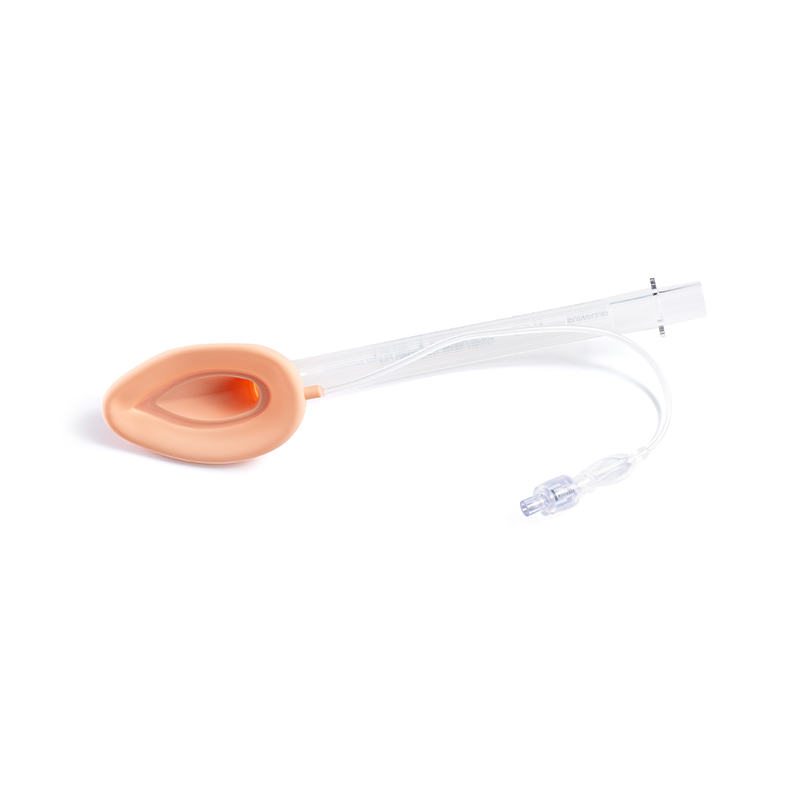
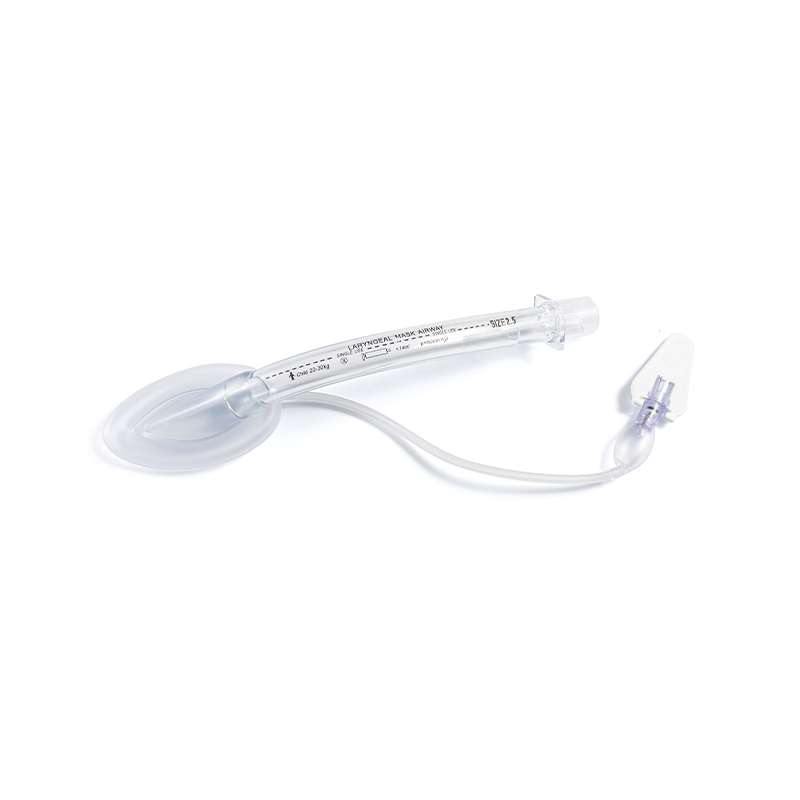
With proper sizing and a gentle technique, the NPA can be placed quickly and safely, potentially transforming an unmanageable airway into a stable one. For further reading on airway device selection and insertion safety, consult our overview of laryngeal mask airway insertion and sizing safety tips.
Product Categories
Contact Us

+86-571-87687066
+86-18106505367

Workshop 1, 1st Floor(Zone B), 3rd Floor; Office Building 3rd&4th Floors, No. 550 Yinhai Street, Baiyang Sub-district, Qiantang District, Hangzhou City, Zhejiang Province, P.R.China
Ready to Begin?
Get in Touch

Now!

sungood

 English
 Español