
Home / News / Industry News / How Exactly Is CPR Performed Differently When an Advanced Airway Is in Place?
Content
Picture an in-hospital code where the team is using a bag-mask device. One rescuer pushes 30 times, stops, opens the airway, gives two breaths, then resumes compressions. Now picture the same code after an advanced airway has been placed. The pauses vanish. Chest compressions become a continuous baseline, and ventilations are delivered asynchronously by a second team member. That single change reshapes how CPR is performed.
The short answer is that once an advanced airway is secured, rescuers no longer follow a compression-to-breath ratio. They deliver continuous chest compressions at 100 to 120 per minute and give one breath every six seconds, about 10 breaths per minute, without stopping compressions. This article looks at what counts as an advanced airway, why the change matters, and how to avoid common errors during resuscitation.
An advanced airway is a device that creates a patent pathway below the pharynx, allowing rescue breaths to be delivered without maintaining a bag-mask seal. The two main categories used in adult cardiac arrest are endotracheal tubes and supraglottic airways.
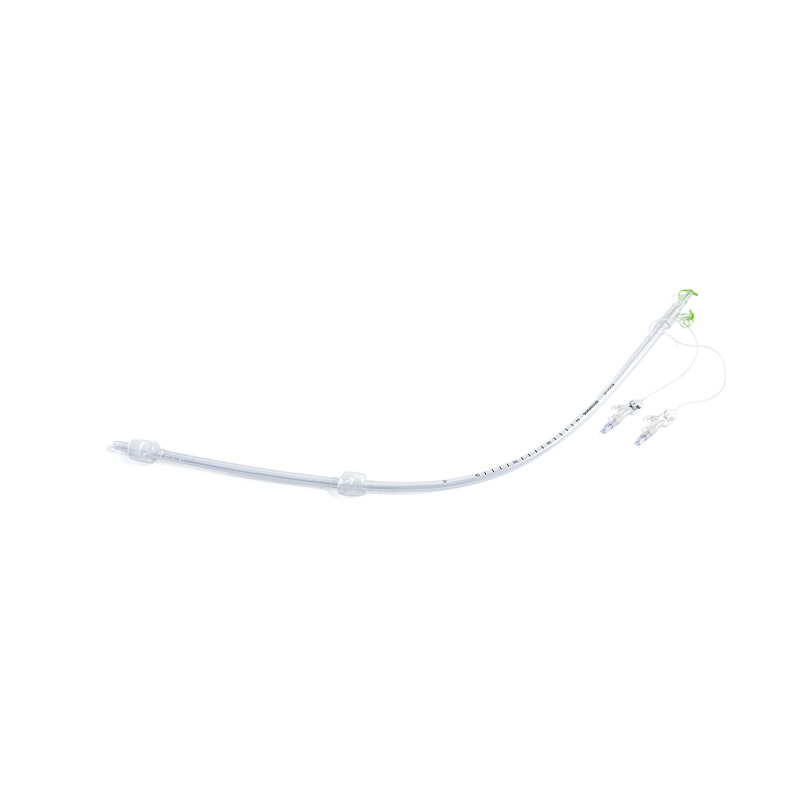
An endotracheal tube is passed through the vocal cords into the trachea. It offers the most secure airway, protects against aspiration when the cuff is inflated, and allows direct suctioning of secretions. In CPR, a cuffed endotracheal tube minimizes gas leak and lets the airway provider deliver breaths without interrupting chest compressions. Standard cuffed tubes with accurate positioning marks help confirm insertion depth during a fast-paced code.
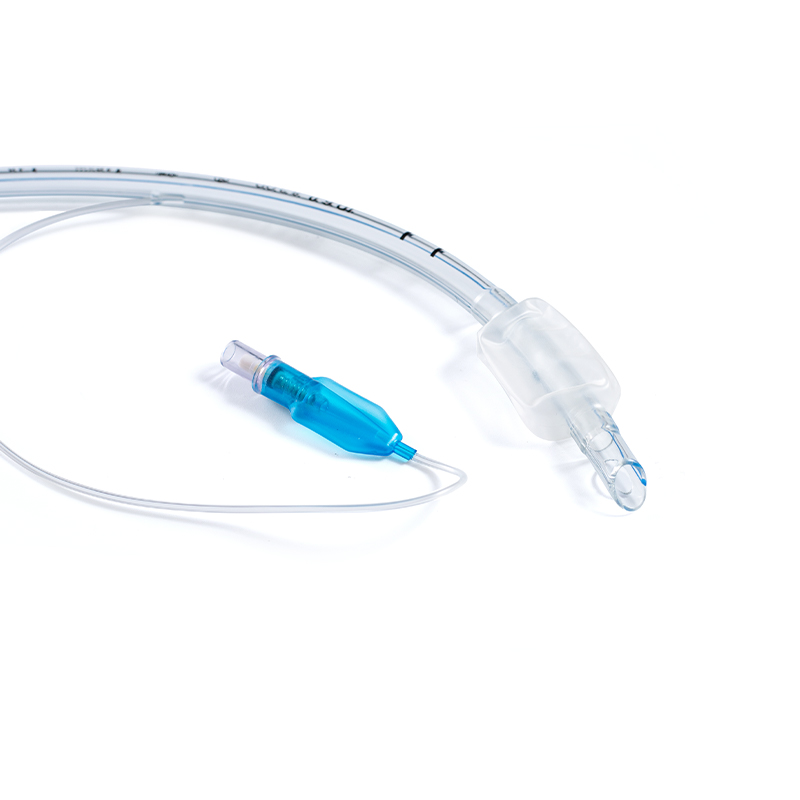 Standard Cuffed Endotracheal Tube with Accurate Positioning MarksThis cuffed tube features clear depth scales and a low-pressure high-volume cuff, making it a secure choice for CPR and anesthesia while minimizing gas leak and aspiration risk.View Product →
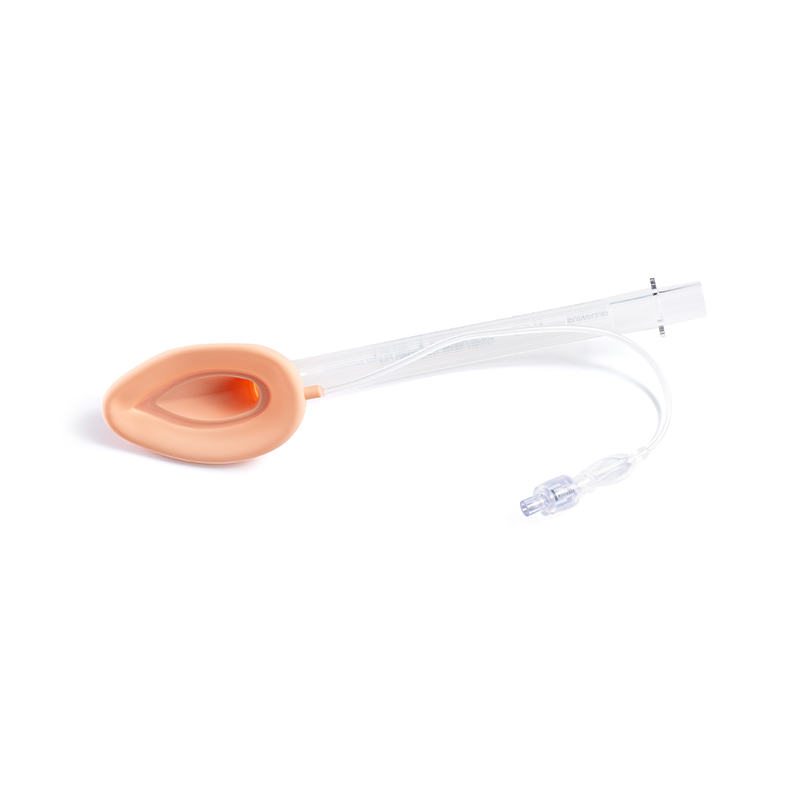
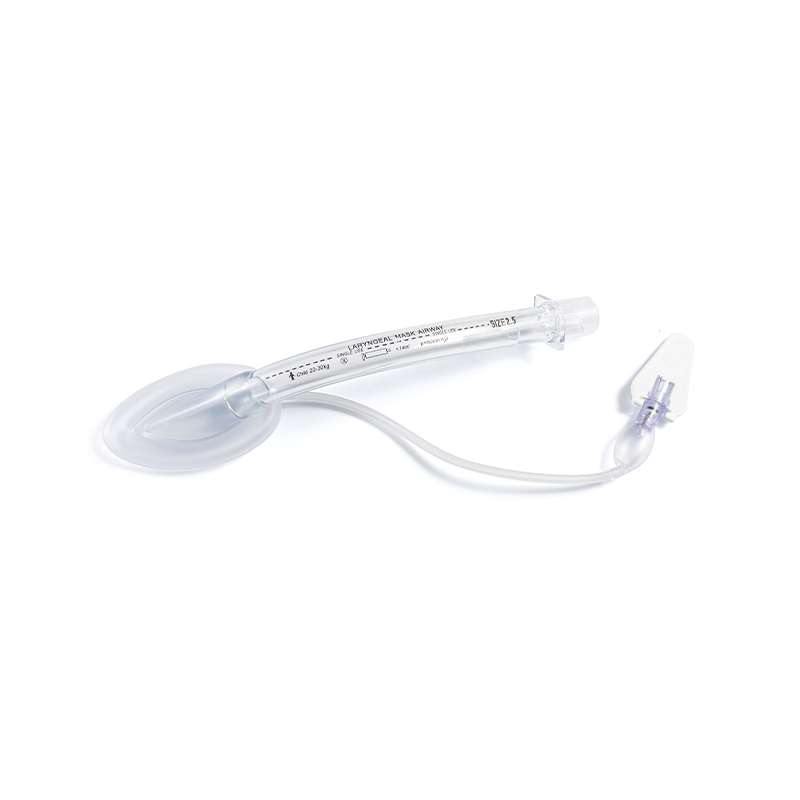
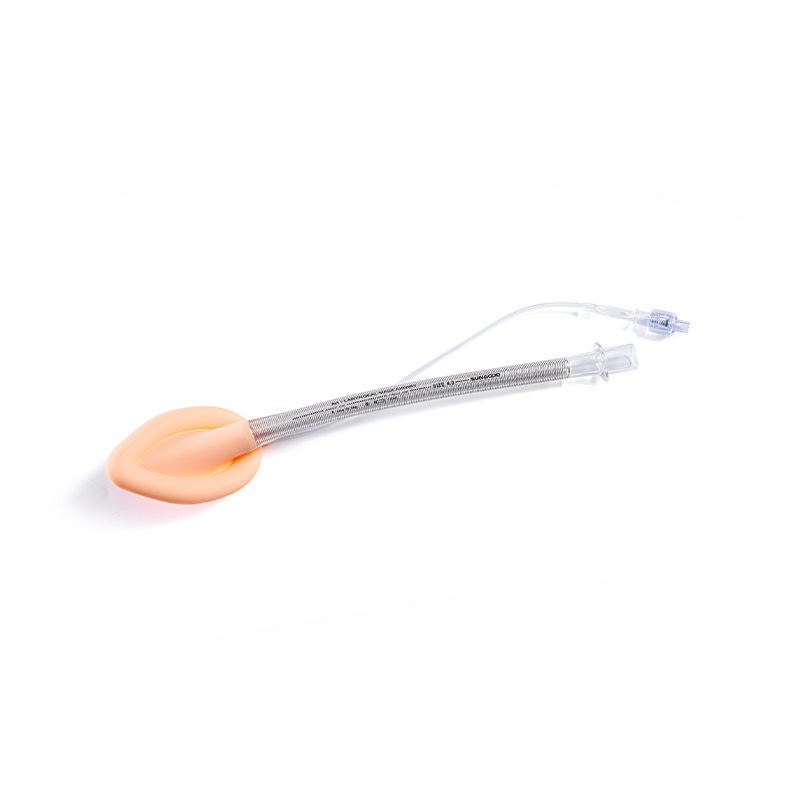
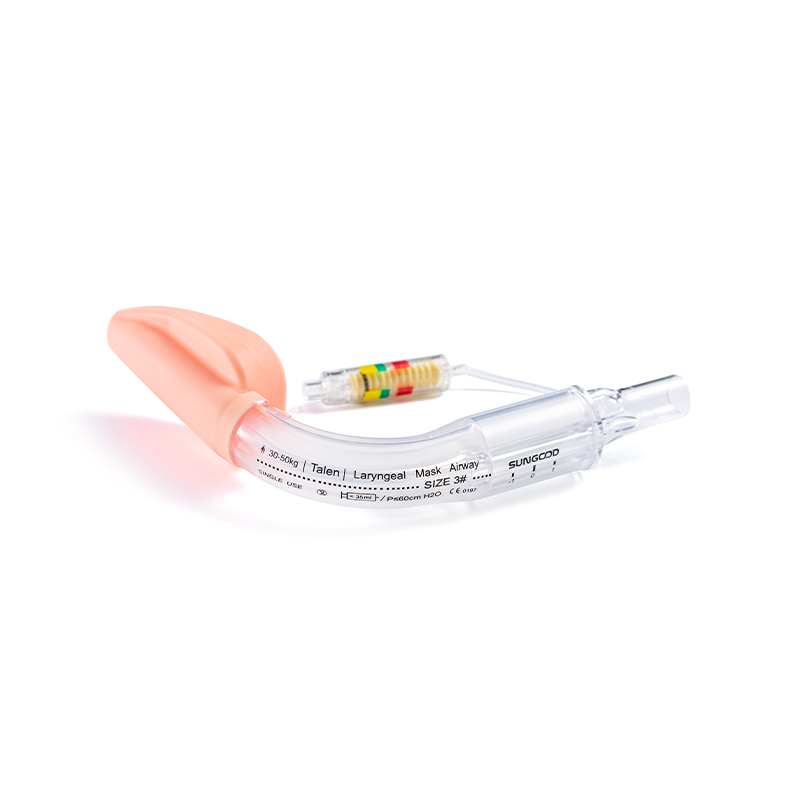
Supraglottic devices such as laryngeal mask airways are placed blindly and sit above the glottis. They are simpler to insert than an endotracheal tube, often require less training, and are commonly used when providers do not have the same intubation experience. Some versions include a gastric access channel that helps decompress the stomach and reduce regurgitation. For sizing and insertion guidance, review our laryngeal mask airway guide.
With an advanced airway in place, the 30:2 ratio no longer applies. Rescuers should compress the chest continuously at a rate of 100 to 120 per minute and ventilate at a rate of one breath every six seconds, or about 10 breaths per minute, in an adult. The actions are asynchronous, meaning the ventilator provider can give a breath at any point during the compression cycle. Each breath should last about one second and produce visible chest rise.
| Aspect | Without advanced airway | With advanced airway |
|---|---|---|
| Compression pattern | 30:2 cycles with pauses | Continuous compressions |
| Compression rate | 100-120/min | 100-120/min |
| Ventilation timing | After every 30 compressions | Every 6 seconds, asynchronous |
| Compression-to-breath ratio | 30:2 | None |
| Pauses in compressions | Required for breaths | Avoided |
The biggest benefit is a higher chest compression fraction, the proportion of resuscitation time spent actively compressing the chest. Standard CPR with bag-mask ventilation requires a pause after every 30 compressions. Those pauses add up quickly. With an advanced airway, the major reason for interruption is eliminated. Continuous compressions help maintain coronary perfusion pressure, preserve cerebral blood flow, and reduce the time the heart and brain spend under low-flow conditions.
This also simplifies drug administration. Medications such as epinephrine can be given during the compressor cycle without coordinating around breaths. Defibrillation is also easier to time because the team is not counting compressions in cycles. Continuous chest compressions keep some pressure in the system even while the defibrillator charges, and the compressor can resume immediately after shock delivery.
Advanced airway CPR relies on clear division of labor. One rescuer manages the airway and ventilation while another performs chest compressions. The compressor should switch every two minutes to maintain depth, rate, and recoil quality. The airway manager watches for chest rise, listens for air leak, and monitors continuous waveform capnography whenever available. Capnography provides real-time confirmation of tube placement and an early warning of dislodgement or a sudden drop in cardiac output.
Do not forget to coordinate with the compressor after the airway is placed. If the airway becomes displaced, compressions may need to stop briefly while the tube is repositioned or removed. A secure airway is only useful if the team knows how to recognize and correct problems quickly.
Hyperventilation is the most common issue. Giving breaths too quickly or with too much volume increases intrathoracic pressure, reduces venous return, and lowers cardiac output. Even a small improvement in compression quality beats rapid, forceful ventilation.
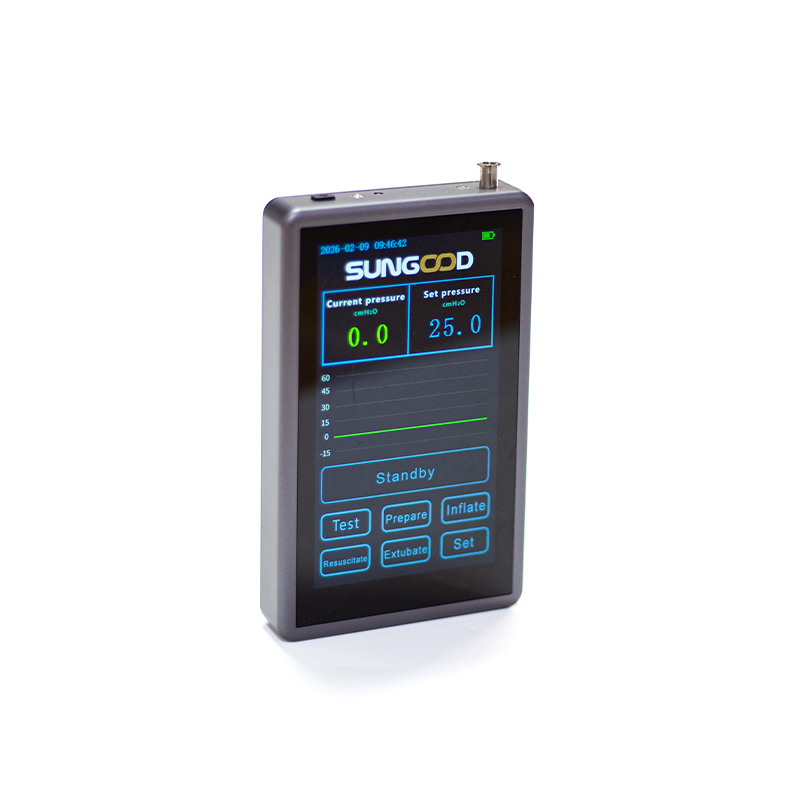
Another frequent problem is failure to recheck tube position after patient movement or after prolonged compressions. The tube can migrate into a main bronchus or come out of the trachea. Cuff pressure matters too. Too low allows air leak and aspiration; too high can damage tracheal mucosa. Use a manometer or integrated system to keep cuff pressure within the recommended range. A single-use cuff pressure monitor can give the airway manager one less thing to guess at.
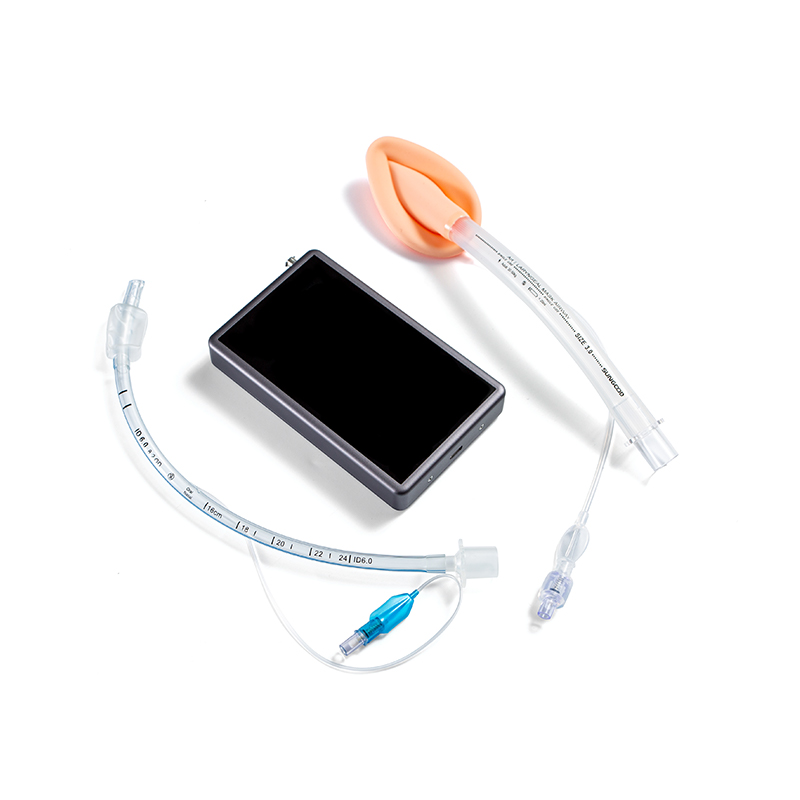 Airway Cuff Pressure Monitoring System for Continuous ManagementThis system monitors and actively adjusts cuff pressure in real time with high precision, helping maintain optimal sealing and reduce complications like VAP during ventilation.View Product →
Confirm placement with waveform capnography, bilateral chest movement, and absence of gastric sounds, and re-confirm it whenever something looks wrong. An advanced airway is a tool, not a substitute for vigilance.
Choosing between an endotracheal tube and a supraglottic airway depends on skill level, scope of practice, and patient factors. An ETT remains the standard for providers trained to intubate, especially when aspiration risk is high. Supraglottic airways are valuable when rapid insertion is needed or when the provider has limited intubation experience. In many emergency systems, carrying both options gives the team more flexibility.
SUNGOOD offers a complete airway portfolio built around these needs. The laryngeal mask airway family includes standard silicone models, reinforced designs, and double-lumen anti-aspiration configurations with a gastric access tube. Because these are single-use sterile devices, they reduce cross-contamination risk and provide consistent cuff performance. For providers looking for a quickly placed airway during cardiac arrest, a modern supraglottic device with an anti-aspiration channel can be a strong addition to the kit.
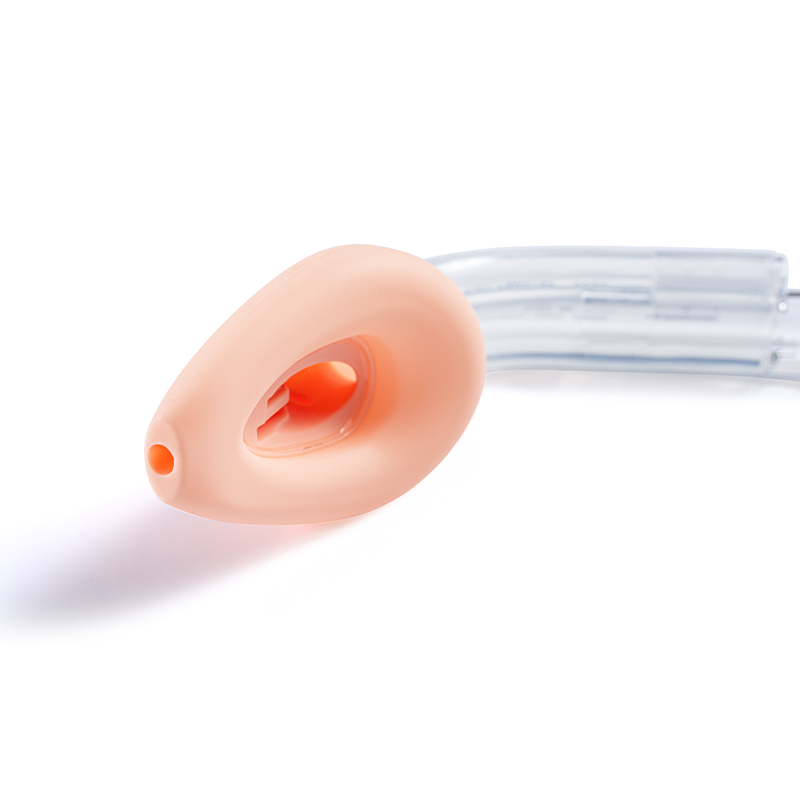 Double-Lumen Anti-Aspiration Silicone Laryngeal Mask AirwayThis supraglottic device offers independent gastric drainage and secretion aspiration channels, providing dual protection against regurgitation for high-risk patients in emergency or ICU settings.View Product →
The short version is that an advanced airway changes CPR from a sequential, ratio-driven process into a parallel workflow. Compressions run continuously while ventilations arrive at a regular tempo. The team that understands this shift and practices the coordination ahead of time will deliver better perfusion, fewer interruptions, and a more controlled resuscitation. If your organization is reviewing airway equipment, consider the whole system: tube, cuff, monitoring, and the training that makes it all work together. For assistance choosing the right airway management products, contact us.
Product Categories
Contact Us

+86-571-87687066
+86-18106505367

Workshop 1, 1st Floor(Zone B), 3rd Floor; Office Building 3rd&4th Floors, No. 550 Yinhai Street, Baiyang Sub-district, Qiantang District, Hangzhou City, Zhejiang Province, P.R.China
Ready to Begin?
Get in Touch

Now!

sungood

 English
 Español