

Home / News / Industry News / Urinary Catheter Guide: Types, Care, and Infection Prevention
Content
A urinary catheter is a flexible tube used to drain urine from the bladder when a patient cannot void naturally. While it is a life-saving medical device for many, it carries significant risks, primarily infection. Proper insertion technique and rigorous daily hygiene are the most critical factors in preventing Catheter-Associated Urinary Tract Infections (CAUTIs), which affect approximately 10-25% of hospitalized patients with indwelling catheters. This article provides actionable guidance on managing catheters safely, recognizing complications early, and maintaining quality of life during use.
Selecting the right type of catheter is fundamental to patient comfort and clinical outcomes. The choice depends on the duration of use, the patient's anatomy, and the specific medical condition.
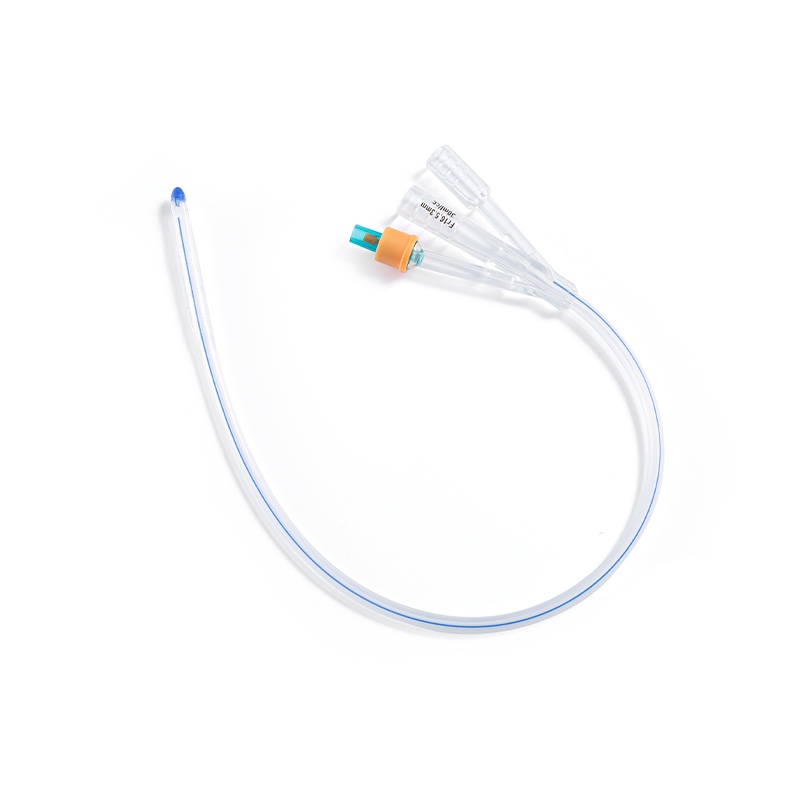
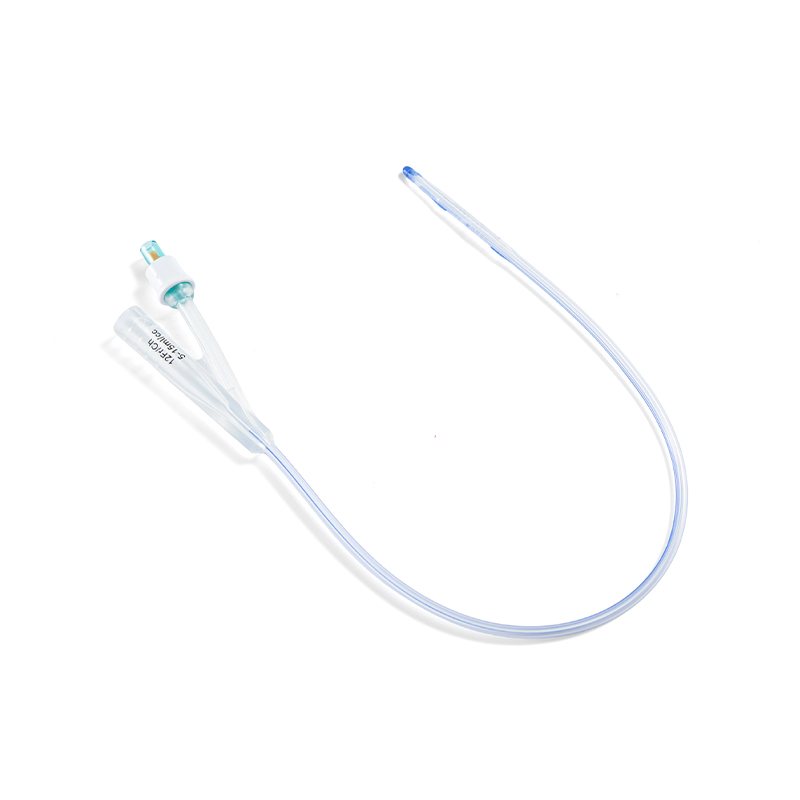
These are inserted through the urethra into the bladder and held in place by a small water-filled balloon. They are suitable for short-term acute care or long-term management in patients with severe mobility issues. However, long-term use increases the risk of bacteriuria by 3-7% per day.
Used for temporary drainage, these are inserted and removed immediately after the bladder empties. This method significantly reduces infection risk compared to indwelling catheters because there is no foreign body remaining in the urinary tract. It is often preferred for patients with neurogenic bladders who have sufficient hand dexterity.
Surgically inserted through the abdomen directly into the bladder, bypassing the urethra. This option is ideal for patients with urethral damage or those requiring long-term catheterization, as it offers greater comfort and easier hygiene management.
Maintaining a closed drainage system and practicing meticulous hygiene are the pillars of catheter care. Deviations from sterile or clean techniques can introduce pathogens directly into the bladder.
CAUTIs are the most common healthcare-associated infection. Prevention requires a systematic approach involving both healthcare providers and caregivers.
| Risk Factor | Impact | Mitigation Strategy |
|---|---|---|
| Prolonged Use | High risk of biofilm formation | Remove catheter as soon as medically unnecessary |
| Broken Seal | Direct bacterial entry | Maintain closed drainage system; do not disconnect unnecessarily |
| Poor Hygiene | Perineal contamination | Daily cleaning with soap/water; wipe front to back |
Research indicates that silver-alloy coated catheters may delay the onset of bacteriuria in short-term use, but they are not a substitute for aseptic technique. The most effective prevention remains the timely removal of the device.
Even with optimal care, issues can arise. Recognizing these early prevents emergency situations.
If urine stops flowing or leaks around the catheter, it may be blocked by sediment or kinks. Check the tubing for kinks first. If the bag is empty despite fluid intake, do not irrigate the catheter yourself unless trained. Contact a healthcare provider immediately, as this can lead to bladder distension and kidney damage.
Cloudy or foul-smelling urine alone is not always indicative of infection due to bacterial colonization. However, seek immediate medical attention if you experience:
Managing a urinary catheter requires diligence, hygiene, and awareness. While the device provides essential relief for urinary retention, it demands respect for the risks involved, particularly infection. The key to safe catheter use lies in maintaining a closed system, ensuring adequate hydration, and removing the catheter at the earliest possible opportunity. By adhering to these evidence-based practices, patients and caregivers can significantly reduce complications and improve overall health outcomes.




Product Categories
Contact Us

+86-571-87687066
+86-18106505367

Workshop 1, 1st Floor(Zone B), 3rd Floor; Office Building 3rd&4th Floors, No. 550 Yinhai Street, Baiyang Sub-district, Qiantang District, Hangzhou City, Zhejiang Province, P.R.China
Ready to Begin?
Get in Touch

Now!

sungood

 English
 Español
